You’ve spent months nurturing your garden beds and perfecting your lawn, but something’s missing: the cheerful nighttime chorus of frogs that brings your outdoor space to life. If you want to attract frogs to garden spaces naturally, you’re not just adding charming wildlife—you’re inviting in nature’s most effective pest control team.
Frogs are like the unsung heroes of a thriving backyard ecosystem. They devour mosquitoes, slugs, and other garden pests while requiring very little from you in return. Plus, their presence signals that your yard is healthy, balanced, and welcoming to beneficial wildlife. The secret to drawing them in isn’t complicated—it’s about recreating the damp, sheltered environments they naturally seek.
Whether you’re dreaming of a tranquil frog pond or simply want to make your garden more wildlife-friendly, these practical tips will transform your yard into a frog haven. Let’s dive into the easiest ways to roll out the welcome mat for these delightful amphibians.
Attract Frogs to Garden with a Natural Water Source
Water is the cornerstone of any frog-friendly garden. Frogs need moisture not just for drinking, but for breeding and keeping their permeable skin hydrated. Without a reliable water source, even the most lush garden won’t attract these amphibians.
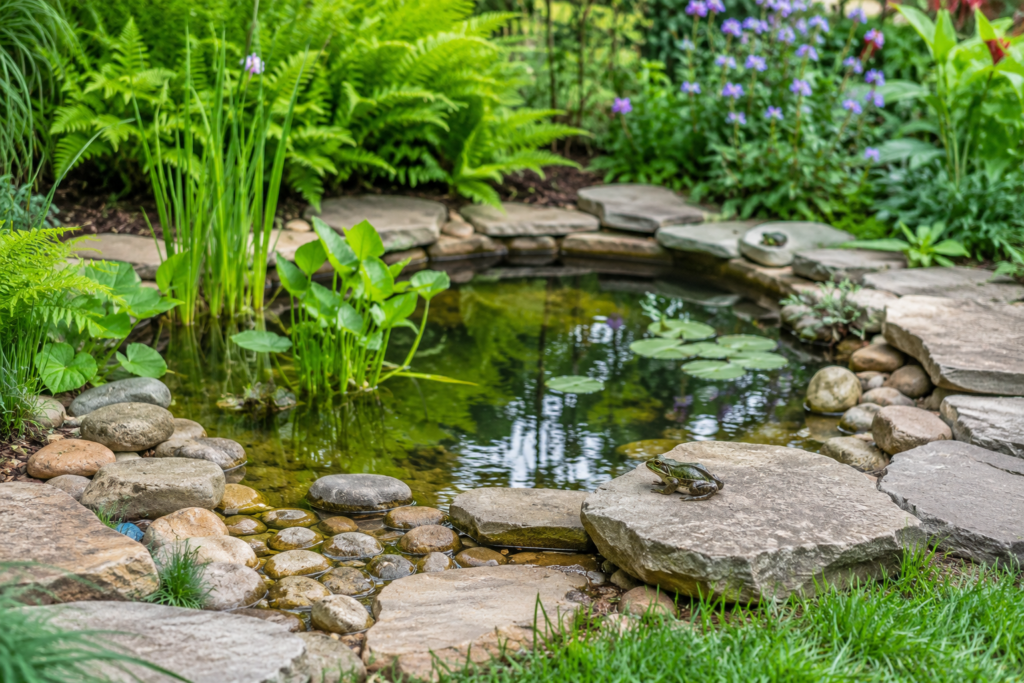
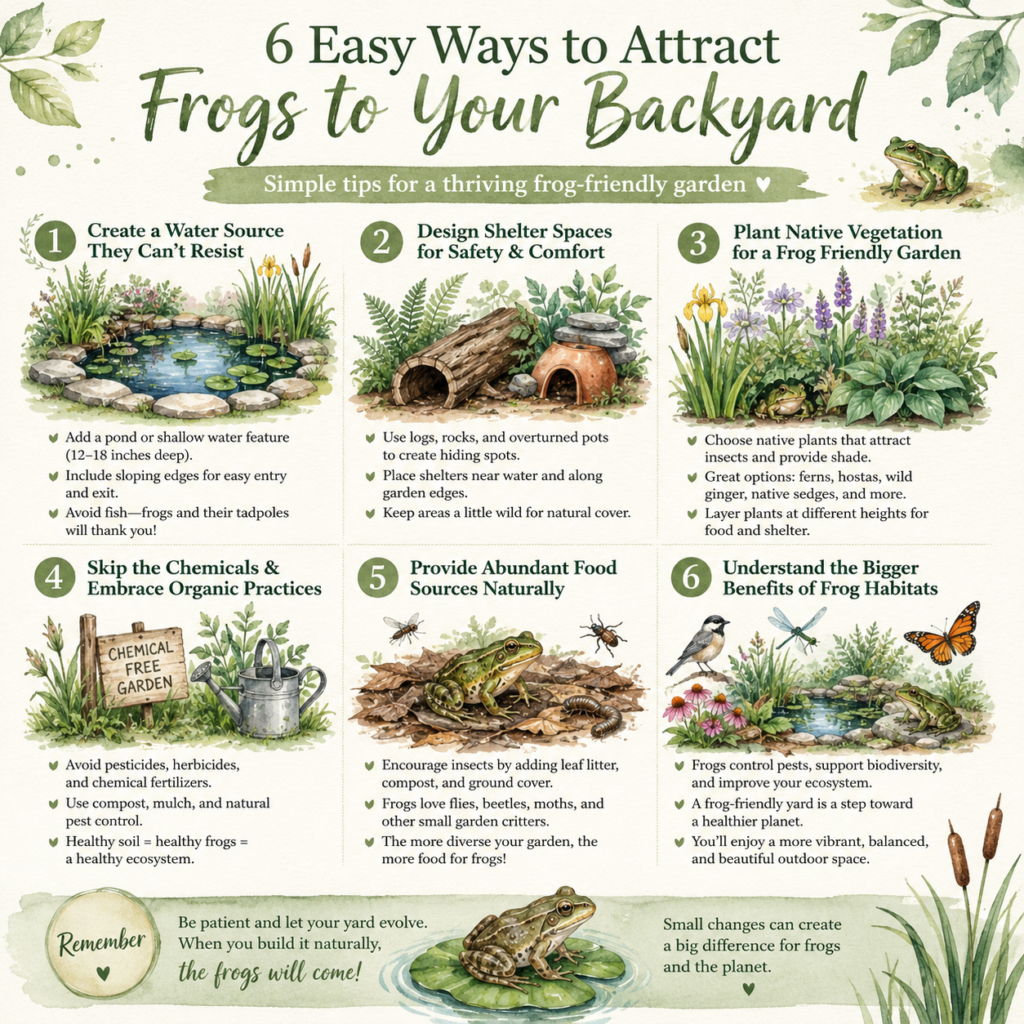
The good news? You don’t need an elaborate setup to build frog pond features that work. A simple shallow container, a repurposed kiddie pool, or a DIY pond liner nestled into the ground can all serve as perfect frog habitats. Aim for a water feature that’s at least 12 to 18 inches deep in some areas, with gently sloping edges that allow frogs to enter and exit easily.
Avoid adding fish to your frog pond if possible. While goldfish might seem like charming pond companions, they often eat frog eggs and tadpoles, disrupting the breeding cycle. If you’re concerned about mosquitoes, maintaining proper pond care practices such as adding moving water or introducing mosquito dunks will keep larvae at bay without harming frogs.
Consider positioning your water source in a partially shaded spot. Direct sunlight all day can cause water to evaporate quickly and overheat, making it less hospitable. A mix of sun and shade creates the ideal temperature balance frogs crave.
Design Shelter Spaces for Safety and Comfort
Once frogs find water, their next priority is finding safe places to hide from predators and escape the heat. Creating cozy shelter options throughout your garden makes your yard irresistible to these cautious creatures.
Start by letting parts of your garden grow a little wild. Dense groundcover, tall grasses, and low-growing shrubs provide excellent cover. Native ferns, hostas, and wild ginger create shaded microhabitats where frogs can rest during the day when they’re most vulnerable.
Add physical structures too. Overturned terracotta pots with a small entrance hole, stacked flat rocks, or a small log pile become instant frog shelters. These DIY frog habitat elements mimic the natural crevices and hideaways frogs seek in the wild. Position these shelters near your water source and along garden edges where frogs travel.
If you’re feeling crafty, consider building a rock wall or creating a small raised bed with stones. The gaps between rocks offer perfect hiding spots and help retain moisture—a bonus for creatures that breathe partly through their skin.
Plant Native Vegetation for a Frog Friendly Garden
The plants you choose play a huge role in whether frogs will call your garden home. Native plants support the insects frogs eat while providing the humid, sheltered conditions they need to thrive.
Focus on varieties that attract beneficial insects such as flies, beetles, and moths—all favorite frog foods. Native plants for wildlife landscaping also require less maintenance and water than exotic species, making them both eco-friendly and frog-approved.
Around your pond or water feature, choose moisture-loving plants such as cardinal flower, marsh marigold, or native sedges. These create the lush, damp edges frogs gravitate toward. In drier garden areas, native wildflowers and grasses still contribute by supporting the insect populations that keep frogs well-fed.
Avoid heavily manicured lawns and opt instead for diverse plantings at varying heights. Layered vegetation—from groundcovers to mid-height perennials to taller shrubs—creates the complex habitat structure frogs need for hunting, hiding, and moving safely through your yard.
Skip the Chemicals and Embrace Organic Practices
Frogs are incredibly sensitive to toxins because their skin absorbs substances directly from their environment. Pesticides, herbicides, and chemical fertilizers can be deadly to amphibians, even in small amounts.
Switching to organic garden care isn’t just frog-friendly—it’s a healthier choice for your entire yard ecosystem. Use compost and organic mulch to enrich soil naturally. Hand-pull weeds or use mulch layers to suppress them instead of reaching for chemical sprays.
If pests become a problem, try natural solutions such as neem oil, insecticidal soap, or encouraging beneficial predators such as ladybugs and lacewings. Once frogs move in, they’ll become your primary pest control squad, devouring hundreds of insects each night.
Be mindful of runoff too. Chemicals used on neighboring properties or even road salt in winter can wash into your garden. Creating buffer zones with dense plantings helps filter contaminants before they reach your frog habitat.
Provide Abundant Food Sources Naturally
A well-fed frog is a happy frog, and the best way to ensure a steady food supply is by fostering a healthy insect population. This might sound counterintuitive for gardeners used to battling bugs, but a diverse insect community is essential for creating a balanced, frog-friendly ecosystem.
Minimize outdoor lighting near your frog areas. While porch lights attract insects, they also disrupt frogs’ natural hunting patterns and can make them more visible to predators such as raccoons and birds. If you need lighting, use motion sensors or warm-toned bulbs that are less attractive to insects.
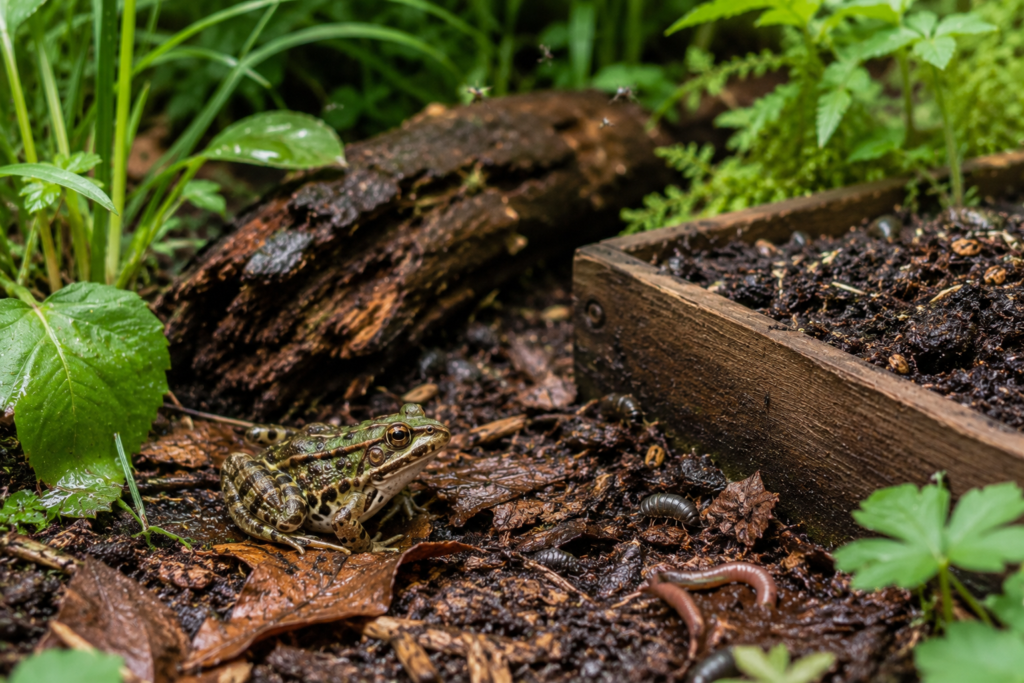
Allow some areas of leaf litter and plant debris to remain in garden beds. These decomposing materials harbor beetles, worms, and other invertebrates that frogs relish. Plus, leaf litter retains moisture and creates additional hiding spots.
Composting also supports the insect populations frogs depend on. Sustainable gardening practices such as composting and reducing waste create thriving habitats that benefit all wildlife, not just frogs.
Maintain Your Habitat Through the Seasons
Creating a frog habitat isn’t a one-and-done project. Regular seasonal maintenance ensures your garden remains welcoming year-round and helps you troubleshoot any issues before they become problems.
In spring, clean out any debris from your pond or water feature, but leave some organic matter since it provides food for tadpoles. This is also prime breeding season, so resist the urge to tidy up too much—those messy edges are exactly where frogs lay their eggs.
Summer requires vigilant water level monitoring. Top off ponds during dry spells and ensure shallow areas don’t completely evaporate. Add shade structures if your water source is getting too warm, as overheated water holds less oxygen and can stress tadpoles.
Fall is the perfect time to add extra shelter. Pile up leaves in corners, stack logs, or create brush piles where frogs can burrow for winter hibernation. Don’t be too quick to do your autumn cleanup—those “messy” spots are winter survival zones.
In winter, avoid disturbing hibernating frogs. If your pond freezes, leave it alone rather than breaking the ice, which can shock hibernating amphibians below. For above-ground water features, consider adding a pond heater to maintain a small ice-free area.
Understand the Bigger Benefits of Frog Habitats
Beyond the obvious charm of watching frogs hop through your garden, these amphibians deliver serious ecological benefits that make your entire yard healthier and more balanced.
First, there’s the pest control advantage. A single frog can consume thousands of insects in a season, targeting mosquitoes, flies, slugs, and other garden nuisances. This natural pest management reduces your need for interventions and creates a more harmonious growing environment.
Frogs also serve as important environmental indicators, revealing the overall health of your local ecosystem. Their presence confirms that your soil, water, and air quality are good—a reassuring sign for any gardener concerned about creating a safe outdoor space.
Additionally, frog-friendly gardens often attract other beneficial wildlife such as birds, butterflies, and beneficial insects. The diverse, layered habitats that frogs need create welcoming spaces for many creatures, increasing your garden’s biodiversity and resilience.
Troubleshoot Common Frog Habitat Challenges
Even with the best intentions, you might encounter obstacles when trying to attract frogs to your garden. Understanding common issues helps you adjust your approach and create a more successful habitat.
If frogs aren’t showing up despite your efforts, evaluate your water quality first. Chlorinated tap water can deter frogs, so let water sit for 24 to 48 hours before adding it to ponds, or use rainwater when possible. Test for contaminants if you’re near agricultural areas or busy roads.
Predators can also be a problem. Cats, both domestic and feral, are significant threats to frog populations. If neighborhood cats frequent your yard, add more dense groundcover and thorny shrubs where frogs can escape. Motion-activated sprinklers can also discourage unwanted visitors without harming wildlife.
Sometimes the issue is simply location. Frogs need to find your garden, which can take time if you’re in a newly developed area or far from existing frog populations. Be patient—it might take a full season or two for local frogs to discover your inviting habitat.
Start Small and Expand Your Frog Habitat Over Time
You don’t need to transform your entire yard overnight to attract frogs successfully. Starting with one or two key features and expanding gradually often works better than attempting a complete overhaul.
Begin with a small water source and a few shelter options near it. Observe how wildlife responds over several weeks. You might notice other creatures such as dragonflies or birds using the water first—a good sign that you’re on the right track.
As you gain confidence, add more native plantings or create vertical garden elements that increase habitat complexity without taking up much ground space. Vertical gardens with trailing plants can provide shade and shelter around pond edges while maximizing limited yard space.
Document your progress with photos and notes about which features seem most effective. This helps you refine your approach and provides satisfying evidence of how your frog-friendly garden evolves.
Creating a welcoming space for frogs transforms your garden into more than just a pretty landscape—it becomes a thriving ecosystem that works with nature instead of against it. By providing clean water, safe shelter, chemical-free spaces, and abundant food sources, you’re offering everything these beneficial amphibians need to settle in and stay. The reward isn’t just the delightful evening songs or the glimpse of a bright-eyed tree frog on a leaf; it’s knowing your backyard plays a meaningful role in supporting local wildlife and maintaining ecological balance. Start with one simple change today, and soon you’ll discover that attracting frogs to your garden is one of the most rewarding projects you’ll ever undertake.
