20 Laundry Hacks to Make Clothes Last Longer
Your clothes represent a significant investment—both financially and environmentally. The average American discards about 81 pounds of clothing annually, contributing to textile waste that burdens our landfills. But what if you could extend the life of your garments by years simply by changing how you wash them? These laundry hacks go beyond basic cleaning to help you preserve fabric quality, maintain colors, and keep your wardrobe looking fresh while reducing your environmental footprint.
Mastering proper laundry care isn’t just about removing dirt; it’s about implementing sustainable practices that protect your clothes from unnecessary wear and tear. By following these budget-friendly tips, you’ll save money on replacements while contributing to a more sustainable lifestyle.
Sort Clothes Correctly
Proper sorting is the foundation of effective laundry care and can dramatically extend the lifespan of your garments. Most people know to separate lights from darks, but strategic sorting goes much deeper.
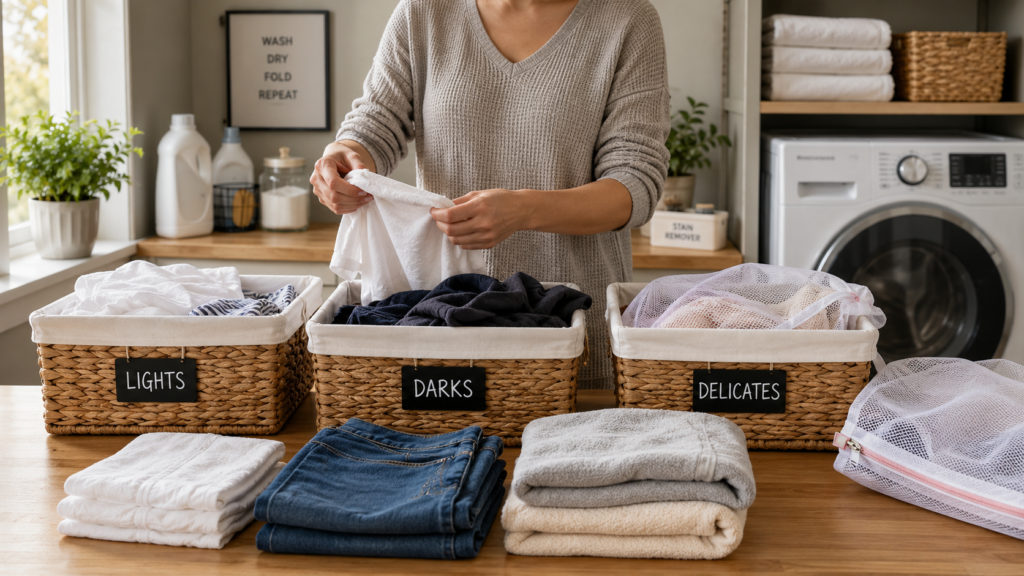
Sort by fabric weight and texture: Heavy items like towels and jeans create excessive friction against delicate fabrics. Wash lightweight blouses, underwear, and delicate items separately from heavier garments to prevent pilling and stretching. This simple step can add years to your clothing’s life.
Create a delicate category: Items with embellishments, lace, or mesh should always be washed separately in mesh laundry bags. These bags protect delicate pieces from snagging on zippers and hooks from other garments.
Turn items inside out: Before sorting, flip jeans, dark-colored clothes, printed t-shirts, and embellished items inside out. This protects the outer surface from friction and fading during the wash cycle.
Don’t overload machines: Fill your washing machine only three-quarters full. Overloading prevents proper cleaning and increases friction between garments, accelerating wear. Clothes need room to move freely through the water and detergent.
Read Care Labels
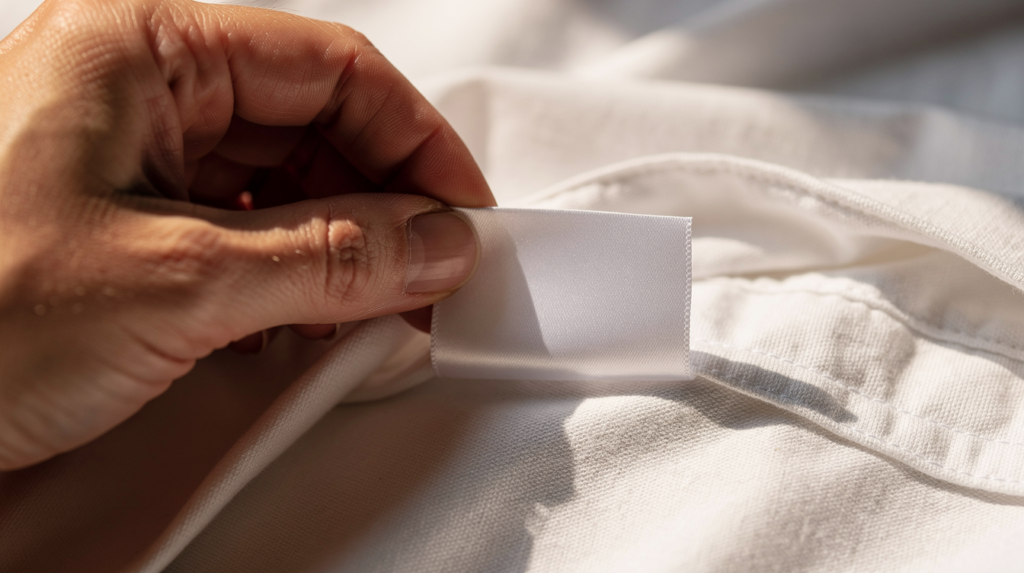
Care labels contain valuable information that can prevent costly laundry mistakes, yet they’re frequently ignored. Understanding these DIY carpet cleaner solution symbols and instructions is essential for maintaining garment quality.
Decode washing symbols: The wash tub icon indicates machine wash settings, while a hand in the tub means hand-wash only. A circle represents dry cleaning, and the triangle relates to bleaching instructions. Familiarize yourself with these universal symbols to avoid damaging your clothes.
Follow temperature recommendations: When labels specify cold water, it’s usually because hot water will cause shrinkage or damage to the fabric structure. Ignoring these guidelines can permanently alter the fit and appearance of your garments.
Respect drying instructions: The square symbol addresses drying methods. A circle inside the square means tumble dry is acceptable, while an X through the dryer symbol means air dry only. Following these instructions prevents shrinkage and fabric degradation.
Keep labels intact: Resist the urge to cut out itchy labels completely. Instead, trim them carefully or look for brands with printed labels. The information on these tags remains valuable throughout the garment’s lifetime.
For comprehensive guidance on textile maintenance, the USDA’s National Agricultural Library offers excellent resources that cover various fabric types and care methods.
Choose Water Temperature
Selecting the right water temperature is crucial for both cleaning effectiveness and garment preservation. The common assumption that hot water is always better for cleaning is actually a myth that costs money and damages clothes.
Embrace cold water washing: Cold water (60-80°F) is sufficient for most laundry loads and offers multiple benefits. It prevents colors from bleeding, reduces shrinkage, minimizes energy consumption, and is gentler on fabric fibers. Modern detergents are specifically formulated to work effectively in cold water.
Reserve warm water for specific situations: Use warm water (90°F) for synthetic fabrics that tend to hold oils and for moderately soiled items. Warm water provides a middle ground that’s effective without being harsh.
Use hot water sparingly: Hot water (130°F or higher) should be reserved for heavily soiled items, whites that need brightening, and items that require sanitization like kitchen towels and bedding. Even then, consider whether a warm wash with an extended cycle might suffice.
Rinse in cold water: Regardless of wash temperature, always use cold water for the rinse cycle. This helps set colors, reduces energy costs, and minimizes wrinkles.
Using cold water for most laundry loads is one of the easiest ways to save energy while protecting your clothes. It helps reduce electricity use, prevents fading and shrinking, and is gentler on most fabrics. According to the U.S. Environmental Protection Agency, washing with cold water can reduce your washing machine’s energy consumption by up to 90% per load.
Remove Common Stains
Tackling stains promptly and correctly prevents permanent damage and extends the wearable life of your garments. Skip the harsh chemicals and try these effective, budget-friendly alternatives.
Fresh stains need immediate attention: Blot—never rub—fresh stains with a clean cloth to absorb excess liquid. Rubbing pushes stains deeper into fibers, making removal more difficult.
Create a natural stain paste: Mix baking soda with just enough water to form a paste. Apply this to stains like coffee, wine, or grass, let sit for 15-30 minutes, then wash as usual. Baking soda is mildly abrasive and helps lift stains without damaging fabric.
Use white vinegar for odors and stains: Add half a cup of white vinegar to your rinse cycle to remove odors, soften fabrics naturally, and brighten colors. Vinegar also helps remove deodorant buildup and soap residue that can make clothes look dingy.
Try dish soap for grease: A small drop of gentle dish soap works wonders on oil and grease stains. Apply directly to the stain, gently work it in, let sit for 10 minutes, then launder normally.
Harness sunlight for whitening: For white fabrics with stubborn stains, wash the item and then lay it in direct sunlight while still damp. The sun’s natural bleaching action can remove stains that survived the wash cycle.
Avoid mixing cleaning products: Never combine vinegar with bleach or hydrogen peroxide with vinegar, as these create effective cleaning tips dangerous chemical reactions. Stick to one treatment method at a time.
Prevent Fading
Color fading is one of the primary reasons people retire otherwise wearable clothes. Preserving vibrant colors requires strategic washing practices.
Turn clothes inside out: This simple habit protects the colored side from direct agitation and chemical exposure during washing. It’s especially important for jeans, dark clothes, and printed fabrics.
Add white vinegar to the wash: Include half a cup of distilled white vinegar in the rinse cycle for dark clothes. Vinegar helps seal in color and remove detergent residue that can dull fabric appearance.
Use salt for new colored items: For brand-new colored garments, add half a cup of table salt to the first wash. Salt helps set dyes and prevent initial color bleeding.
Choose color-safe detergents: Select detergents specifically formulated for colors, which contain ingredients that trap loose dyes in the wash water rather than allowing them to redeposit on fabrics.
Reduce washing frequency: Not every garment needs washing after a single wear. Jeans, sweaters, and jackets can often be worn multiple times before requiring a wash. This reduces color loss from repeated exposure to water and detergent.
Minimize sun exposure during drying: While sunlight naturally bleaches whites, it also fades colors. Dry colored garments in the shade or indoors to preserve their vibrancy.
Dry Clothes Properly
How you dry your clothes significantly impacts their longevity. Heat is one of the primary culprits behind fabric degradation, shrinkage, and elastic breakdown.
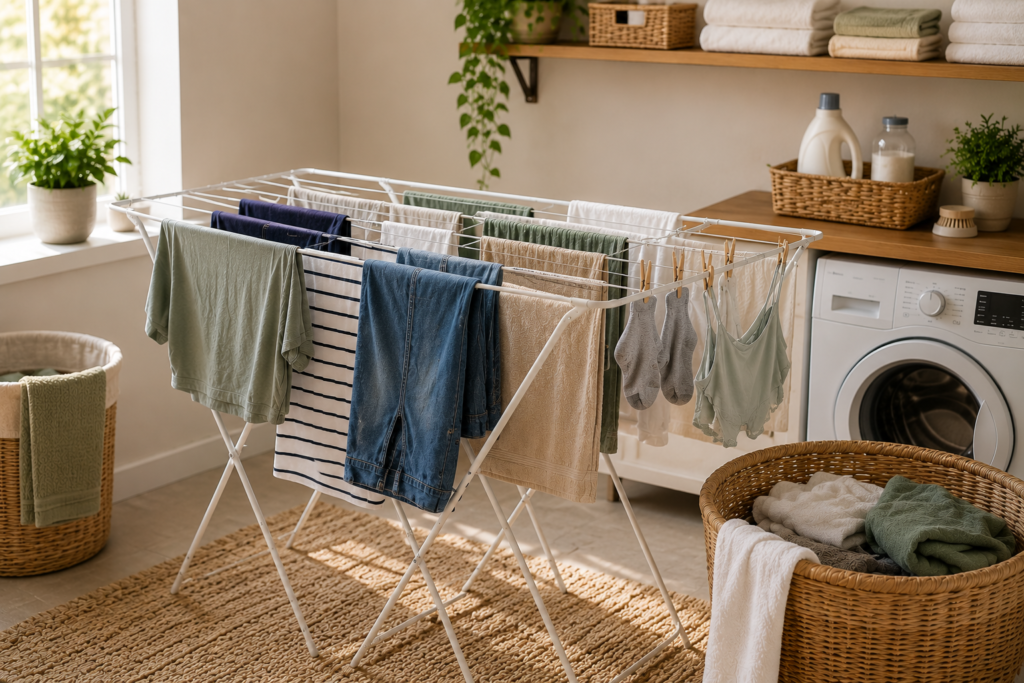
Air dry when possible: Hang or lay flat items to air dry whenever you can. This eliminates heat damage, reduces energy consumption, and is gentlest on fabrics. Invest in a drying rack or use shower rods and hangers for indoor drying.
Use low heat settings: When machine drying is necessary, always use the lowest heat setting that will get the job done. High heat breaks down elastic fibers, causes shrinkage, and weakens fabric structure.
Remove clothes while slightly damp: Take items out of the dryer when they’re still slightly damp to prevent over-drying, which causes unnecessary wear. Hang them to finish air drying—this also reduces wrinkles.
Invest in wool dryer balls: These reusable balls separate clothes in the dryer, improving air circulation and reducing drying time by 25-40%. Unlike dryer sheets, they contain no chemicals and last for years. They work by absorbing moisture and creating space between garments, allowing hot air to circulate more efficiently.
Shake out clothes before drying: Give each item a good shake before placing it in the dryer to prevent wrinkles and ensure even drying.
Never over-dry: Over-drying is one of the most damaging practices. It creates excessive heat exposure, sets in wrinkles, and causes fabric fibers to become brittle and break down prematurely.
Reshape items while damp: For sweaters and knits, reshape them to their original dimensions while damp and lay flat to dry. This prevents stretching and maintains proper fit.
Organize Laundry Supplies
An organized laundry space improves efficiency, prevents product waste, and makes it easier to implement clothes-preserving practices consistently.
Use clear containers: Transfer detergents and additives into clear, airtight containers with labels. This helps you quickly identify products and prevents moisture from clumping powdered detergents.
Create a stain treatment station: Keep a small caddy with your go-to stain fighters—baking soda, white vinegar, dish soap, and a small brush—in an easily accessible spot. Having everything in one place encourages immediate stain treatment.
Install a sorting system: Use a three-bin sorter labeled “lights,” “darks,” and “delicates” to make pre-sorting automatic. Family members can sort as they go, making laundry day more efficient.
Designate a delicates bag: Hang mesh laundry bags near your hamper so easy and effective cleaning you can immediately place delicate items in them. This prevents last-minute sorting and ensures delicates always get proper protection.
Keep care label reference handy: Print or save a care symbol guide where you do laundry. This makes it easy to quickly check what symbols mean without searching online.
Store products properly: Keep laundry products in a cool, dry place away from direct sunlight. Proper storage maintains product effectiveness and prevents degradation.
Maintain a clothing repair kit: Keep basic sewing supplies, buttons, and fabric tape in your laundry area. Addressing small repairs immediately prevents minor issues from becoming major damage.
Common Laundry Mistakes
Avoiding these frequent errors can dramatically extend the life of your wardrobe and improve washing results.
Using too much detergent: More detergent doesn’t mean cleaner clothes. Excess soap leaves residue that attracts dirt, makes fabrics stiff, and can cause skin irritation. Use the recommended amount or even slightly less—modern detergents are concentrated and effective in small quantities.
Leaving wet clothes in the washer: Clothes left sitting in the washing machine develop musty odors and mildew. Transfer items to the dryer or drying rack immediately after the cycle completes.
Overloading the dryer: Just like the washer, an overloaded dryer prevents proper air circulation, increases drying time, and creates excessive wrinkles. This wastes energy and damages clothes through prolonged heat exposure.
Washing everything after one wear: Unless an item is visibly soiled or odorous, it probably doesn’t need washing. Jeans can be worn 5-6 times, sweaters 2-3 times, and pajamas several times before requiring a wash. This reduces unnecessary wear from friction and chemical exposure.
Ignoring zippers and fasteners: Always zip up zippers and fasten hooks before washing. Open zippers act like saws, creating snags and holes in other garments. Similarly, hook-and-loop fasteners (Velcro) should be closed to prevent them from catching on other fabrics.
Using fabric softener on everything: Fabric softener coats fibers, which reduces absorbency in towels and workout clothes. It also breaks down elastic in activewear and underwear. Skip it entirely or use sparingly on bedding and cotton clothing only.
Washing in hot water by default: As mentioned earlier, hot water is rarely necessary and causes unnecessary shrinkage, fading, and energy waste. Make cold water your default choice.
Not cleaning the washing machine: A dirty washing machine transfers residue, odors, and bacteria to your clothes. Run a cleaning cycle monthly with vinegar or a washing machine cleaner to maintain machine performance and clothes freshness.
Frequently Asked Questions
What are the best natural alternatives to chemical stain removers?
The most effective natural stain removers include baking soda paste for general stains, white vinegar for odors and brightening, and gentle dish soap for grease and oil. For protein stains like blood, use cold water immediately and make a paste with salt. Hydrogen peroxide works well on blood stains but should be tested on an inconspicuous area first as it can bleach colors. Lemon juice combined with sunlight naturally bleaches stains from white fabrics. The key is treating stains promptly before they set—fresh stains respond much better to natural treatments than old, set-in stains.
How can I prevent my dark clothes from fading in the wash?
Prevent fading by always turning dark clothes inside out before washing, which protects the colored surface from direct agitation. Wash in cold water exclusively, as heat opens fabric fibers and releases dye. Add half a cup of white vinegar to the rinse cycle to seal in color and remove detergent residue. Use detergents specifically formulated for dark or colored clothes, and reduce washing frequency—most dark items can be worn multiple times between washes. Finally, air dry dark clothes away from direct sunlight, as UV rays fade colors over time.
Is it better to wash clothes in hot or cold water?
Cold water is better for most laundry loads. It prevents shrinkage, reduces color fading, saves significant energy (up to 90% per load), and is gentler on fabric fibers, extending garment life. Modern detergents are formulated to work effectively in cold water, so cleaning power isn’t compromised. Reserve hot water for heavily soiled items, sanitizing kitchen towels and bedding, or treating certain stains. For most everyday laundry, cold water provides excellent cleaning while protecting your clothes and reducing your environmental impact.
How do dryer balls work and do they really save energy?
Wool dryer balls work by physically separating clothes as they tumble, which improves air circulation and helps moisture escape more efficiently. They also absorb some moisture from wet clothes. This combination reduces drying time by 25-40%, which translates to real energy savings. Additionally, the balls soften fabrics naturally through gentle pounding action, eliminating the need for chemical-laden dryer sheets. A set of 3-6 wool dryer balls lasts for thousands of loads, making them highly cost-effective. Unlike dryer sheets, they contain no chemicals, produce no waste, and can be composted at end of life.
What’s the easiest way to organize my small laundry space?
Maximize small laundry spaces with vertical storage solutions like wall-mounted shelves or over-the-door organizers. Use a slim rolling cart that fits between appliances to store frequently used supplies. Install a fold-down drying rack or retractable clothesline for air drying without permanent space commitment. Utilize the space above your washer and dryer with a shelf or cabinet for storage. Keep only essential products on hand to reduce clutter—you really only need detergent, stain treatment supplies, and dryer balls. Use a collapsible hamper or wall-mounted sorting bags to save floor space. Finally, add hooks on walls or the back of the door for hanging items that need air drying.
Conclusion
Implementing these laundry hacks transforms an everyday chore into an opportunity for sustainable living and smart budgeting. By sorting correctly, respecting care labels, choosing appropriate water temperatures, treating stains promptly with natural alternatives, preventing fading, drying properly, organizing efficiently, and avoiding common mistakes, you’ll significantly extend the life of your garments.
These practices benefit your wallet by reducing replacement costs, benefit the environment by decreasing textile waste and energy consumption, and benefit your wardrobe by keeping clothes looking newer longer. Start with a few hacks that address your biggest laundry challenges, then gradually incorporate more techniques as they become habits.
Remember, the most sustainable garment is the one you already own. Every additional month or year you extend the life of your clothing represents a victory for your budget and the planet. With these strategies, you’re not just doing laundry—you’re practicing environmental stewardship and smart resource management, one load at a time.
