Renting doesn’t mean you have to live in a bland, impersonal space that drains your wallet. Whether you’re in a studio apartment or a multi-bedroom rental, there are countless ways to make your space more functional, comfortable, and uniquely yours—all without risking your security deposit. The key is knowing which improvements are reversible, budget-friendly, and lease-compliant.
This comprehensive guide covers practical life hacks for renters that address everything from maximizing cramped quarters to reducing utility bills. You’ll discover how to personalize your space, solve common rental frustrations, and even understand your rights when it comes to making improvements. These strategies are designed specifically for renters who want to live better without permanent modifications or major expenses.
Maximizing Space Without Major Renos
Small spaces are a common reality for renters, but limited square footage doesn’t have to mean limited functionality. The secret to maximizing space lies in strategic organization and vertical thinking.
Start by embracing vertical storage solutions. Floor-to-ceiling shelving units that don’t require wall mounting can dramatically increase your storage capacity. Look for tension rod systems that wedge between floor and ceiling, providing sturdy support without leaving marks. Over-the-door organizers aren’t just for shoes—they work brilliantly for cleaning supplies, accessories, toiletries, and pantry items.
Command strips and removable adhesive hooks are game-changers for renters. These damage-free fasteners can support surprising weight when used correctly, allowing you to hang shelves, mirrors, and organizational systems without drilling. Create a charging station by mounting a small shelf near outlets, keeping devices and cords organized and off limited counter space.
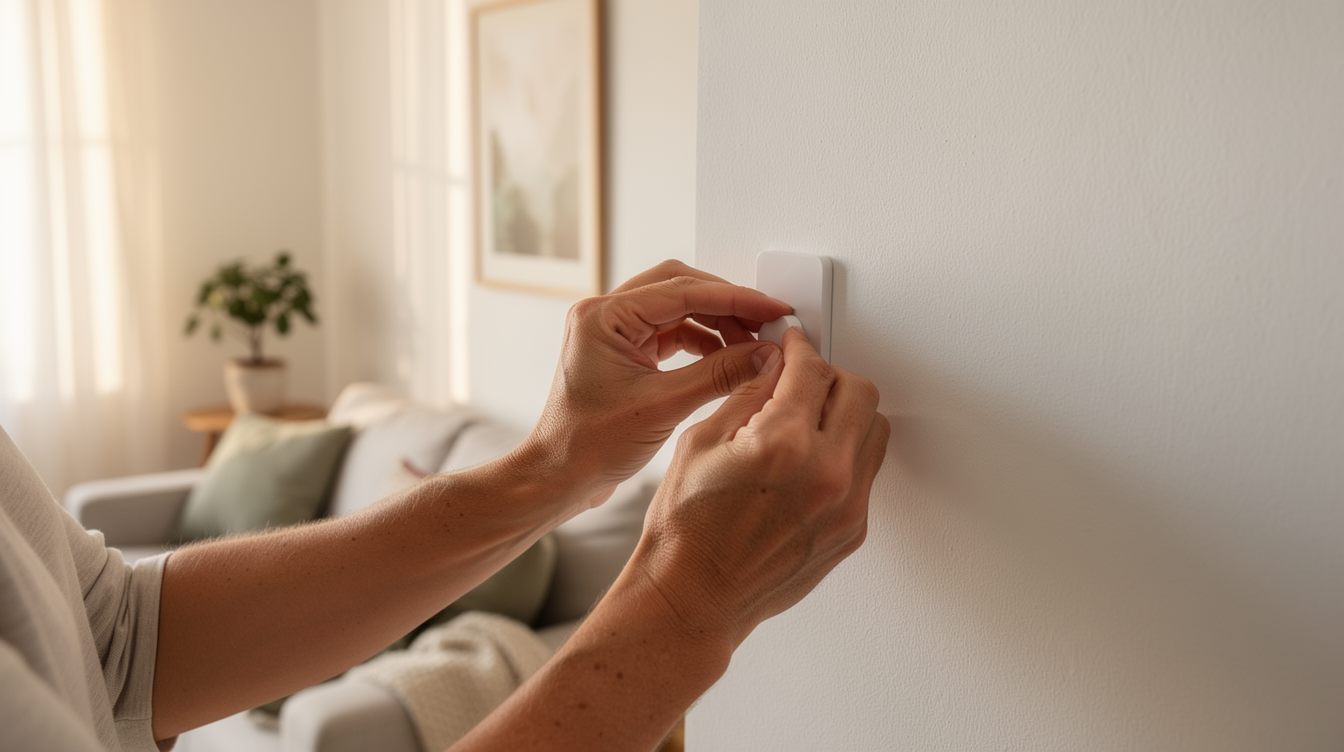
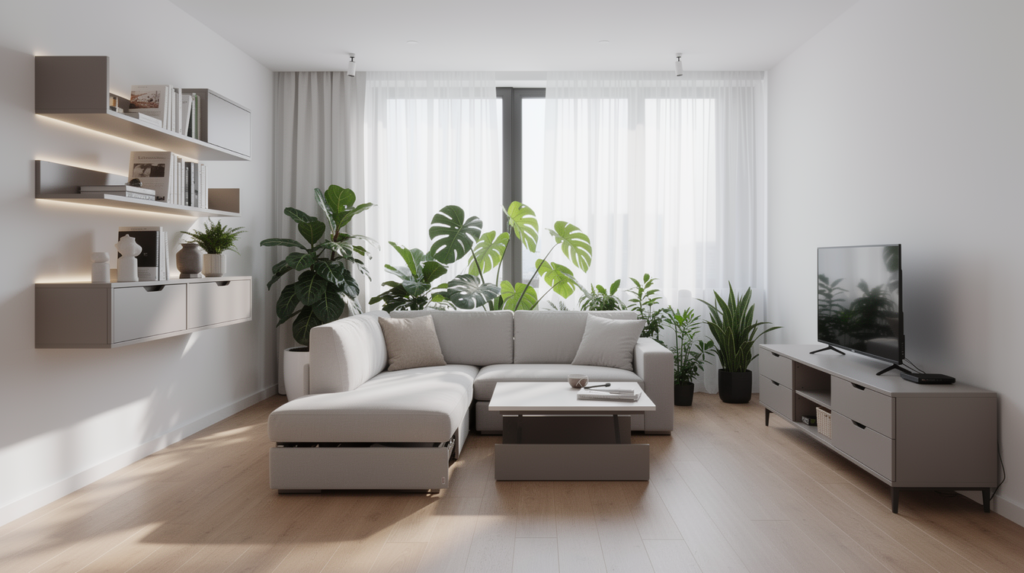
Furniture placement makes an enormous difference in how spacious a room feels. Float furniture away from walls to create distinct zones in studio apartments. Use multi-functional pieces like ottomans with hidden storage, sofa beds, or nesting tables that expand when needed. Transparent furniture—acrylic chairs or glass tables—maintains functionality while creating visual openness.
Under-bed storage is rental gold. Invest in bed risers to create additional clearance, then use rolling storage bins for seasonal clothing, extra linens, or rarely-used items. If your bed frame doesn’t accommodate storage, consider a platform bed with built-in drawers that doesn’t require assembly into the wall.
Decluttering is the foundation of space maximization. Adopt the “one in, one out” rule for new purchases, and regularly assess what you actually use. Digitize documents and photos to eliminate physical clutter. The less you own, the more spacious your rental will feel, and moving to your next place becomes significantly easier when incorporating rental decor hacks no drilling simple storage solutions.
Damage-Free Decorating & Personalization
Your rental should reflect your personality, not feel like a temporary holding cell. Modern renter-friendly products make personalization easier and safer than ever.
Peel-and-stick wallpaper has revolutionized rental decorating. Available in countless patterns and textures, this removable wallpaper applies easily and peels off cleanly without damaging paint or leaving residue. Use it on an accent wall, inside bookcase backing, or even on furniture to create custom pieces. Test a small section first to ensure compatibility with your wall surface.
Removable wall decals and large-scale art prints hung with damage-free adhesive strips let you create gallery walls without hammer and nails. Washi tape offers another creative alternative—use it to create geometric wall designs, frame artwork, or add color accents to plain walls. It removes cleanly and comes in endless colors and patterns.
Lighting transforms ambiance without permanent installation. Plug-in pendant lights with decorative cord covers can mimic hardwired fixtures. LED strip lights with adhesive backing add ambiance behind furniture, under cabinets, or along crown molding. Battery-operated picture lights highlight artwork, while smart bulbs in existing fixtures let you adjust color temperature and brightness to suit your mood.
Textiles are your secret weapon for personality without damage. Swap curtains for something that matches your style—tension rods require no hardware. Layer rugs to define spaces and add warmth, hiding unfortunate rental carpet. Throw pillows, blankets, and tapestries inject color and texture. Consider a decorative room divider or folding screen to create privacy or disguise unsightly areas.
Temporary backsplashes using peel-and-stick tiles can modernize a dated kitchen. Furniture contact paper updates tired cabinets, countertops, or appliances. These solutions are completely reversible, letting you experiment with bold choices you might avoid in a permanent home while creating easy renter home decor tips personalized spaces that truly feel like yours.
Smart Solutions for Common Renter Headaches
Rentals often come with frustrating quirks that landlords are slow to address. Fortunately, many common issues have simple, reversible solutions you can implement yourself.
Drafty windows and doors waste energy and compromise comfort. Weatherstripping tape is inexpensive, easy to apply, and removes cleanly when you move out. Apply it around door frames and window sashes to seal gaps. For windows, plastic insulation kits create an additional barrier against cold—the film shrinks tight with a hair dryer and peels off in spring. Draft stoppers along door bottoms prevent cold air infiltration and are completely portable.
Noisy neighbors are a rental reality, but strategic soundproofing can help. Heavy curtains or acoustic panels hung with removable hooks absorb sound. Bookshelves filled with books against shared walls provide sound dampening mass. Area rugs with thick padding reduce noise transmission to downstairs neighbors. White noise machines or fans mask disruptive sounds, creating a more peaceful environment.
Weak water pressure often stems from clogged aerators. Unscrew the aerator from your faucet or showerhead and soak it in vinegar to dissolve mineral buildup. If that doesn’t help, an inexpensive replacement showerhead often delivers better pressure and can be swapped back to the original before move-out. Keep the original fixtures to reinstall later.
Pest prevention beats pest control. Seal gaps around pipes under sinks using removable foam strips. Keep food in airtight containers and avoid leaving dishes overnight. Place bay leaves in cabinets and pantries as a natural deterrent. For fruit flies, a vinegar trap (apple cider vinegar with dish soap in a small bowl) works wonders. Address problems early before they require professional intervention.
Sticky drawers or doors often just need lubrication. A bar of soap or candle wax rubbed along drawer slides provides smooth operation. Squeaky hinges respond to a drop of cooking oil in a pinch, though proper lubricant works better and doesn’t risk staining.
These practical fixes improve your quality of life immediately without waiting for maintenance requests or risking the “difficult tenant” label when incorporating beautiful rental decor ideas solutions for everyday problems.
Kitchen & Bathroom Upgrades (Renter-Style)
Kitchens and bathrooms are high-traffic areas where smart organization and minor upgrades yield major quality-of-life improvements.
In the kitchen, drawer organizers prevent utensil chaos and maximize limited space. Expandable organizers adjust to fit various drawer sizes without custom carpentry. Use vertical dividers to store baking sheets, cutting boards, and pot lids on their sides, making them easier to access. Lazy Susans in corner cabinets or deep shelves bring items within reach.
Under-sink areas typically become black holes of cleaning products. Install a tension rod to hang spray bottles by their triggers, freeing up floor space. Stackable drawers or sliding organizers designed for this space maximize vertical capacity. Adhesive hooks inside cabinet doors hold measuring cups, scrub brushes, or dish towels.
If your rental kitchen lacks a backsplash or features a dated one, temporary peel-and-stick tiles offer an easy upgrade. They protect walls from cooking splatter while modernizing the aesthetic. Similarly, contact paper can cover countertops or line shelves for a fresh look and easier cleaning.
Faucet aerators are tiny investments with significant impact. A high-efficiency aerator reduces water consumption without noticeably affecting performance, lowering your water bill. Many also include settings that let you switch between spray and stream patterns for different tasks.
Bathroom improvements focus on storage and functionality. Shower caddies that hang from the showerhead or tension rod keep products organized without drilling. Over-toilet shelving units utilize often-wasted vertical space. Magnetic strips inside medicine cabinet doors hold tweezers, nail clippers, and bobby pins.
Under-sink bathroom storage faces similar challenges as the kitchen. Slim rolling carts fit in narrow spaces, providing accessible storage for toilet paper, toiletries, and cleaning supplies. Adhesive hooks hold hair tools, while small bins corral makeup and skincare products.
Cleanliness in these spaces is crucial. Regular cleaning prevents buildup that could be misconstrued as damage during move-out inspections. Use mildew-resistant shower curtain liners and ventilate bathrooms after showering. In kitchens, promptly address any stains or spills that could become permanent.
For information about housing assistance programs that might help with your rental situation, visit the U.S. Department of Housing and Urban Development (HUD) for comprehensive resources.
Energy & Money-Saving Tricks for Renters
Utility bills can significantly impact your rental budget, but strategic energy management puts money back in your pocket without landlord involvement.
While you probably can’t install a smart thermostat without permission, you can use a programmable outlet timer with space heaters or fans. Set them to turn on shortly before you arrive home rather than running continuously. Close doors to unused rooms to avoid heating or cooling spaces unnecessarily. Window treatments matter—thermal curtains keep warm air in during winter and block heat gain in summer.
Lighting accounts for a surprising portion of electricity usage. Switch to LED bulbs in all fixtures—they use 75% less energy than incandescent bulbs and last years longer. The upfront investment pays for itself quickly in reduced energy bills. When you move, take your LEDs with you and replace them with basic bulbs for the next tenant.
Appliance management makes a difference. Unplug devices when not in use, especially those with standby modes that draw phantom power—phone chargers, coffee makers, and entertainment systems. Use a power strip to easily cut power to multiple devices simultaneously. Only run full loads in dishwashers and washing machines, and choose cold water for laundry when possible.
Refrigerator efficiency impacts your bill significantly. Keep the temperature between 35-38°F for the fridge and 0-5°F for the freezer—colder wastes energy. Ensure door seals are clean and tight. Keep the refrigerator reasonably full, as mass helps maintain temperature, but don’t block air vents.
Ceiling fans are your friends if your rental includes them. Running fans counterclockwise in summer creates a cooling breeze, letting you raise the thermostat a few degrees. In winter, reverse them to clockwise on low speed to push warm air downward.
Understanding your heating and cooling zones helps target efforts effectively. Identify where drafts enter and where you spend most time. Focus improvements on those areas rather than trying to perfectly climate-control every square foot.
For more information about tenant rights and housing resources, visit government programs and guidance.
Essential Renter Maintenance & Move-Out Prep
Proactive maintenance prevents small issues from becoming deposit-threatening damage, while proper documentation protects you during move-out.
Document your apartment’s condition immediately upon move-in with dated photos and videos of every room, including close-ups of existing damage, stains, or wear. Email this documentation to your landlord, creating a timestamped record. This evidence is invaluable if disputes arise about your security deposit.
Perform basic preventative maintenance regularly. Clean or replace HVAC filters monthly if accessible—this simple task improves air quality and system efficiency. Check under sinks periodically for leaks. Test smoke detectors and carbon monoxide detectors monthly. Report any issues to your landlord promptly in writing, keeping copies of all communications.
Before move-out, create a detailed checklist covering every room. Clean thoroughly—consider this an investment in your deposit return. Pay special attention to ovens, refrigerators, windows, blinds, and floors. Patch small nail holes with spackling compound and touch up with paint if you have leftover paint that matches. Remove all personal items, including items stored on balconies or in storage units.
Reinstall any original fixtures you replaced, like showerheads or cabinet hardware. Remove all adhesive hooks and strips carefully according to package directions, cleaning any residue. Take your own dated photos and videos of the cleaned, empty apartment before handing over keys. Do a walk-through with the landlord if possible, addressing any concerns immediately.
Keep receipts for any improvements or repairs you made, especially if your lease allows you to deduct certain expenses. Provide your forwarding address in writing to ensure you receive your deposit refund or itemized deduction list within the legally required timeframe.
Legal & Lease-Friendly Considerations for Improvements
Understanding your lease and tenant rights empowers you to improve your space confidently while maintaining a positive landlord relationship.
Read your lease thoroughly before making any changes. Look for specific clauses about alterations, painting, hanging items, or installing fixtures. Some leases explicitly allow minor modifications, while others require written permission for anything beyond basic living. When in doubt, ask—written permission protects both parties.
Communicate with your landlord about improvements professionally. Frame requests around property value or damage prevention. For example, requesting permission to install a bathroom exhaust fan addresses mildew prevention, benefiting everyone. Offering to restore things to original condition at move-out can ease landlord concerns.
Generally, renters can make temporary, non-invasive changes without permission—furniture arrangement, removable decor, and organization systems typically don’t require approval. Anything involving tools, permanent installation, or modifying property structure usually needs landlord consent.
Tenant rights vary by state and locality, but most jurisdictions require landlords to maintain habitable conditions. If issues affect health or safety—like broken heating, water leaks, or pest infestations—landlords are typically obligated to address them. Document requests and responses, and familiarize yourself with your local tenant rights organization if landlords are unresponsive.
Some jurisdictions allow tenants to make repairs and deduct costs from rent if landlords fail to address serious issues after proper notice. This should be a last resort after researching local laws carefully, as improper execution can jeopardize your tenancy.
Before undertaking any improvement requiring permission, get approval in writing via email or letter. Verbal agreements are difficult to enforce. Keep these records with your lease documents.
Remember that while making your rental feel like home is important, protecting your security deposit and maintaining positive landlord relationships ensures better references for future rentals and less stress when moving.
Frequently Asked Questions
What renter-friendly upgrades can I do without my landlord’s permission?
Most temporary, non-invasive improvements don’t require permission. This includes removable wallpaper, adhesive hooks and strips, furniture arrangement, area rugs, removable decals, plug-in lighting, organization systems, and swappable fixtures (like showerheads) that you can restore to original condition. Always check your lease for specific restrictions, but generally, if it doesn’t create holes larger than small nail holes, permanently alter surfaces, or modify building systems, you’re likely safe to proceed.
How can I make my rental apartment feel more like home without losing my security deposit?
Focus on reversible changes that add personality without damage. Use peel-and-stick products (wallpaper, tiles, hooks), hang artwork with damage-free adhesives, layer textiles like rugs and curtains, and incorporate lighting that plugs in rather than requires hardwiring. Document your apartment’s condition at move-in, maintain it well throughout your tenancy, and thoroughly clean and restore everything to original condition before move-out. Taking these precautions protects your deposit while letting you create a space that feels uniquely yours.
What are the best temporary storage solutions for small rental spaces?
Vertical storage is key—tension rod shelving systems, over-door organizers, and wall-mounted shelving using removable adhesive strips maximize space without floor space. Under-bed storage bins, furniture with hidden storage, and hanging organizers utilize often-wasted space. In closets, use cascading hangers, shelf dividers, and hanging sweater organizers. Kitchen and bathroom spaces benefit from lazy Susans, drawer dividers, and under-sink organizers. The goal is to use every dimension of your space efficiently with solutions you can take to your next rental.
Are there specific items I should buy for a rental apartment to save money on utilities?
Yes—LED bulbs immediately reduce electricity costs and last for years. Weatherstripping for drafty windows and doors prevents energy waste from heating and cooling. A low-flow showerhead reduces water usage without sacrificing comfort. Power strips with switches let you eliminate phantom energy drain from devices on standby. Thermal curtains help regulate temperature. A faucet aerator reduces water consumption. These relatively inexpensive items pay for themselves through utility savings and are portable to future rentals.
How do I deal with minor issues in my rental like drafts or low water pressure without calling maintenance?
Many minor issues have simple DIY solutions. For drafts, apply weatherstripping around doors and windows. For low water pressure, clean aerators by unscrewing them and soaking in vinegar, or replace the showerhead. Sticky drawers respond to soap or wax on the slides. For minor clogs, use a plunger or drain snake before chemical solutions. However, if problems persist or worsen, contact maintenance—attempting fixes beyond your skill level could cause damage you’re liable for. Always notify your landlord of persistent issues in writing, creating a record that protects you from being held responsible for deterioration.
Conclusion
Renting doesn’t mean sacrificing comfort, style, or functionality. With these practical life hacks for renters, you can transform any rental into a personalized, efficient space that meets your needs without jeopardizing your security deposit. From maximizing storage in tight quarters to reducing utility bills and understanding your rights as a tenant, these strategies empower you to take control of your living environment.
The key is thinking creatively about reversible solutions, prioritizing damage-free methods, and maintaining open communication with your landlord when necessary. Whether you’re in your first apartment or your tenth rental, these approaches help you live better while protecting your financial interests. Remember to document everything, maintain your space diligently, and take your clever solutions with you to each new home—the skills and items that make rental living easier are investments that continue paying dividends throughout your renting journey.
