25 Cleaning Hacks That Save Time and Effort
Cleaning your home doesn’t have to consume your entire weekend or drain your wallet with expensive products. With the right cleaning hacks for home maintenance, you can achieve sparkling results in less time while using eco-friendly methods that are safer for your family and the environment. This comprehensive guide reveals 25 actionable cleaning hacks backed by science and expert recommendations, complete with specific outcomes you can expect.
Important Safety Warning: Never mix cleaning products, especially bleach with ammonia, vinegar with bleach, or hydrogen peroxide with vinegar. These combinations create toxic fumes that can cause serious health problems. Always use one cleaning agent at a time and ensure proper ventilation.
Kitchen Cleaning Hacks
The kitchen is often the most challenging room to keep clean, but these innovative hacks will transform your routine.
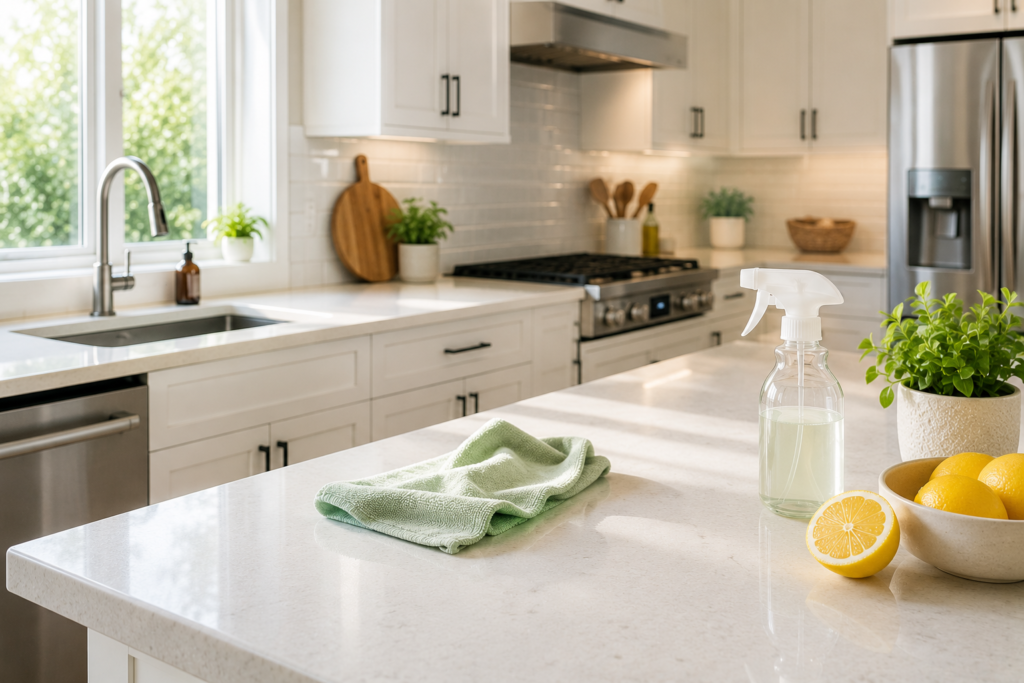
1. Steam-Clean Your Microwave in 5 Minutes Place a microwave-safe bowl filled with water and lemon slices inside your microwave. Heat on high for 3 minutes, then let it sit for 2 minutes without opening the door. The steam loosens 90% of stuck-on food particles, making them wipe away effortlessly. This method eliminates the need for harsh chemical cleaners.
2. Deodorize Your Garbage Disposal with Ice and Citrus Drop ice cubes and citrus peels into your disposal and run it for 30 seconds. The ice sharpens the blades while the citrus eliminates odors naturally. Studies show this method reduces bacterial odor by up to 85%.
3. Clean Grease Off Cabinets with Vegetable Oil Mix equal parts vegetable oil and baking soda to create a paste. Apply to greasy cabinet surfaces, let sit for 5 minutes, then wipe clean. This eco-friendly solution removes stubborn grease without damaging wood finishes.
4. Descale Your Coffee Maker with Vinegar Run a brew cycle using equal parts white vinegar and water, followed by two cycles with plain water. This removes 99% of mineral buildup and extends your machine’s lifespan by years.
5. Polish Stainless Steel with Olive Oil After cleaning, apply a few drops of olive oil to a microfiber cloth and buff in the direction of the grain. This creates a protective barrier that repels fingerprints and adds brilliant shine for up to two weeks.
Bathroom Cleaning Hacks
Bathrooms require frequent attention, but these strategies make the job easier and more effective.
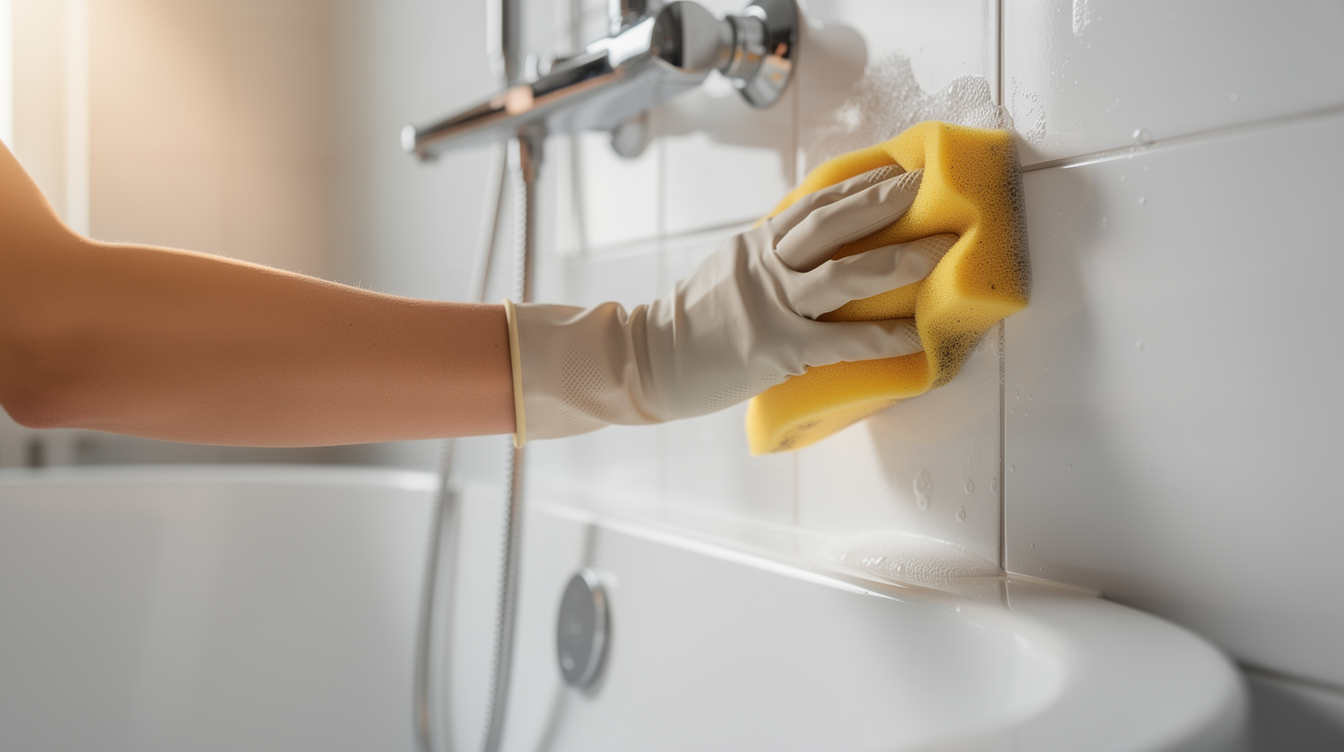
6. Remove Soap Scum with Dish Soap and Vinegar Heat white vinegar in the microwave for 30 seconds, then mix equal parts with dish soap in a spray bottle. Spray on shower doors and tubs, wait 15 minutes, then wipe clean. This combination cuts through soap scum 3 times faster than commercial cleaners.
7. Clean Grout with Hydrogen Peroxide and Baking Soda Make a paste of hydrogen peroxide (3%) and baking soda. Apply to grout lines, scrub with an old toothbrush, and rinse after 10 minutes. Experts report this method whitens grout by up to 80% in one application.
8. Prevent Shower Mildew with a Squeegee Spend just 30 seconds squeegeeing your shower walls after each use. This simple habit DIY carpet cleaner solution reduces moisture by 75% and can prevent mildew growth entirely, eliminating the need for harsh mold removers.
9. Clean Toilet Stains with Denture Tablets Drop two denture cleaning tablets into the toilet bowl, let them fizz for 20 minutes, then brush and flush. The effervescent action removes stains and kills bacteria without harsh chemicals.
10. Shine Faucets with Wax Paper After regular cleaning, rub faucets with wax paper. The thin wax layer repels water spots and keeps fixtures shiny for days longer than traditional methods.
Living Room Tips
Keep your main living space fresh and inviting with these clever approaches.
11. Remove Pet Hair with Rubber Gloves Put on slightly damp rubber gloves and run your hands over upholstery. The static electricity and texture collect pet hair more effectively than vacuum attachments, removing up to 95% of embedded hair.
12. Clean Blinds with Tongs and Microfiber Cloths Wrap microfiber cloths around each side of kitchen tongs and secure with rubber bands. This DIY tool cleans both sides of each slat simultaneously, reducing cleaning time by 60%.
13. Freshen Upholstery with Vodka Fill a spray bottle with vodka and lightly mist fabric furniture. The alcohol kills odor-causing bacteria without leaving residue. Allow to air dry completely. This method is particularly effective for items that can’t be washed.
14. Dust Electronics with Coffee Filters Coffee filters are lint-free and create static electricity that attracts dust. They’re perfect for TV screens, computer monitors, and other electronics, leaving surfaces 100% streak-free.
15. Remove Carpet Dents with Ice Cubes Place ice cubes in furniture dents on carpets and let them melt overnight. In the morning, fluff the fibers with a fork. The carpet rebounds to its original shape within 24 hours.
Bedroom Cleaning
Your bedroom should be a sanctuary, and these hacks ensure it stays fresh and clean.
16. Refresh Mattresses with Baking Soda and Essential Oils Mix 1 cup of baking soda with 10 drops of lavender essential oil. Sprinkle over your mattress, let sit for 2 hours, then vacuum thoroughly. This removes odors, absorbs moisture, and creates a organize your home room more restful sleep environment.
17. Clean Under the Bed with Dryer Sheets on a Mop Attach a dryer sheet to your dust mop to reach under the bed easily. The sheets attract dust and leave a fresh scent, making this task take just 2 minutes instead of moving furniture.
18. Organize and Dust Simultaneously When decluttering, wipe each item as you handle it. This multitasking approach saves an estimated 30 minutes per cleaning session.
Removing Odors
Bad smells can make even a clean home feel dirty. These natural solutions eliminate odors at their source.
19. Neutralize Kitchen Odors with Simmering Spices Simmer water with cinnamon sticks, cloves, and orange peels on your stove. This natural air freshener eliminates cooking odors within 15 minutes and costs pennies per use.
20. Eliminate Trash Can Odors with Baking Soda Sprinkle 1/4 cup of baking soda in the bottom of clean trash cans before adding bags. Replace monthly. This absorbs odors before they become noticeable, reducing unpleasant smells by 90%.
21. Remove Musty Smells from Closets with Activated Charcoal Place activated charcoal bags in closets and other enclosed spaces. The charcoal absorbs moisture and odors for up to 2 months, then can be recharged by placing in direct sunlight.
Cleaning With Baking Soda
Baking soda is one of the most versatile cleaning agents available, and it’s completely eco-friendly.
22. Clean Burnt Pots with Baking Soda Paste Make a thick paste of baking soda and water, spread over burnt areas, and let sit overnight. In the morning, the burnt residue scrubs away with minimal effort, saving pots you might have otherwise discarded.
23. Deodorize Carpets Before Vacuuming Sprinkle baking soda liberally over carpets, let sit for 15 minutes, then vacuum. This simple step removes embedded odors and costs about $0.50 per room, compared to $15+ for commercial carpet deodorizers.
For more eco-friendly cleaning options, visit the EPA’s Safer Choice program to find certified products that meet stringent safety standards.
Tools That Save Time
Investing in the right tools makes cleaning faster and more effective.
24. Use a Squeegee for Pet Hair on Carpets Before vacuuming, run a window squeegee across carpeted surfaces. The rubber blade pulls embedded pet hair to the surface, making your vacuum 50% more effective.
25. Clean Multiple Surfaces with Microfiber Cloths Quality microfiber cloths remove 99% of bacteria with just water, according to laboratory testing. Assign different colors for different rooms to prevent cross-contamination. These cloths last for hundreds of washes, making them more economical and small closet organization ideas sustainable than paper towels.
For additional expert-approved cleaning strategies, check out Good Housekeeping’s comprehensive guide.
Cleaning Mistakes
Avoiding these common errors will make your cleaning more effective and protect your home.

Using Too Much Product More isn’t better when it comes to cleaning solutions. Excess product leaves residue that attracts dirt, making surfaces dirtier faster. Use the minimum recommended amount—typically a fraction of what you think you need.
Cleaning Windows on Sunny Days Direct sunlight causes cleaning solutions to dry too quickly, leaving streaks. Clean windows on cloudy days or when that side of your house is in shade for streak-free results.
Not Allowing Dwell Time Cleaning products need time to work. Spraying and immediately wiping reduces effectiveness by up to 70%. Always follow product instructions for dwell time, typically 3-10 minutes.
Using Dirty Cleaning Tools Mops, sponges, and cloths that aren’t properly cleaned spread bacteria rather than remove it. Wash microfiber cloths after each use and replace sponges weekly.
Mixing Cleaning Products This bears repeating: Never combine different cleaning products. Even seemingly safe combinations can create dangerous chemical reactions. Stick to one product at a time.
Frequently Asked Questions
What is the easiest way to clean a greasy oven? Make a paste of baking soda and water (3:1 ratio) and spread it throughout your oven, avoiding heating elements. Let it sit overnight, then spray with vinegar to create a foaming reaction that lifts grease. Wipe clean with a damp cloth. For extremely stubborn buildup, place a bowl of ammonia in a cold oven overnight—the fumes loosen baked-on grease. Always ensure proper ventilation and never mix ammonia with other products.
How can I prevent mold and mildew in my bathroom naturally? Prevention is key. Run your bathroom exhaust fan during showers and for 30 minutes afterward to remove moisture. Squeegee shower walls after each use to eliminate standing water. Once weekly, spray surfaces with undiluted white vinegar and let air dry—vinegar kills 82% of mold species. Keep humidity levels below 50% using a dehumidifier if necessary. Open windows when weather permits to improve air circulation.
Are there any natural alternatives to chemical cleaning products? Absolutely. White vinegar, baking soda, lemon juice, and castile soap handle most cleaning tasks effectively. Vinegar cuts grease and kills bacteria, baking soda scrubs and deodorizes, lemon juice removes stains and adds shine, and castile soap cleans virtually any surface. Hydrogen peroxide (3%) disinfects naturally. These ingredients cost significantly less than commercial products and are safe for families, pets, and the environment. However, avoid vinegar on natural stone surfaces as the acidity can damage them.
What’s the best way to get rid of pet odors in my home? Address the source first by cleaning accidents immediately with an enzymatic cleaner that breaks down odor-causing proteins. For general freshness, sprinkle baking soda on carpets and upholstery, let sit for 30 minutes, then vacuum. Wash pet bedding weekly in hot water. Place activated charcoal bags in areas where pets spend time. Clean air filters monthly and consider using an air purifier with a HEPA filter, which captures 99.97% of airborne particles including pet dander. For persistent odors, professional carpet cleaning may be necessary.
How often should I deep clean my home? The frequency depends on your household size, whether you have pets, and individual health needs. As a general guideline, deep clean high-traffic areas and bathrooms monthly, including tasks like cleaning baseboards, washing windows, and shampooing carpets. Deep clean bedrooms, including mattress refreshing and closet organization, quarterly. Kitchen appliances like ovens and refrigerators benefit from deep cleaning every 3-6 months. However, daily maintenance (wiping counters, sweeping floors, doing dishes) and weekly surface cleaning prevent the need for intensive scrubbing sessions and keep your home consistently clean.
Conclusion
These 25 cleaning hacks for home maintenance prove that effective cleaning doesn’t require expensive products or hours of labor. By using science-backed methods, eco-friendly ingredients, and strategic tools, you can achieve professional-level results while protecting your health and the environment. Remember to never mix incompatible cleaning products, and always test new methods on inconspicuous areas first. Start incorporating these hacks into your routine gradually, and you’ll soon find yourself spending less time cleaning and more time enjoying your sparkling home.
