You spot that iconic enameled Dutch oven gleaming on the thrift store shelf, but the price tag is missing—and your heart skips a beat. Could this be the Le Creuset of your dreams, or one of the many Le Creuset dupes that delivers the same gorgeous aesthetic without the hefty price tag? Either way, you’re about to unlock the secret to scoring stunning, high-quality cookware that makes your kitchen feel like a million bucks—for a fraction of the cost.
How to Find Le Creuset Dupes at Thrift Stores
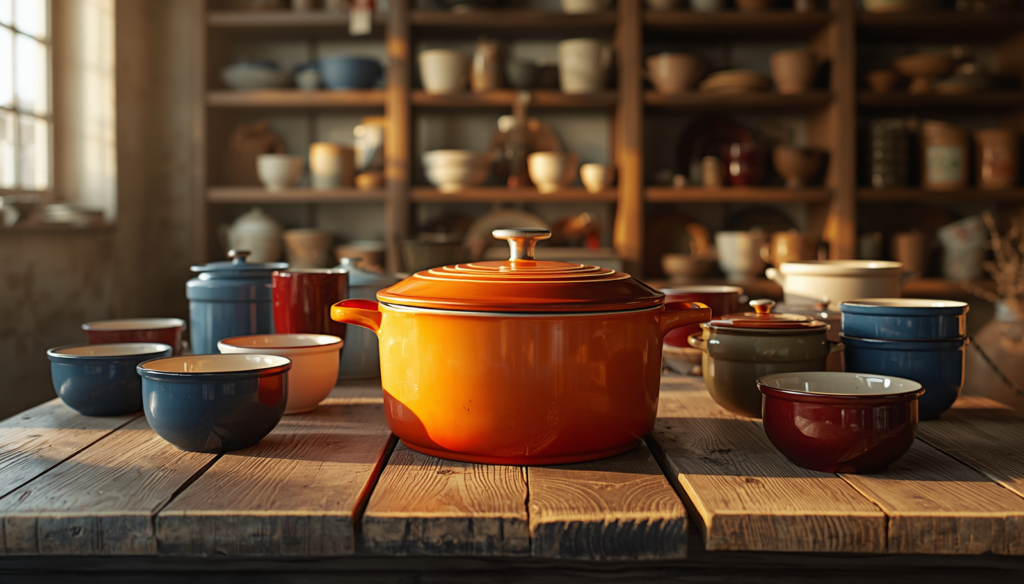
Thrift stores are treasure troves for budget-conscious home cooks who crave that covetable enameled cast iron look. The key is knowing where to look and what to look for when you’re scanning those crowded shelves.
Start by visiting thrift stores in affluent neighborhoods or near college towns, where turnover is high and donations tend to include quality kitchenware. Estate sales and consignment shops are also goldmines for gently used cookware. Check the housewares section thoroughly—sometimes the best pieces are tucked behind mismatched lids or stacked under less desirable items.
When you’re hunting for affordable alternatives to pricey brands, train your eye to recognize the telltale signs of quality enameled cast iron. Look for pieces with smooth, chip-free enamel coatings in rich, saturated colors. Lift the pot to feel its weight—good cast iron dupes should feel substantial and heavy, just like the real thing.
Don’t overlook pieces with minor cosmetic flaws such as slight discoloration or fading on the exterior. These imperfections won’t affect cooking performance and often mean you can negotiate an even better price. However, steer clear of cookware with cracked enamel or exposed raw cast iron on the cooking surface, as these can’t be safely restored.
Recognizing Quality Look-Alikes and Budget-Friendly Brands
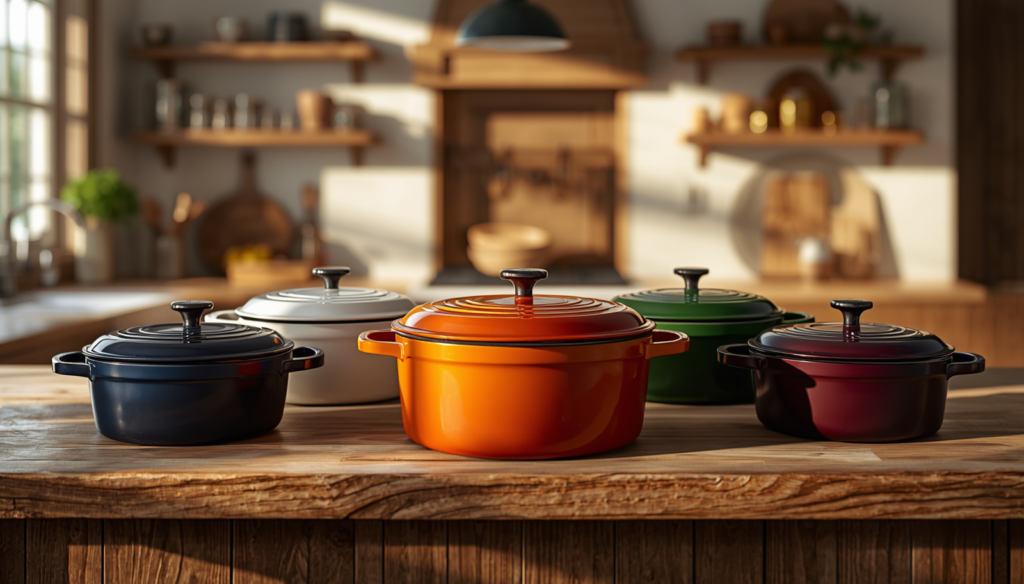
Not all Le Creuset dupes are created equal, but several brands deliver impressive quality at thrift-store prices. Lodge, an American heritage brand, produces enameled cast iron that rivals the original in performance and durability. Their color palette might be more limited, but the construction is solid and they’re frequently donated to thrift stores.
Tramontina, a Brazilian brand, offers stunning look-alikes with vibrant enamel finishes that could easily be mistaken for luxury cookware. You’ll also encounter brands such as Martha Stewart Collection, Crock-Pot, and even store brands from retailers like Costco’s Kirkland Signature line—all of which can perform beautifully for everyday cooking.
European brands including Staub knockoffs and lesser-known French manufacturers occasionally appear at thrift stores, especially in metropolitan areas. These pieces often feature the same heavy-gauge cast iron construction and glossy enamel exterior that made Le Creuset famous.
The material differences between authentic Le Creuset and quality dupes are often minimal. Both use cast iron cores with enamel coatings, though the enamel formulation and application process may vary. Premium dupes typically feature multiple layers of enamel that resist chipping and staining, while budget options might have thinner coatings that require gentler handling.
Performance-wise, most quality alternatives heat evenly and retain temperature beautifully—the fundamental advantage of cast iron cookware. Where you might notice differences is in the smoothness of the interior enamel and how easily food releases from the surface. Higher-end dupes often have a more refined interior finish that behaves similarly to Le Creuset’s proprietary sand-colored enamel.
When organizing your newly thrifted cookware finds, consider implementing some clever kitchen organization solutions to showcase your beautiful pieces while keeping them easily accessible for daily cooking.
How to Spot Genuine Le Creuset and Understand Resale Value
Sometimes you’ll stumble upon the real deal at thrift stores, and knowing how to authenticate genuine Le Creuset can mean the difference between scoring a $400 pot for $20 or passing on an overpriced knockoff.
Authentic Le Creuset pieces always feature the brand name cast into the bottom or side of the cookware, never just printed or stickered on. The lettering should be crisp and evenly spaced. Additionally, genuine pieces have a three-digit size number on the underside—this coding system has been consistent for decades.
Check the knob on the lid carefully. Vintage Le Creuset often features black phenolic knobs, while newer pieces have stainless steel or signature-shaped knobs. The knob should feel securely attached and proportional to the pot size. The interior enamel on authentic Le Creuset is typically a light sand or cream color, which is less prone to showing wear than darker interiors.
The resale market for genuine Le Creuset remains incredibly strong, even for well-loved pieces. A thrifted Dutch oven purchased for $15-$30 can often be cleaned up and resold for $100-$200, depending on size, color, and condition. Rare vintage colors such as Flame or discontinued shades command premium prices among collectors.
Quality dupes, while not commanding Le Creuset’s resale prices, still hold value if they’re in excellent condition. Lodge and Staub pieces typically resell for 40-60% of their original retail price, making them smart investments even when purchased secondhand.
According to experienced thrift store shoppers who specialize in kitchenware, patience and regular visits are key to finding the best enameled cast iron deals. They recommend building relationships with staff who can alert you when premium cookware donations arrive.
Care and Maintenance Tips for Your Thrift Store Finds
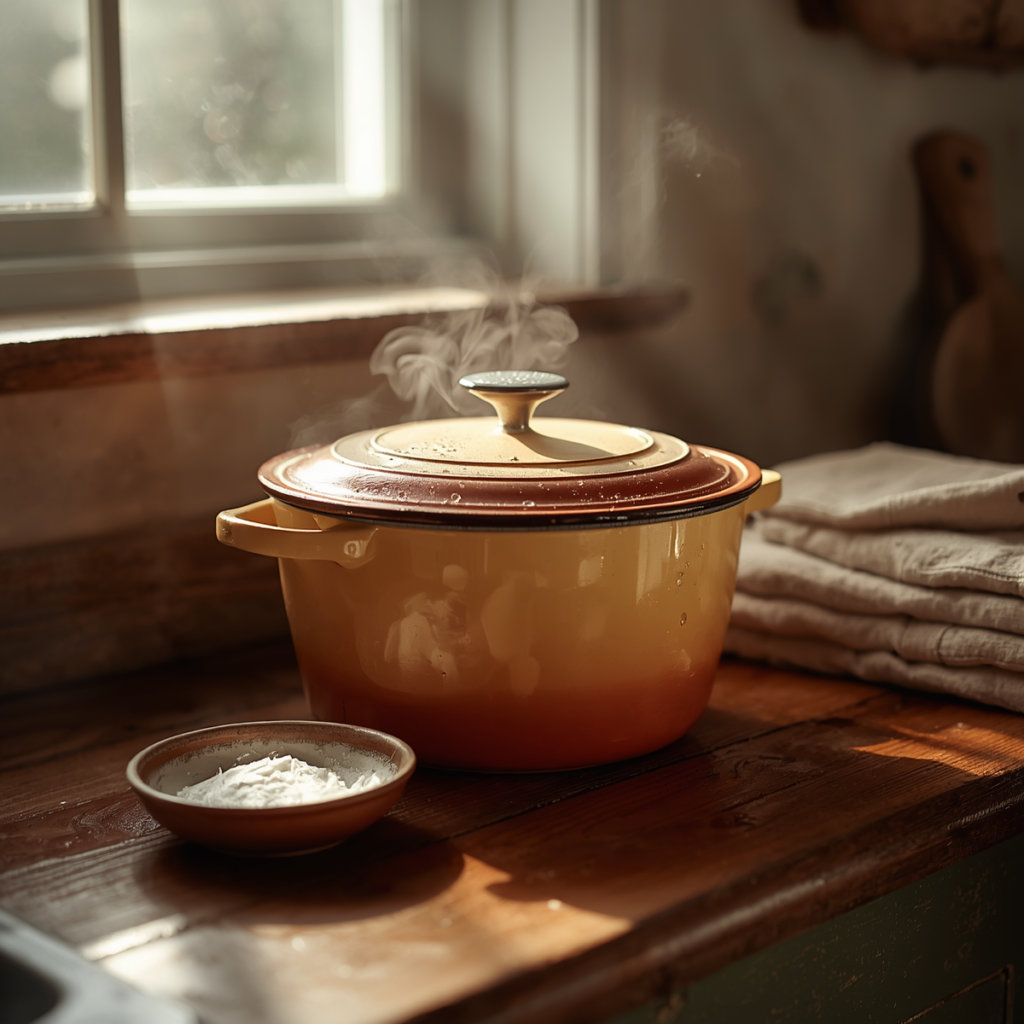
Once you’ve scored your stunning cookware dupes, proper care ensures they’ll serve you beautifully for decades. Enameled cast iron requires gentler handling than bare cast iron, but it’s remarkably forgiving with the right approach.
Always hand wash your enameled pieces with warm soapy water and a soft sponge. While some manufacturers claim dishwasher safety, hand washing preserves the enamel’s glossy finish and prevents gradual dulling. For stubborn stuck-on food, fill the pot with warm water and a squirt of dish soap, then let it soak for 15-30 minutes before scrubbing gently.
Avoid thermal shock by never placing a hot pot directly into cold water or putting a cold pot onto high heat. Let cookware come to room temperature naturally, and always start with low to medium heat settings. Cast iron retains heat so efficiently that high heat is rarely necessary and can actually damage the enamel over time.
For thrifted pieces with staining or discoloration on the interior, create a paste using baking soda and water. Apply it to stained areas, let it sit for an hour, then scrub gently with a non-abrasive sponge. For more stubborn stains, simmer a mixture of water and baking soda in the pot for 10-15 minutes, which often lifts years of buildup.
If you discover minor chips or scratches in the enamel exterior, don’t panic. Exterior cosmetic damage doesn’t affect cooking performance. However, interior chips that expose raw cast iron need attention. You can continue using the piece safely, but proper cast iron care techniques become essential for those exposed areas to prevent rust and maintain food safety.
DIY refurbishment can transform tired thrift finds into showpieces. For pieces with burnt-on residue, try the oven cleaner method: spray the exterior (avoiding any exposed cast iron) with oven cleaner, seal in a garbage bag overnight, then rinse thoroughly and wash. This technique works wonders on decades-old grime without damaging enamel.
If you’re giving your entire kitchen a budget-friendly refresh to match your beautiful new cookware, explore affordable cabinet makeover options that complement your upgraded cooking arsenal.
Real Stories from Thrift Store Treasure Hunters
The thrill of discovering quality cookware dupes at thrift stores creates stories that home cooks love to share. Sarah from Portland found a complete set of Tramontina enameled cast iron—a 5-quart Dutch oven, 3-quart saucepan, and skillet—for just $45 total at an estate sale. She’s been using them daily for three years with zero performance issues.
Jessica, a culinary school graduate, admits she reaches for her $18 thrifted Lodge enameled Dutch oven more often than her gifted authentic Le Creuset. “The performance is virtually identical for braising and bread baking,” she explains. “I don’t stress about scratches or stains because I didn’t invest $300.”
These budget luxury cooking experiences prove that you don’t need to spend a fortune to create restaurant-quality meals at home. The confidence that comes from cooking with beautiful, functional cookware—whether it’s authentic or a well-made dupe—transforms everyday meal preparation into something special.
Many collectors start with affordable alternatives and gradually build mixed collections that include both dupes and occasional authentic pieces. This approach allows you to experiment with different sizes and shapes without financial pressure, helping you discover which pieces truly earn their place in your kitchen rotation.
The official Le Creuset website showcases the full range of colors and styles that inspire both the brand’s designers and the manufacturers creating quality alternatives, giving you a sense of what to look for during your thrift store adventures.
Building Your Dream Kitchen Island Display
Once you’ve curated a collection of gorgeous enameled cookware, display it proudly. Open shelving or a dedicated pot rack transforms functional cookware into kitchen decor. The rich jewel tones of quality dupes—from deep blues and vibrant reds to sunny yellows—add personality and warmth to your cooking space.
Consider coordinating your cookware colors with your kitchen’s overall palette. A collection of complementary hues creates visual harmony, while a rainbow assortment makes a playful statement. If you’re planning a kitchen renovation or upgrade, creative kitchen island projects can provide the perfect stage for showcasing your thrifted treasures.
Store your enameled cast iron with care by placing paper towels or cloth between stacked pieces to prevent scratching. If cabinet space is limited, hang lighter pieces from sturdy hooks, but keep heavier Dutch ovens on lower shelves for safety.
Your Path to Affordable Kitchen Luxury
Finding beautiful Le Creuset dupes at thrift stores isn’t just about saving money—it’s about making intentional choices that align with your values and lifestyle. You’re giving quality cookware a second life, avoiding the markup of retail shopping, and proving that a stunning, functional kitchen doesn’t require a luxury budget.
The next time you visit a thrift store, take your time browsing the housewares section with fresh eyes and newfound knowledge. That perfect piece of enameled cast iron might be waiting for you, ready to become the hardest-working, most-loved item in your kitchen. Start your treasure hunt this weekend, and discover how affordable luxury can transform both your cooking and your space.
