You’ve set the perfect table for dinner, but those flimsy fabric placemats keep sliding around, staining easily, and looking tired after just a few washes. If you’re ready to upgrade your dining setup with something that actually lasts, stone placemats offer a stunning, durable solution that transforms every meal into a moment worth savoring.
Why Your Current Placemats Aren’t Cutting It
Traditional fabric and plastic placemats might seem convenient, but they come with a laundry list of frustrations. Fabric versions absorb spills like a sponge, harbor stains no matter how many times you wash them, and lose their shape after repeated laundering. Plastic alternatives crack over time, warp under hot dishes, and often look cheap no matter how much you paid for them.
The constant slipping issue is another daily annoyance. You’re trying to enjoy a nice meal, but your placemat keeps sliding across the table every time someone sets down a glass or cuts into their food. It’s distracting, messy, and honestly, just not worth the hassle anymore.
What you need is something that stays put, handles heat without flinching, and looks as gorgeous on day 100 as it did on day one. That’s exactly where natural stone placemats come into play, offering a practical and beautiful alternative that solves all these common problems.
The Lasting Appeal of Stone Placemats
Stone placemats bring an understated elegance to your table that instantly elevates any dining experience, whether it’s a casual Tuesday dinner or a special celebration. Made from materials such as marble, slate, granite, or travertine, these natural beauties offer a timeless aesthetic that complements everything from modern minimalist to rustic farmhouse decor styles.
The durability factor is unmatched. Unlike their fabric or plastic counterparts, stone placemats can handle scorching hot pots straight from the stove without warping, cracking, or losing their integrity. This heat resistance makes them incredibly practical for everyday use, not just for show.
Stain resistance is another major win. Stone is naturally non-porous when properly sealed, meaning wine spills, sauce splatters, and oil drips wipe away cleanly without leaving behind stubborn marks. You’re no longer stuck pre-treating stains or tossing placemats in the wash after every single meal.
The weight of stone also solves that annoying slipping problem once and for all. These placemats stay exactly where you put them, providing a stable surface that won’t shift or bunch up during your meal. It’s one of those small upgrades that makes a surprisingly big difference in your daily dining experience.
Beyond function, there’s something deeply satisfying about the tactile quality of stone. The cool, smooth surface adds a sensory dimension to your table setting that feels special and intentional. Stone materials also contribute to a more sustainable home since they’re natural, long-lasting, and won’t end up in a landfill after a season or two.
Creating Your Own DIY Stone Placemats
Making your own stone placemats is more approachable than you might think, and it allows you to customize the size, shape, and finish to perfectly match your table and style. Plus, creating them yourself often costs less than purchasing high-end versions from boutique home stores, especially if you source your materials thoughtfully.
Sourcing Your Stone Materials
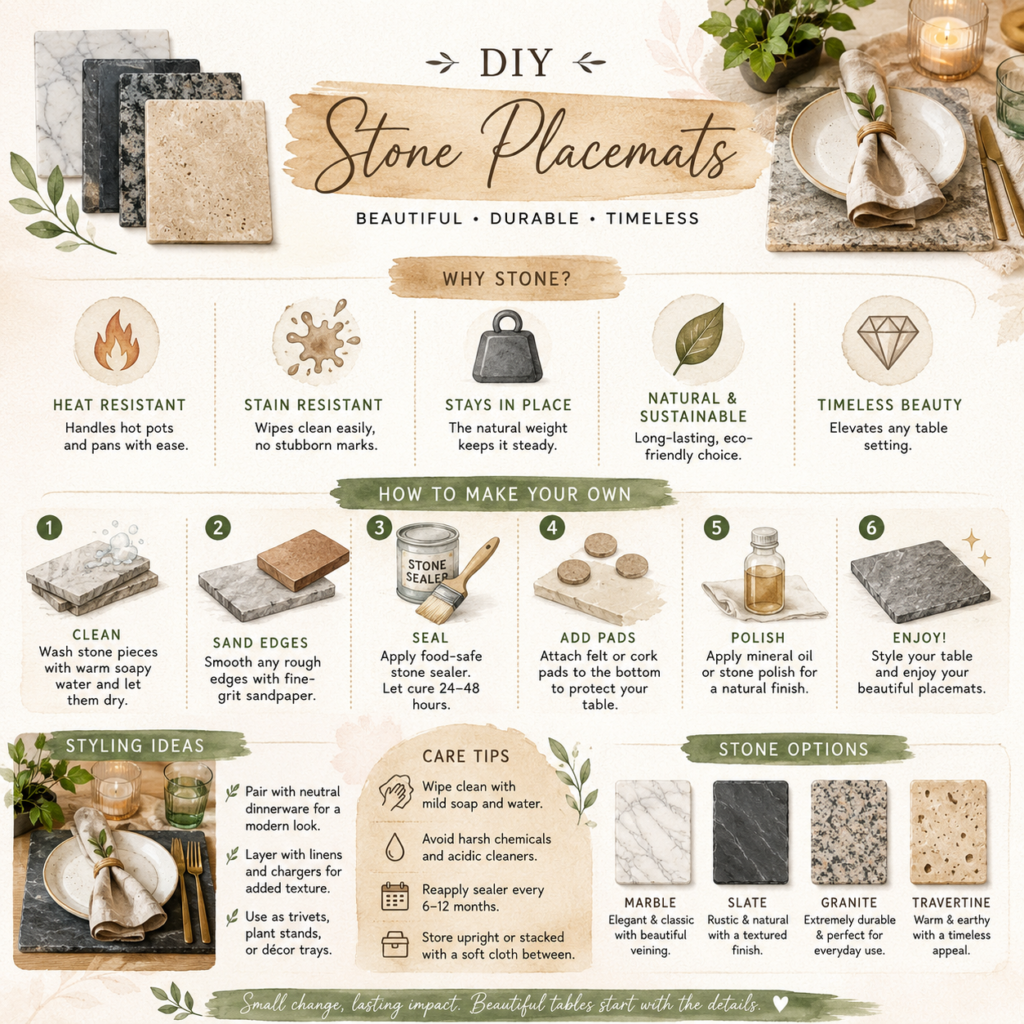
Start by deciding which type of stone speaks to you. Marble offers classic elegance with beautiful veining, slate provides a rustic, textured look, granite delivers exceptional durability, and travertine brings warm, earthy tones. Each has its own personality and price point.
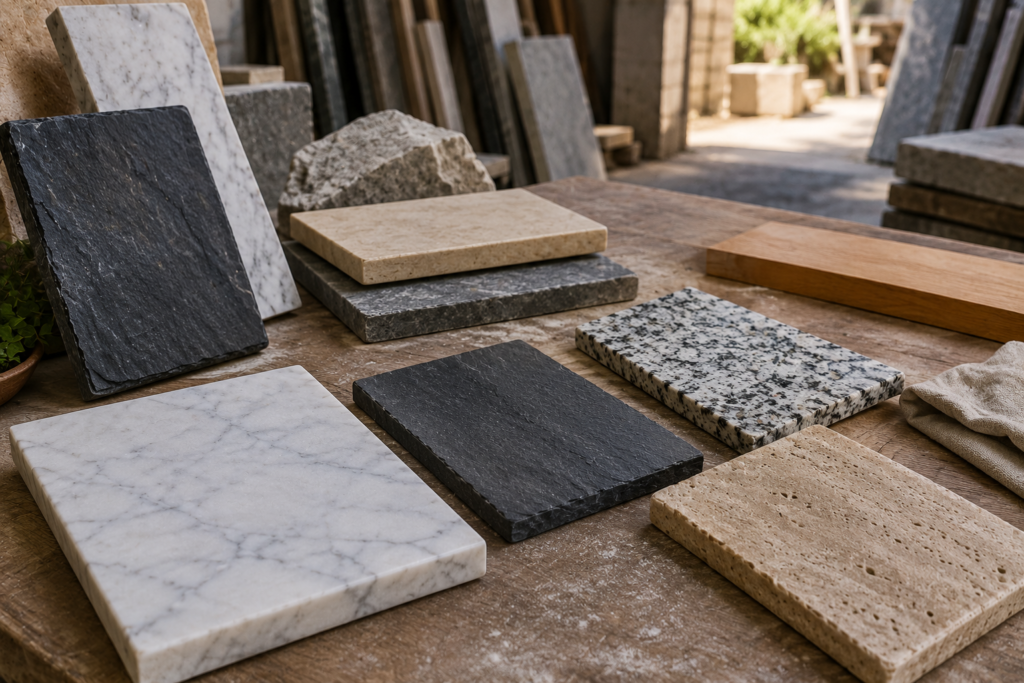
For sustainable and budget-friendly sourcing, check local stone yards or fabricators that often sell remnants and offcuts at a fraction of retail prices. These leftover pieces from larger projects are perfect for placemat-sized cuts and keep usable material out of the waste stream. Home improvement stores also carry stone tiles in standard sizes that work beautifully for this DIY stone mat project.
When comparing costs, DIY stone placemats typically run between $8 to $20 per mat depending on your stone choice and whether you’re cutting them yourself or having them cut professionally. Store-bought versions of similar quality often start at $30 and can easily exceed $60 each for designer options. That’s significant savings, especially when you’re outfitting an entire table.
Look for stone pieces that are roughly 12 by 16 inches or adjust to your preferred placemat dimensions. A thickness of about half an inch provides good weight and stability without being too heavy to move comfortably. Choosing sustainable decor materials means thinking about longevity and environmental impact, which stone naturally delivers.
Materials and Tools You’ll Need
Gather these essentials before starting your stone placemat tutorial: stone tiles or cut pieces in your chosen material, fine-grit sandpaper (220-grit works well), stone sealer appropriate for food-contact surfaces, felt or cork adhesive pads, mineral oil or stone polish, and a soft cloth for application.
If you’re cutting stone yourself, you’ll also need a wet saw with a diamond blade and safety equipment including goggles and gloves. However, most beginners find it easier and safer to purchase pre-cut tiles or have a stone yard make cuts to your specifications for a small fee.
Step-by-Step Assembly Process
Begin by thoroughly cleaning your stone pieces with warm water and mild dish soap to remove any dust or residue from cutting. Let them dry completely, which may take several hours depending on the stone’s porosity.
Once dry, smooth any rough edges with fine-grit sandpaper using gentle, circular motions. This step is especially important along the edges where hands will touch the placemats. Wipe away all sanding dust with a damp cloth and allow to dry again.
Apply your food-safe stone sealer according to the manufacturer’s instructions. Most sealers require you to apply a thin, even coat with a soft cloth, let it penetrate for about 15 minutes, then buff away any excess. This sealing step is crucial for protecting your stone placemats from stains and moisture while maintaining their natural beauty.
Allow the sealer to cure for the recommended time, typically 24 to 48 hours. During this period, keep the placemats in a well-ventilated area away from moisture.
Flip your placemats over and attach felt or cork pads to the bottom corners and center. These protective pads prevent the stone from scratching your table surface and add a bit of grip. Space them evenly for balanced support.
For a finishing touch, apply a thin layer of mineral oil or stone polish to enhance the natural color and add a subtle sheen. Buff gently with a clean, soft cloth until you achieve your desired finish. If you enjoy hands-on home projects, you might also appreciate exploring other rental-friendly decor solutions that make your space feel custom without permanent changes.
Styling and Using Your Stone Placemats
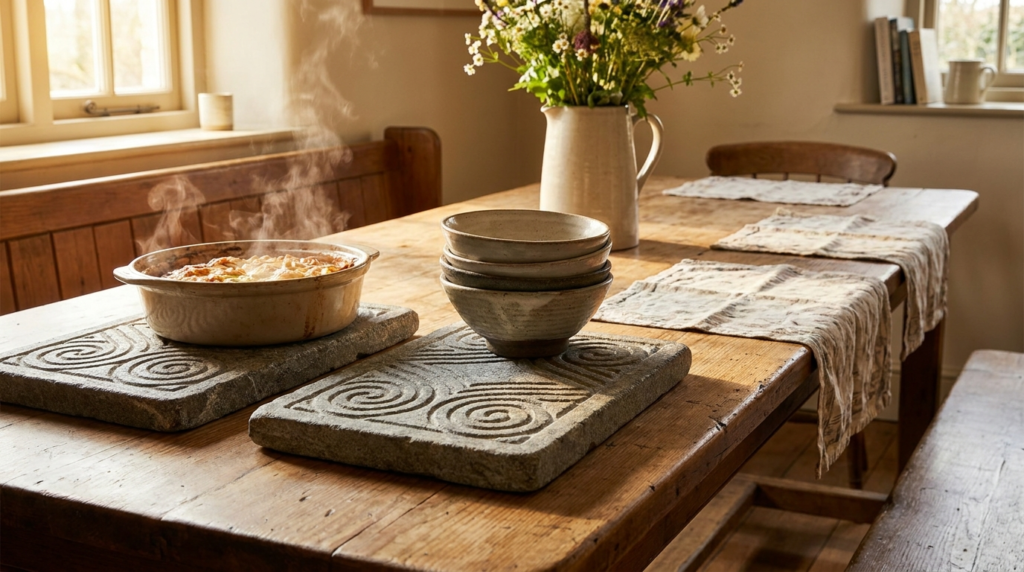
Stone placemats work beautifully as a neutral foundation that lets your dishware, linens, and centerpieces shine. For a modern look, pair sleek marble or granite mats with minimalist white plates and metallic flatware. If you’re going for rustic charm, slate placemats complement earthy-toned pottery and linen napkins perfectly.
Don’t limit yourself to dinner service only. These versatile pieces double as trivets for hot serving dishes, stylish charging stations for your phone and keys in the entryway, or even elegant displays for potted plants and candles. Their heat resistance and durability make them genuinely multi-functional.
Layer textures by placing a cloth napkin or a decorative charger plate on top of your stone placemat. This creates visual depth and allows you to change up your look seasonally without investing in entirely new table settings.
The natural variations in stone mean no two placemats are exactly alike, which adds character and uniqueness to your table. Embrace these differences rather than trying to match them perfectly—it’s part of what makes natural materials so appealing.
Maintenance Tips for Long-Lasting Beauty
Caring for your stone placemats is refreshingly simple. After each use, wipe them down with a damp cloth and mild soap if needed. Avoid harsh chemicals, acidic cleaners, or abrasive scrubbing pads that can damage the sealant or etch the stone surface.
Dry your placemats thoroughly after cleaning to prevent water spots, especially on lighter stones such as marble or travertine. A quick buff with a soft, dry cloth brings back their natural luster.
Reapply stone sealer every six to twelve months depending on how frequently you use your placemats. This maintenance step takes just minutes but significantly extends their stain resistance and overall lifespan.
Store your stone placemats upright or stacked with a soft cloth between each one to prevent scratching. Proper storage protects your investment and keeps them looking pristine between uses.
If you notice any dulling over time, revive the finish with a stone-specific polish or a light application of mineral oil. This simple refresh makes them look brand new without any heavy-duty restoration work.
Beyond the Table: Creative Uses for Stone Mats
Once you’ve created your stone placemats, you’ll likely find yourself reaching for them in unexpected ways. They make excellent photography props for food bloggers and home decor enthusiasts, providing a gorgeous, textured backdrop that photographs beautifully.
Use them as protective surfaces for craft projects, especially when working with hot glue guns, paint, or resin. The heat resistance and easy cleanup make them perfect for creative endeavors beyond the dining room. Speaking of creativity, nature-inspired crafts pair wonderfully with the organic beauty of stone materials.
Consider gifting handmade stone placemats to friends and family. They’re thoughtful, practical, and far more special than store-bought options because they carry your personal touch. Package them beautifully with care instructions and a small bottle of stone sealer for a complete, considerate gift.
If you’re feeling inspired to tackle more DIY projects, the skills you’ve learned here translate beautifully to other home decor creations. Custom pet accessories or even beginner embroidery projects offer similar satisfaction in creating something both beautiful and functional for your home.
Conclusion
Upgrading to stone placemats—whether you DIY them or invest in quality ready-made versions—is one of those small changes that makes your everyday dining experience feel more intentional and refined. They solve practical problems while adding timeless beauty to your table, and they’ll still look stunning years from now when those fabric placemats would have long since been retired. With minimal maintenance and maximum style, stone placemats prove that the best home upgrades are often the ones that seamlessly blend form and function.
