How to Build a Capsule Wardrobe: A Beginner-Friendly Guide
A capsule wardrobe for beginners is one of the simplest ways to create a more organized, stylish, and practical closet. Instead of staring at a wardrobe full of clothes while feeling like you have nothing to wear, you’ll have a carefully curated collection of versatile pieces that work together effortlessly. This beginner-friendly guide will walk you through every step of building a functional capsule wardrobe, from choosing a color palette to creating outfits that suit your lifestyle.
What Is a Capsule Wardrobe?
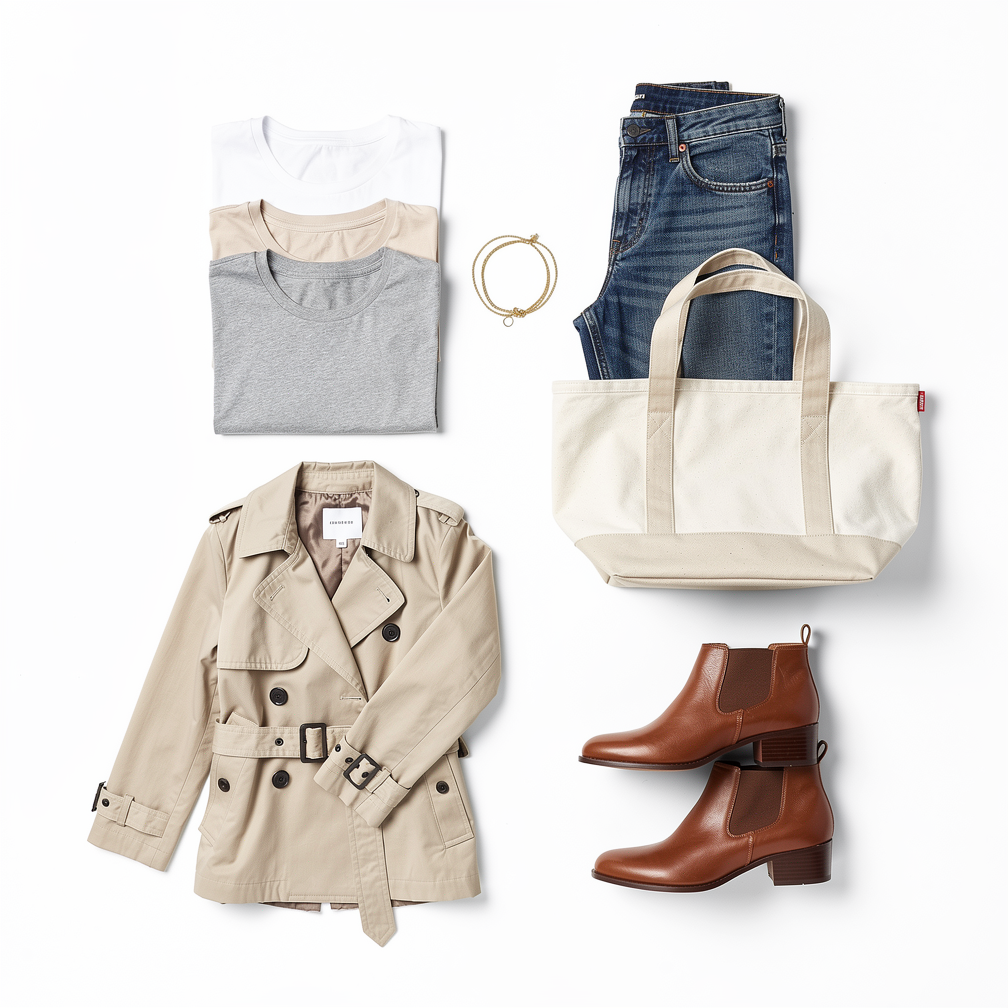
A capsule wardrobe is a small collection of essential clothing items that don’t go out of style and can be mixed and matched to create numerous outfits. The term was popularized in the 1970s by London boutique owner Susie Faux, who described it as a collection of timeless pieces that could be augmented with seasonal items.
The beauty of a capsule wardrobe lies in its simplicity. Rather than owning dozens of items you rarely wear, you maintain a streamlined collection of versatile pieces you love and wear regularly. Most capsule wardrobes contain between 25 to 40 pieces, including tops, bottoms, dresses, outerwear, and shoes, but excluding accessories, underwear, and workout clothes.
This approach dress expensive on a budget offers numerous benefits beyond just decluttering your closet. Research from Cornell University shows that a capsule wardrobe helps you save time and money by reducing decision fatigue and impulse purchases. You’ll spend less time shopping, less time deciding what to wear, and less money on clothes you’ll only wear once.
Choose Your Color Palette
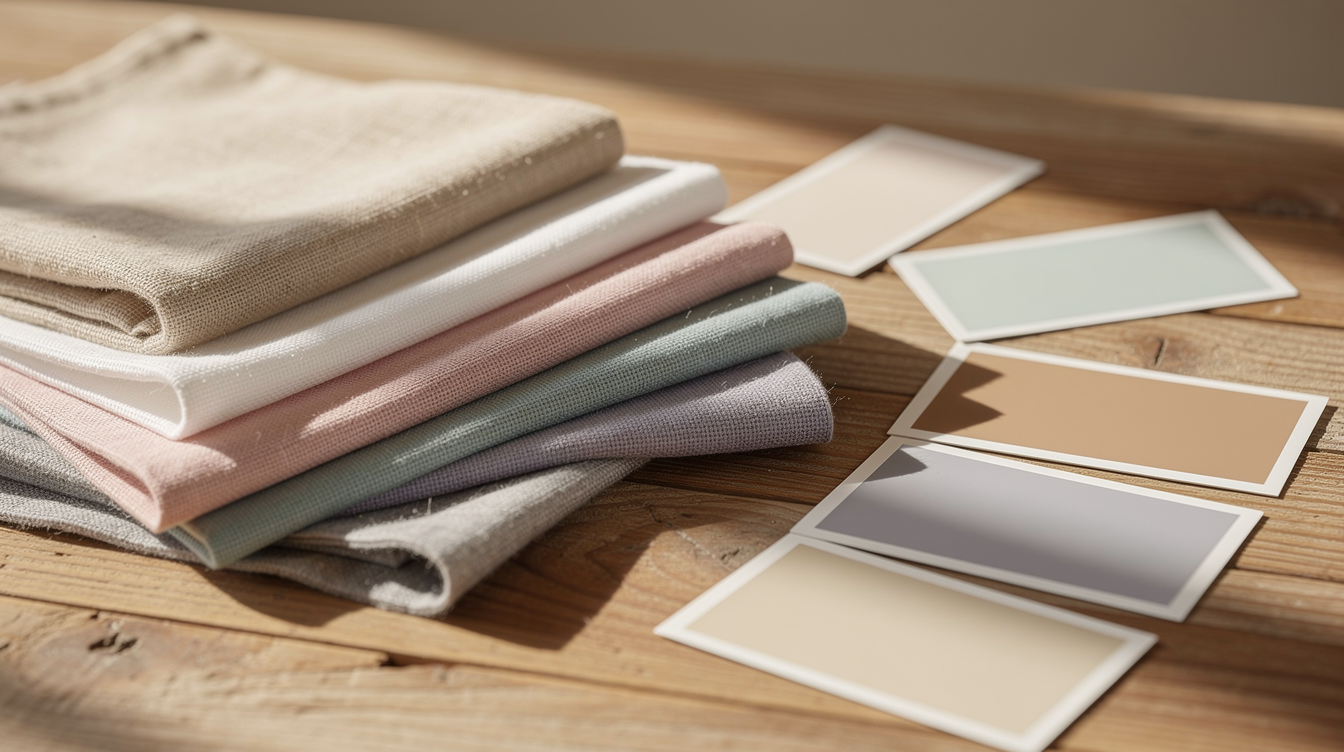
Your color palette forms the foundation of a successful capsule wardrobe. By selecting colors that work harmoniously together, you ensure that virtually any piece can be paired with any other piece, maximizing outfit combinations.
Start by choosing 2-3 neutral base colors. These anchors will make up the majority of your wardrobe. Popular choices include:
Next, add 2-3 accent colors that complement your base neutrals and suit your personal style and coloring. These might include burgundy, forest green, dusty rose, or cobalt blue. Choose colors that make you feel confident and work well with your skin tone.
Test your palette before committing. Lay out items in your chosen colors and see how they work together. Can you create multiple combinations? Do the colors reflect your lifestyle and personality? Remember, this palette will guide all future purchases, so take time to get it right.
Identify Your Essential Pieces
Building your capsule wardrobe starts with identifying essential pieces that align with your lifestyle. A corporate professional needs different basics than a stay-at-home parent or creative freelancer.
Consider your typical week. How many days do you work in an office? How often do you attend formal events? What activities fill your weekends? Your wardrobe should reflect your actual life, not an aspirational version that doesn’t match reality.
Sample 30-Piece Capsule Wardrobe for Beginners:
Tops (10 pieces):
Bottoms (8 pieces):
Dresses (3 pieces):
Outerwear (3 pieces):
Shoes (6 pairs):
This framework provides a starting point, but adjust based on your climate and lifestyle. Someone in Florida needs fewer sweaters and more lightweight options, while someone in Minnesota requires additional warm layers.
Create Outfits
The magic of a capsule wardrobe becomes apparent when you start creating outfits. With 30 carefully selected pieces, you can generate well over 100 unique combinations.
Sample Outfit Combinations:
Casual Weekend Look:
Office Professional:
Date Night:
Casual Friday:
Brunch with Friends:
Business Meeting:
Running Errands:
The key is ensuring each piece works with at least three other items. This “rule of three” guarantees versatility polished style tips and prevents you from including pieces that only work in limited combinations.

Seasonal Capsule Wardrobes
Many capsule wardrobe enthusiasts rotate their collections seasonally, adapting to weather changes and maintaining freshness in their style. This doesn’t mean buying entirely new wardrobes every few months, but rather swapping out approximately 20-30% of your capsule.
Spring/Summer Approach: Keep your year-round basics like jeans, white t-shirts, and blazers. Add lighter fabrics, brighter colors, shorts, sundresses, and sandals. Store heavy coats, thick sweaters, and boots.
Fall/Winter Approach: Maintain your core neutrals. Bring back layering pieces, cozy sweaters, boots, and heavier outerwear. Store lightweight dresses, shorts, and sandals.
Transitional pieces—items that work across seasons—are particularly valuable. A denim jacket, neutral cardigan, or ankle boots can serve you year-round with different styling.
For beginners, start with one season’s capsule before planning rotations. Once you understand what works for your lifestyle, seasonal transitions become intuitive.
What to Remove
Creating a capsule wardrobe requires not just identifying what to keep, but decisively removing what no longer serves you. This step challenges many beginners, but it’s essential for success.
Remove items that:
Don’t fit properly: Be honest about your current size. Clothes that are too tight make you uncomfortable; clothes that are too loose don’t look polished. If alterations aren’t realistic, let them go.
Haven’t been worn in 6+ months: If you haven’t reached for it through an entire season, you probably won’t. The exception is formal wear for special occasions.
Require special care you won’t do: That dry-clean-only blouse you never wear because it’s too much hassle? It’s taking up valuable space.
Don’t match your color palette: Even if you love that neon orange sweater, if it doesn’t work with anything else in your wardrobe, it creates outfit dead-ends.
Make you feel anything less than confident: Your wardrobe should make you feel great. Items that make you self-conscious or uncomfortable serve no purpose.
Are damaged beyond reasonable repair: Small repairs are fine, but extensively worn items that can’t be salvaged should be removed.
Represent a different lifestyle: Those corporate suits from your previous job or club dresses from your early twenties might hold memories, but if they don’t fit your current life, they’re just clutter.
Consider donating, selling, or responsibly recycling removed items. Knowing your clothes will benefit others makes letting go easier.
Shopping Rules
One of the biggest challenges for capsule wardrobe beginners is resisting the urge to constantly add new pieces. These shopping rules will help you maintain your streamlined wardrobe while still allowing for occasional updates.
The One In, One Out Rule: For every new item you bring in, remove one existing item. This maintains your capsule size and forces you to truly consider whether the new piece is better than what you already own.
The 48-Hour Rule: When you find something you want to buy, wait 48 hours before purchasing. This cooling-off period eliminates impulse buys and ensures you’re making intentional choices.
The Outfit Test: Before buying anything, identify at least three items already in your wardrobe that it will pair with. If you can’t think of three combinations, don’t buy it.
Quality Over Quantity: Invest in well-made pieces that will last years rather than buying cheap items you’ll need to replace every season. Better to save for one excellent pair of jeans than buy three mediocre pairs.
Stick to Your Color Palette: No matter how beautiful an item is, if it doesn’t fit your established color scheme, it will create outfit complications and sit unworn.
Avoid Trend Traps: High fashion trends change rapidly. Focus on classic, timeless pieces for your capsule core. If you love trends, incorporate them through accessories that are easier and less expensive to update.
Shop Your Closet First: Before buying anything new, thoroughly review what you already own. You might rediscover forgotten pieces or realize you can create the look you want with existing items.
Set a Clothing Budget: Establish a quarterly or annual clothing budget and stick to it. This prevents overspending and encourages thoughtful purchasing.
Capsule Wardrobe Checklist
Use this practical checklist to build and maintain your capsule wardrobe:
Initial Setup:
Ongoing Maintenance:
Quality Checks:
This checklist helps you stay organized and intentional about your wardrobe choices, ensuring your capsule continues serving your needs effectively.
Frequently Asked Questions
How many pieces should be in a beginner capsule wardrobe?
For beginners, 30-40 pieces is an ideal starting point. This includes tops, bottoms, dresses, outerwear, and shoes, but excludes accessories, underwear, workout clothes, and loungewear. This size provides enough variety to create multiple outfits without overwhelming you. As you become more experienced with capsule wardrobes, you might reduce this number, but starting with a slightly larger collection makes the transition easier and less stressful.
Can I still wear trendy items with a capsule wardrobe?
Absolutely! A capsule wardrobe doesn’t mean sacrificing style or personal expression. The key is building your foundation with timeless, versatile pieces, then incorporating trends through smaller items like accessories, scarves, or one or two trendier tops. This approach lets you stay current without constantly replacing your entire wardrobe. Just ensure trendy pieces still coordinate with your color palette and can be styled multiple ways.
What’s the difference between a minimalist wardrobe and a capsule wardrobe?
While often used interchangeably, these concepts have subtle differences. A minimalist wardrobe focuses on owning as few items as possible, prioritizing extreme simplicity—some people maintain minimalist wardrobes with just 15-20 total pieces. A capsule wardrobe emphasizes curation and versatility rather than minimal quantity. Capsules typically contain more pieces (25-40) but focus on intentional selection and maximum outfit combinations. You can have a capsule wardrobe without being a minimalist, though many people embrace both philosophies.
How often should I update my capsule wardrobe?
Most people update their capsule wardrobes seasonally (every 3-4 months), swapping out approximately 20-30% of pieces to accommodate weather changes. However, your core essentials—well-fitting jeans, basic tops, quality outerwear—can remain year-round. Beyond seasonal updates, replace items as they wear out and add new pieces only when you’ve identified genuine gaps. The goal isn’t constant shopping but rather thoughtful practical style tips evolution as your needs and style develop.
Is a capsule wardrobe only for women?
Not at all! Capsule wardrobes work beautifully for anyone, regardless of gender. Men can benefit equally from a streamlined, versatile wardrobe of quality basics. The principles remain the same: choose a cohesive color palette, select essential pieces appropriate for your lifestyle, ensure everything mixes and matches, and maintain quality over quantity. Many men find capsule wardrobes particularly appealing because they simplify daily dressing while maintaining a polished appearance.
Conclusion
Building a capsule wardrobe as a beginner might seem daunting initially, but the benefits far outweigh the effort required. By following this step-by-step approach—defining your color palette, identifying essential pieces, creating versatile outfit combinations, and establishing clear shopping rules—you’ll transform your relationship with your closet.
Remember that your capsule wardrobe is personal and should evolve with your needs. What works for someone else might not work for you, and that’s perfectly fine. The goal isn’t perfection but rather creating a wardrobe that makes you feel confident, saves you time, and reflects your authentic style.
Start small, be patient with the process, and give yourself permission to adjust as you learn what works best for your lifestyle. Within a few months, you’ll wonder how you ever managed with an overflowing closet of clothes you rarely wore. Your new capsule wardrobe will serve you better with less, proving that when it comes to style, quality and intention matter far more than quantity.
