25 Renter-Friendly Decor Ideas That Will Not Damage Walls
Renter friendly decor ideas can help you transform your rental space into a personalized home without sacrificing your security deposit. Whether you’re renting your first apartment or you’re a seasoned tenant looking for fresh ideas, these damage-free decor solutions will help you create a space that feels uniquely yours without leaving a trace when you move out. We’ll explore practical, reversible decorating strategies that prioritize smart product choices and techniques specifically designed to keep walls, floors, and surfaces intact.
Peel-and-Stick Wallpaper
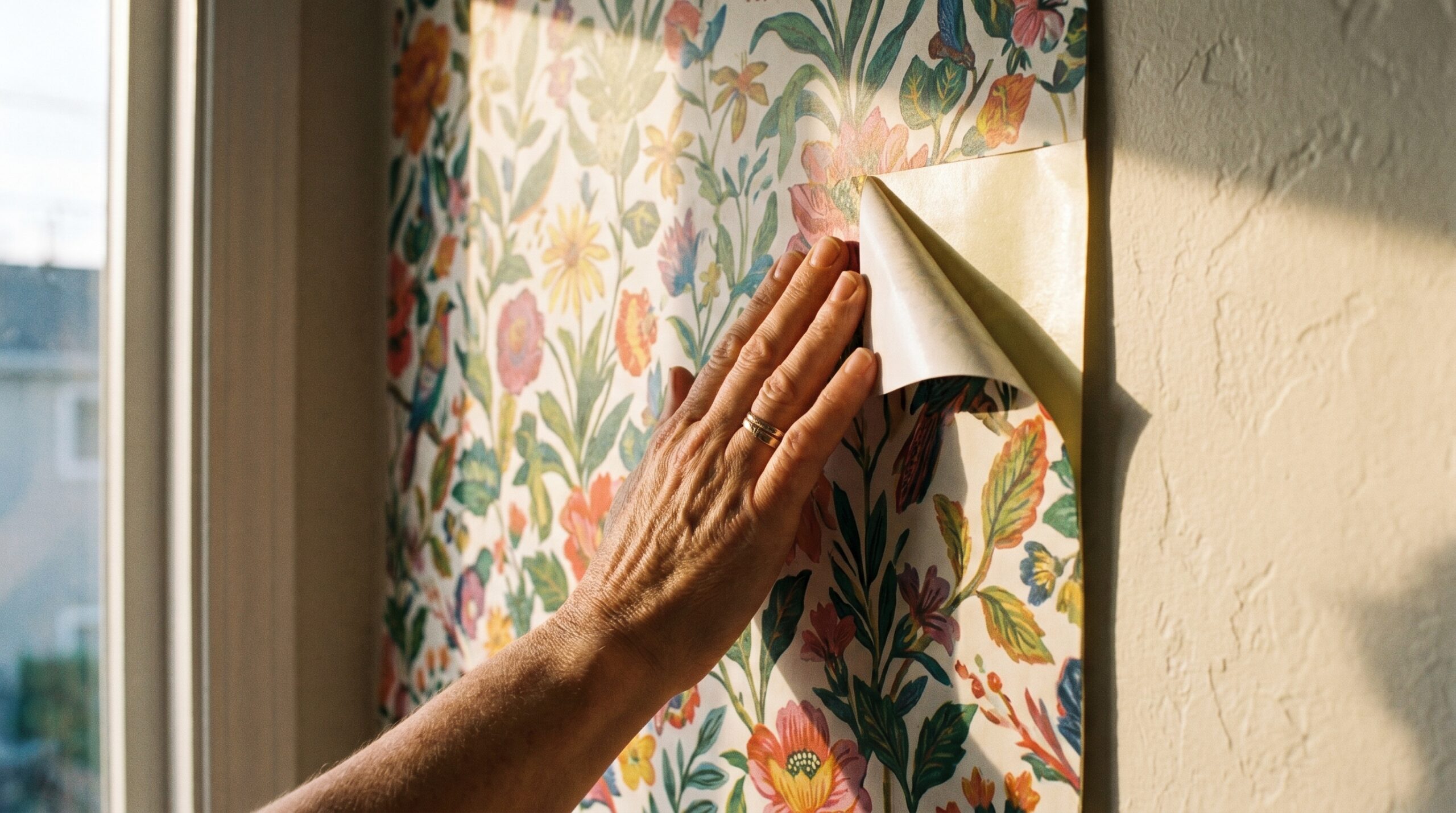
Peel-and-stick wallpaper has revolutionized rental decorating, offering renters the opportunity to completely transform walls without the commitment or damage of traditional wallpaper. This temporary solution adheres through a repositionable adhesive that sticks firmly but removes cleanly, making it perfect for accent walls, boring bathroom spaces, or even furniture makeovers.
When selecting peel-and-stick wallpaper, look for high-quality brands that specifically advertise themselves as “removable” and “damage-free.” Products from companies like Tempaper, RoomMates, and WallPops have been tested extensively and receive consistently positive reviews from renters. Before committing to an entire wall, test a small piece in an inconspicuous area for 24-48 hours to ensure it adheres properly and removes cleanly from your specific wall texture.
For application, start with clean, dry walls and work slowly to avoid air bubbles. Use a smoothing tool or credit card to press out any wrinkles as you go. One pro tip: apply your wallpaper in moderate temperatures, as extreme heat or cold can affect the adhesive properties. You can create stunning feature walls behind beds, transform rental closets, or even add visual interest to the back of bookshelves for a pop of pattern without overwhelming the rental decor hacks no drilling space.
Removable wallpaper isn’t just for walls—consider using it to line drawers, update dated kitchen cabinets, or give old furniture a fresh look. A simple dresser from a thrift store can become a statement piece with the right pattern, and you can take it with you when you move.
Removable Wall Hooks
Command hooks and similar adhesive hanging solutions have become a renter’s best friend, but knowing which products to use for different purposes is crucial for success. These hooks use pressure-sensitive adhesive strips that can hold surprising amounts of weight when used correctly, from lightweight frames to heavy coats and bags.
For picture frames and lightweight art, standard Command Picture Hanging Strips work beautifully and come in various weight capacities. Always choose strips rated for slightly more weight than your item actually weighs to ensure security. For heavier pieces, Command offers specialty hooks that can hold up to 16 pounds when multiple strips are used together.
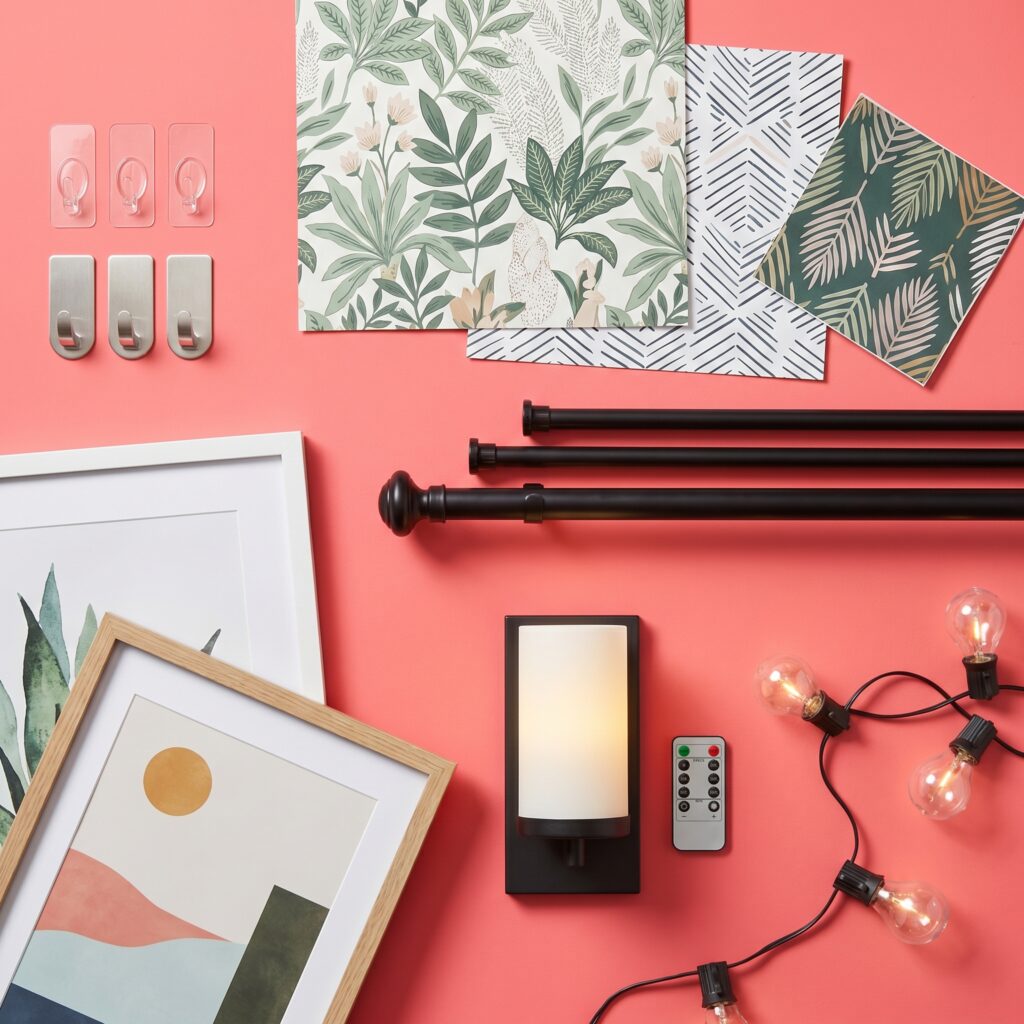
Beyond basic hooks, explore the full range of adhesive solutions available. Command makes towel bars, shelf brackets, and even corner caddies for bathrooms—all removable without damage. 3M also produces clear hooks that virtually disappear against white walls, perfect for hanging string lights or creating gallery walls without visible hardware.
The key to success with adhesive hooks is proper installation. Clean the wall surface with rubbing alcohol and let it dry completely before application. Press firmly for 30 seconds, then wait the recommended time (usually one hour) before hanging anything. This waiting period allows the adhesive to bond properly with the wall surface. For the best results, apply hooks in moderate temperatures and avoid using them on textured walls or recently painted surfaces (wait at least one week after painting).
Temporary Backsplashes
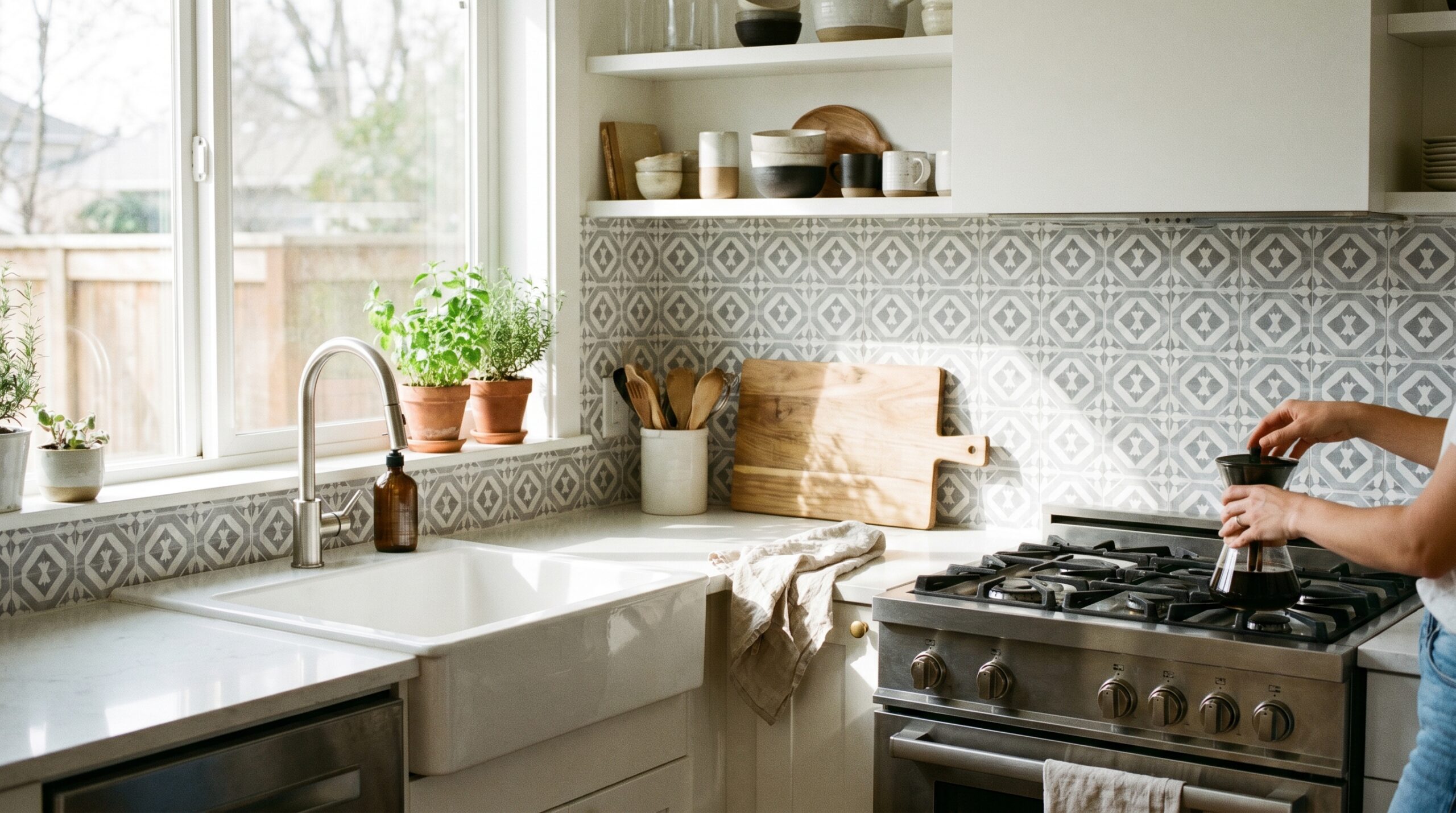
Kitchen and bathroom backsplashes are often the most dated elements in rental properties, but temporary backsplash solutions can completely refresh these spaces without any permanent installation. Peel-and-stick tiles have evolved tremendously, now offering realistic textures and finishes that mimic subway tile, marble, and even intricate mosaics.
Brands like Smart Tiles and Tic Tac Tiles offer gel-based products with a three-dimensional appearance that looks remarkably like real tile. These products are heat and water-resistant, making them suitable for areas behind stoves and sinks. Installation is straightforward: measure your space, cut tiles to fit using scissors or a utility knife, and press firmly into place.
For renters concerned about adhesive on walls, consider using temporary backsplash panels that lean against the wall rather than adhere to it. These acrylic or metal panels sit on the counter and lean against the backsplash area, held in place by their own weight and the counter depth. While less permanent-looking than adhered options, they offer zero-risk protection and instant removability.
Another creative approach involves using removable wallpaper designed for high-moisture areas as a backsplash. Look for vinyl or vinyl-coated options that can withstand occasional splashes. This method works especially well in bathroom vanity areas where exposure to water is less intense than behind a kitchen sink. The variety of patterns available means you can achieve looks ranging from classic subway tile to bold geometric designs that would be prohibitively expensive in real cozy home decor trends tile.
Freestanding Storage
Built-in storage is a luxury many rentals lack, but freestanding furniture pieces can provide function without requiring any wall anchoring or permanent installation. The beauty of this approach is that everything moves with you, making it an investment in your living space regardless of how many times you relocate.
Open shelving units like ladder shelves, etageres, and industrial pipe shelving systems lean against walls without requiring mounting hardware. These pieces add vertical storage while displaying books, plants, and decorative objects that express your personal style. Look for units with a slight backward lean or wide base for stability without wall attachment.
Room dividers and screens serve double duty by creating distinct zones in studio apartments or open-concept spaces while providing additional storage or display surfaces. Modern options include bookshelf dividers that offer storage on both sides, folding screens with built-in shelves, and even hanging fabric dividers suspended from tension rods.
For bedroom storage, invest in bed frames with built-in drawers or use the space under your bed with rolling storage containers. Freestanding wardrobes and armoires provide substantial hanging and folded storage without requiring closet modifications. In bathrooms, over-the-toilet storage units and rolling carts maximize vertical space without drilling.
Consider modular furniture systems that can be reconfigured for different spaces. Cube storage units can be stacked, arranged horizontally, or even used as room dividers depending on your needs and your next apartment’s layout.
No-Drill Curtains
Curtains dramatically impact a room’s ambiance, making spaces feel taller, wider, and more polished, but many landlords prohibit drilling into window frames or surrounding walls. Fortunately, several no-drill solutions allow you to hang curtains professionally without any damage.
Tension rods are the most popular no-drill option, using spring-loaded pressure to stay in place between two walls or within a window frame. Modern tension rods have come a long way from the flimsy bathroom versions of the past. Look for heavy-duty options rated for the weight of your curtains, and consider models with rubberized ends that grip better and won’t scratch paint.
For a more polished look, try magnetic curtain rods designed for metal window frames, or adhesive curtain rod brackets that use the same damage-free technology as Command hooks. Some companies now make sophisticated bracket systems specifically designed for renters that support decorative curtain rods without any holes.
Ceiling-mounted tension rod systems work beautifully for creating dramatic floor-to-ceiling curtain installations without any ceiling damage. These use pressure between floor and ceiling, with the curtains attached to the vertical rod. This approach works especially well for creating bedroom privacy in studio apartments or dividing spaces.
When hanging heavier curtains, double up on tension rods—use two parallel rods to distribute weight more evenly. This technique also works well for layered curtain looks with sheers and blackout panels. Just as explained in resources about renter-friendly decor tips, the key is choosing the right hardware for your specific situation and testing weight capacity before committing.
Leaning Artwork
One of the most effortless and commitment-free ways to incorporate art into your rental is through leaning pieces rather than hanging them. This approach has become increasingly popular in interior design, offering a casual, curated aesthetic while being completely damage-free.
Large-scale artwork and mirrors can be leaned against walls on the floor or on furniture surfaces like console tables, mantels, or dressers. This method works particularly well with oversized pieces that would require heavy-duty hanging hardware otherwise. To prevent sliding, place small adhesive felt pads or removable mounting putty on the bottom back corners of frames.
Create gallery wall effects using picture ledges or floating shelves installed with adhesive strips. These narrow shelves allow you to layer multiple frames of varying sizes, easily switching out artwork whenever inspiration strikes. This flexibility means your decor can evolve with your tastes without additional wall damage.
For a more curated approach, lean a large statement mirror or piece of artwork against the wall and layer smaller frames in front, creating depth and visual interest. This technique works especially well in bedrooms above dressers or in living rooms on media consoles. The layered look feels intentionally styled rather than like a temporary solution.
Another creative option involves using easels to display artwork. Floor easels work for larger pieces, while tabletop easels are perfect for smaller prints, adding dimension and making art feel like a deliberate design choice. As detailed in this guide on hanging art in rentals, there are numerous creative approaches that don’t require damaging walls.
Removable Lighting
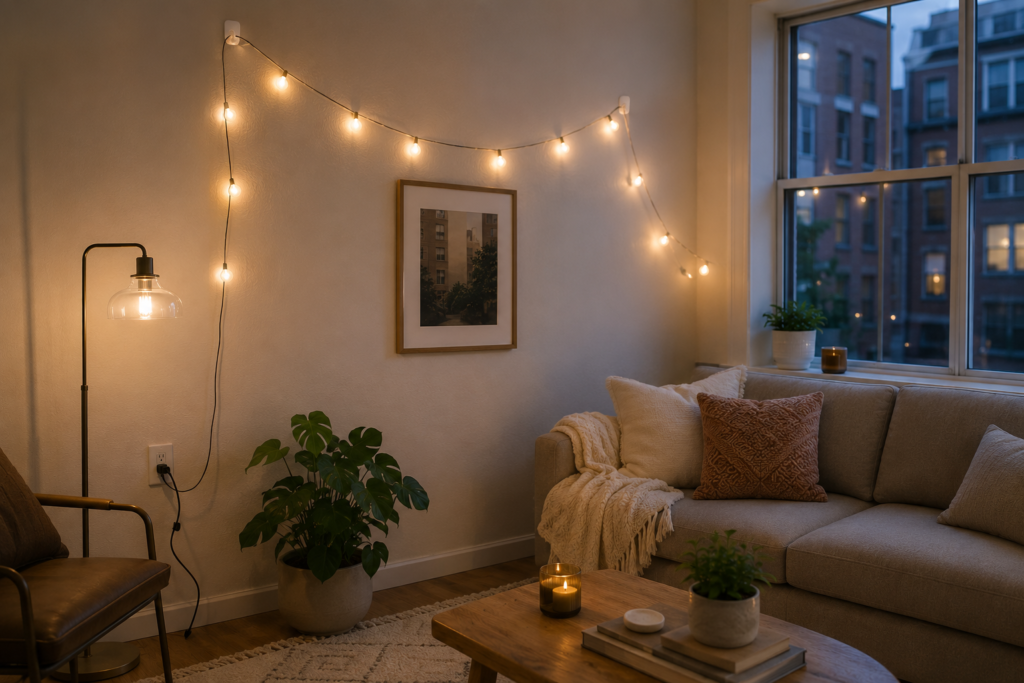
Poor lighting is one of the most common complaints about rental properties, but removable lighting solutions can dramatically improve ambiance without any electrical work or permanent installation. The key is layering different light sources at various heights throughout your space.
Plug-in wall sconces have become increasingly sophisticated, offering the look of hardwired fixtures without any installation. These lights plug into standard outlets and attach to walls using adhesive strips, with the cord either disguised with cord covers or incorporated into the design. Many modern versions include in-line switches or remote controls for convenience.
Battery-operated LED puck lights work wonders in dark closets, under cabinets, or inside bookshelves, adding task lighting exactly where you need it. Newer models last months on a single set of batteries and offer warm or cool light options. Motion-sensor versions work particularly well for closets and pantries.
String lights aren’t just for dorm rooms anymore. Edison bulb strings, globe lights, and fabric lantern strings create ambient lighting while adding personality. Hang them using adhesive hooks, drape them over curtain rods, or weave them through open shelving. For outdoor rental spaces like balconies or patios, solar-powered string lights eliminate the need for outdoor outlets.
Floor and table lamps remain essential for rental lighting, but consider statement pieces that serve as both functional lighting and sculptural decor. Arc floor lamps can hover over seating areas like pendant lights without ceiling installation. Smart bulbs in any lamp add smart closet organization ideas the ability to control brightness and color temperature, letting you customize lighting for different activities and moods.
Safe Removal Tips
The success of damage-free decorating depends not just on installation but on proper removal techniques. Taking time to remove items correctly ensures you’ll get your full security deposit back and leaves the space ready for the next tenant.
For adhesive products like Command hooks and peel-and-stick wallpaper, patience is crucial. Never pull adhesive products straight off the wall, as this can remove paint or damage drywall. Instead, follow manufacturer instructions carefully. For Command products, pull the tab straight down slowly, parallel to the wall, stretching the adhesive until it releases. If resistance occurs, use a hairdryer on low heat to warm the adhesive slightly, making removal easier.
When removing peel-and-stick wallpaper, start from the top corner and pull down slowly at a 45-degree angle. Work in small sections and apply gentle, consistent pressure. If wallpaper resists, use a hairdryer to warm the adhesive—heat reactivates the adhesive temporarily, making removal cleaner. Remove wallpaper when room temperature is moderate, as extreme temperatures can make adhesive either too sticky or too brittle.
For any remaining adhesive residue, use a solution of warm water and dish soap, or try rubbing alcohol for stubborn spots. Goo Gone and similar adhesive removers work well but test in an inconspicuous area first to ensure they won’t affect paint. Always clean gently with a soft cloth rather than scrubbing aggressively.
Tension rods require slow, careful compression to remove. Turn the rod to shorten it rather than just pulling it down, which prevents the spring mechanism from suddenly releasing and potentially damaging walls or window frames. Check wall surfaces after removing any adhesive products or tension items, cleaning any marks with a Magic Eraser or mild cleaner before your final walk-through.
Document everything with photos before you decorate and after you remove items. These photos protect you if there are any disputes about wall conditions. Time your removal for at least a week before move-out to allow yourself time to address any issues that arise.
Frequently Asked Questions
What is the best way to hang heavy pictures without drilling holes?
The most reliable method for hanging heavy pictures without drilling is using heavy-duty adhesive strips like Command Picture Hanging Strips, which can hold up to 16 pounds when multiple strips are used together according to manufacturer specifications. For pieces heavier than that, consider leaning large artwork against the wall on furniture or using freestanding easels. Alternatively, picture rail systems that hang from tension rods mounted between ceiling and floor can support considerable weight without any wall penetration. Always follow weight limits carefully and use more strips than you think necessary for added security.
Can peel-and-stick wallpaper really be removed without damaging paint?
Yes, quality peel-and-stick wallpaper can be removed without damaging paint when applied and removed correctly. The key factors are: using wallpaper specifically labeled as “removable” from reputable brands, applying it to properly cured paint (wait at least 30 days after painting), ensuring walls are clean and smooth before application, and removing it slowly at the proper angle while using gentle heat if needed. Testing a small section in a hidden area before covering an entire wall is always recommended. Low-quality wallpaper or incorrect removal techniques can damage paint, so product selection and following instructions matter significantly.
Are there any temporary flooring options for rentals?
Yes, several temporary flooring options work well for rentals. Peel-and-stick vinyl tiles and planks have improved dramatically in quality and appearance, offering wood-look and tile-look options that can be removed later. These work best over smooth existing flooring like old vinyl or tile. For carpet coverage, large area rugs are the simplest solution. Removable carpet tiles with non-slip backing offer wall-to-wall coverage that can be taken with you. Interlocking foam tiles work well for specific areas like playrooms or home gyms. For more elaborate transformations, some renters install floating floor systems over existing flooring without adhesive, though this requires more investment and careful installation.
How can I add personality to my rental kitchen without renovating?
Transform your rental kitchen through removable solutions: apply peel-and-stick backsplash tiles for instant visual impact, use removable wallpaper on accent walls or inside open cabinets, swap out cabinet hardware with knobs and pulls you love (keeping the originals to reinstall later), add open shelving using adhesive brackets to display dishes and decor, introduce a portable kitchen island for extra storage and counter space, update lighting with plug-in pendant lights or under-cabinet LED strips, use contact paper to line drawers or cover dated countertops temporarily, and bring in colorful textiles through dish towels, rugs, and window treatments. These changes create dramatic impact without permanent modifications.
What are some renter-friendly ways to improve lighting?
Improve rental lighting through multiple layered approaches: add plug-in wall sconces using adhesive mounting for ambient light, incorporate floor and table lamps in dark corners, use LED strip lights under cabinets or along shelves powered by adhesive-mounted battery packs or plugged into outlets, install smart bulbs in existing fixtures to control brightness and color temperature, hang string lights or pendant lights from adhesive hooks, place battery-operated puck lights in closets and dark spaces, use mirrors strategically to reflect and amplify existing light, and choose light-colored lampshades that diffuse light better. Combining several of these solutions creates comprehensive lighting improvement without any electrical work or permanent installation.
Conclusion
Creating a personalized, stylish rental space without risking your security deposit is entirely achievable with the right products and techniques. By focusing on temporary, reversible solutions like peel-and-stick wallpaper, adhesive hooks, freestanding furniture, and removable lighting, you can transform even the blandest rental into a reflection of your personal style. The key is investing in quality products specifically designed for damage-free removal, following installation instructions carefully, and taking time during removal to ensure walls and surfaces remain intact. With these 25 renter-friendly decor ideas, you can enjoy a home that feels truly yours while maintaining the flexibility to move on when your lease ends—with your security deposit and your decor moving with you.
