Healthy Meal Prep for Beginners: A Simple 5-Day Plan
Meal prepping doesn’t have to be overwhelming or time-consuming. If you’re new to preparing your meals in advance, the key to success lies in starting simple and building confidence with each batch you make. This comprehensive guide walks you through a straightforward 5-day meal prep plan designed specifically for absolute beginners, complete with practical tips, specific meal ideas, and all the essential information you need to get started on your journey toward healthier eating habits.
Choose Your Meals
The foundation of successful meal prep starts with selecting the right meals. As a beginner, you’ll want to focus on recipes that are simple to execute, use overlapping ingredients, and reheat well throughout the week. Start by choosing just one or two meals to prep rather than planning every single meal and snack, which can quickly become overwhelming.
Consider your weekly schedule when selecting meals. If you have busy mornings, prioritize breakfast prep. If lunch is your biggest challenge, focus there first. The beauty of meal prepping is that you can customize it to fit your specific needs and start an indoor herb garden lifestyle requirements.
Look for recipes with five to seven ingredients that don’t require advanced cooking techniques. Dishes like grain bowls, sheet pan meals, and simple protein-vegetable combinations are perfect starting points. Avoid recipes with complicated sauces or those that require precise timing until you’re more comfortable with the process.
Build Balanced Plates
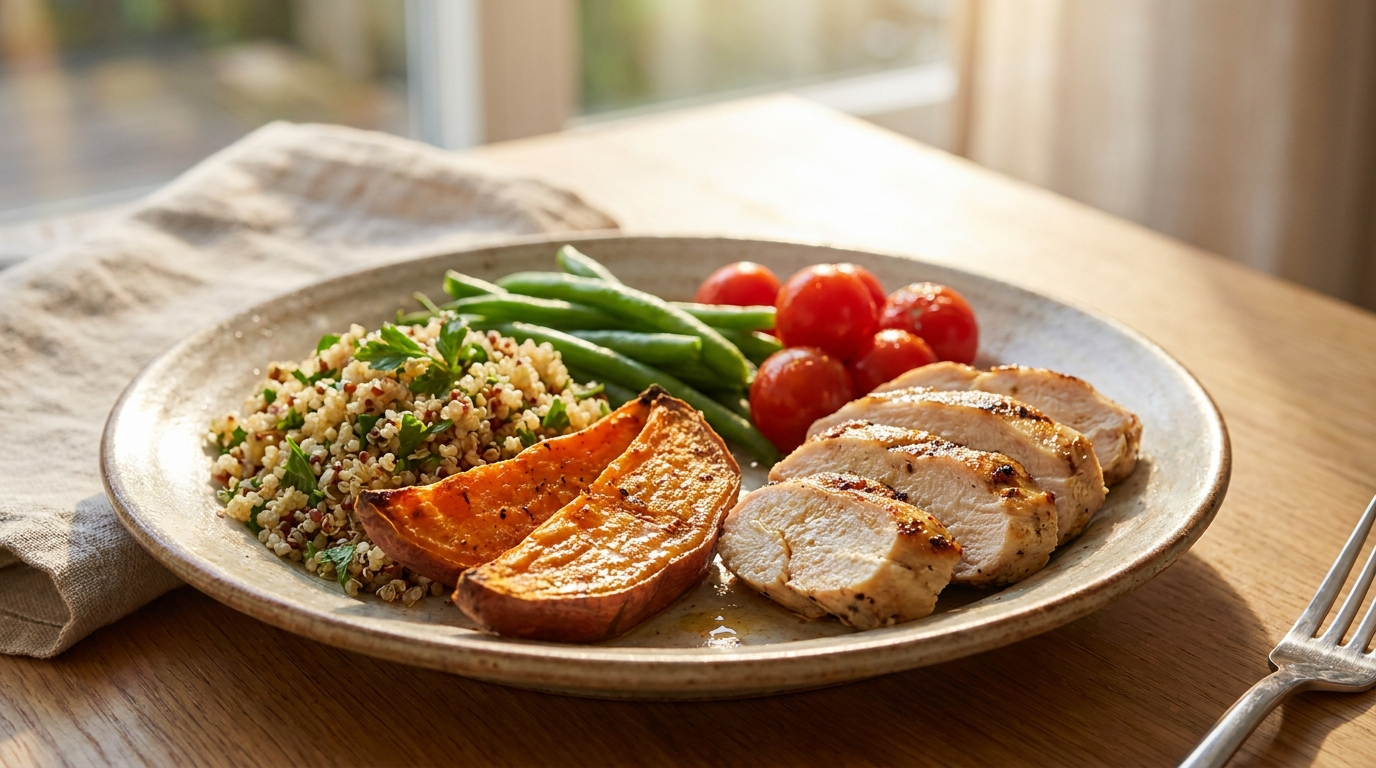
Creating nutritionally balanced meals ensures you’re fueling your body properly while maintaining energy levels throughout the day. The USDA’s MyPlate model provides an excellent framework for beginners. According to ChooseMyPlate.gov, a balanced plate should include approximately half fruits and vegetables, a quarter lean protein, and a quarter whole grains, plus a serving of dairy or dairy alternative.
When building your meal prep plates, aim for this balanced ratio:
This balanced approach helps stabilize blood sugar, keeps you satisfied longer, and provides the nutrients your body needs to function optimally.
Create a Shopping List
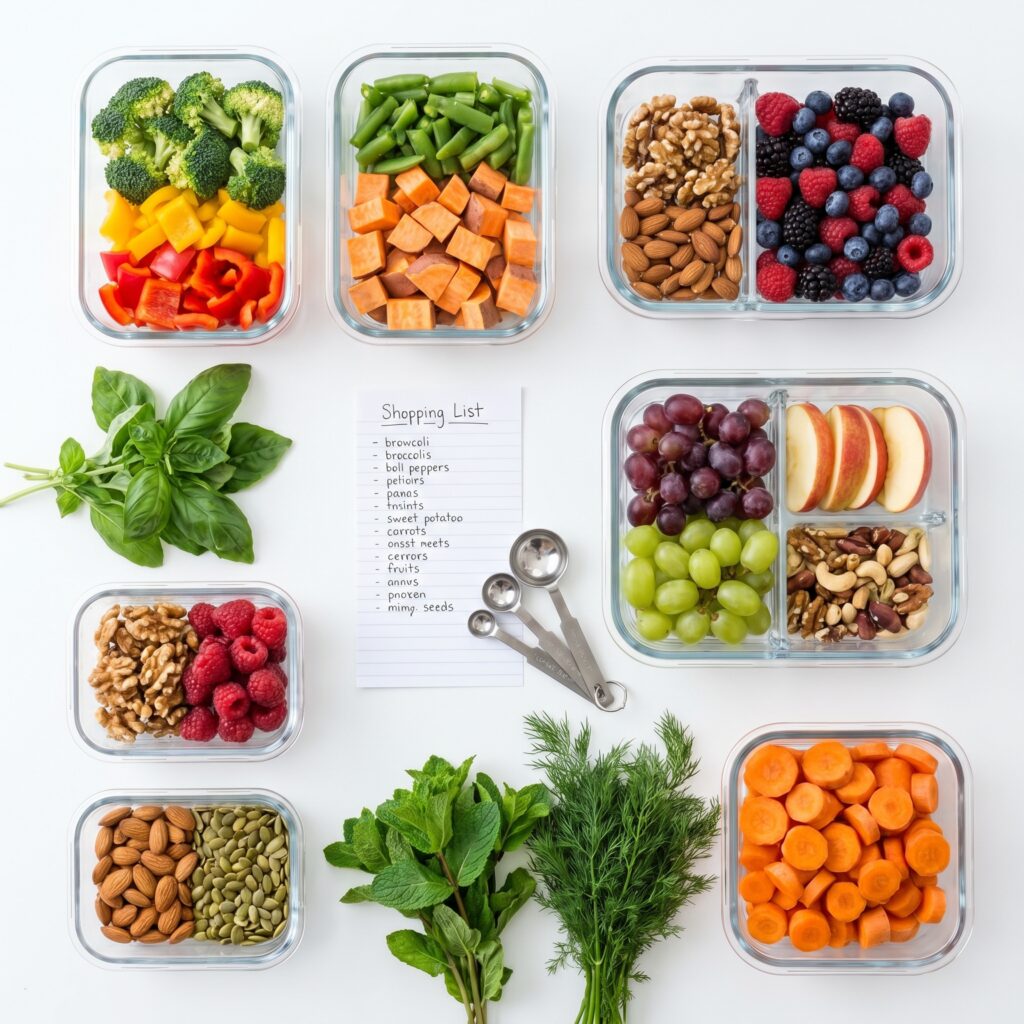
A well-organized shopping list is your roadmap to efficient meal prep. Once you’ve chosen your meals for the week, write down every ingredient you’ll need, checking your pantry first to avoid purchasing duplicates.
Organize your list by store sections (produce, meat, dairy, pantry staples) to make shopping faster and more efficient. Here’s a sample shopping list for the 5-day plan outlined later in this article:
Proteins:
Vegetables:
Grains:
Fruits:
Dairy/Alternatives:
Pantry Staples:
Buy ingredients that work across multiple meals to minimize waste and reduce costs. For example, bell peppers can appear in breakfast scrambles, lunch bowls, and dinner stir-fries.
Prepare Ingredients
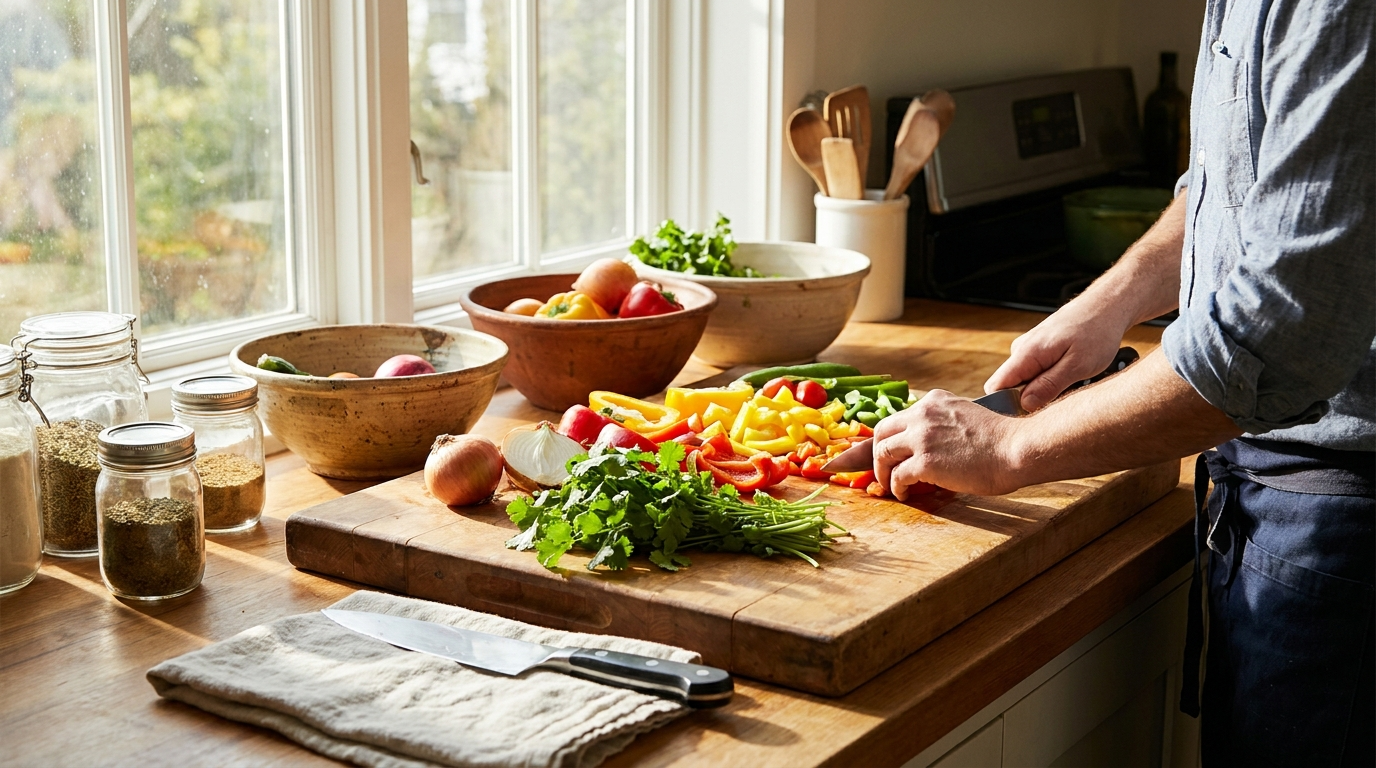
Dedicate 2-3 hours on your chosen prep day (Sunday works well for most people) to prepare your ingredients and meals. The key is working efficiently by multitasking when possible.
Start with tasks that take the longest. Put your grains on to cook while you’re prepping vegetables. While the oven preheats for roasting vegetables or baking protein, you can chop and measure other ingredients.
Efficient prep sequence:
1. Start grains cooking: Rice, quinoa, or other grains can simmer while you work on other tasks 2. Prep proteins: Season and cook chicken, boil eggs, or prepare your chosen protein source 3. Wash and chop vegetables: Cut everything you’ll need for the week 4. Roast vegetables: Use sheet pans to roast multiple vegetables at once 5. Prepare breakfast components: Portion overnight oats, make egg muffins, or prep smoothie bags 6. Assemble meals: Once everything is cooked and cooled slightly, portion into containers
Remember that not everything needs to be fully cooked during prep. You can wash and chop vegetables, marinate proteins, or pre-measure ingredients to indoor herb garden tips speed up cooking later in the week.
Store Food Safely
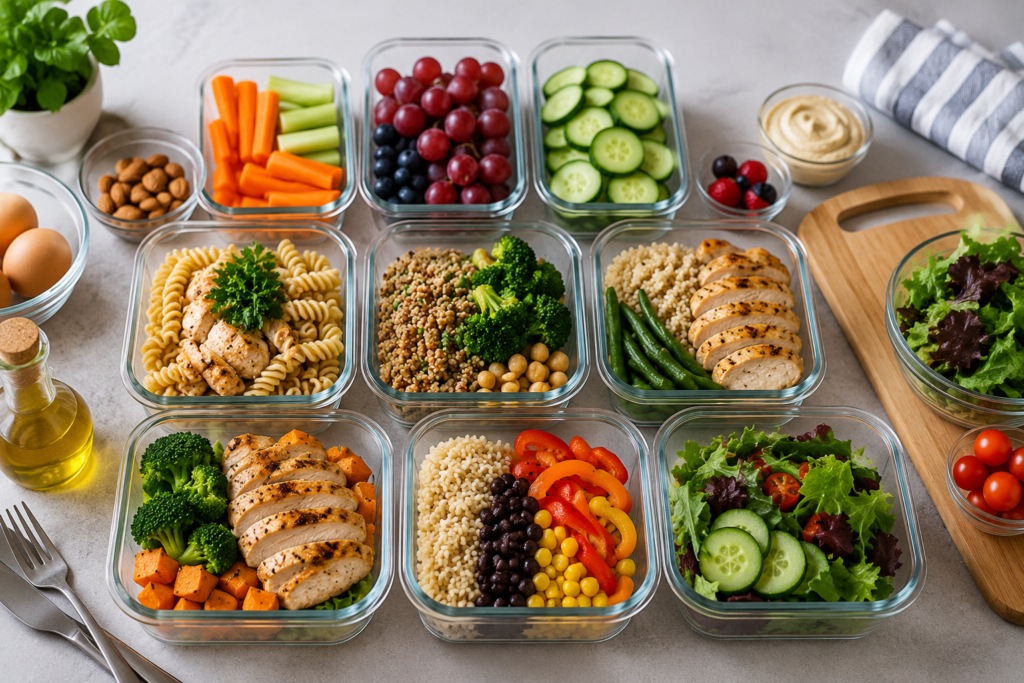
Proper food storage is crucial for maintaining freshness, preventing foodborne illness, and ensuring your meal prep efforts don’t go to waste. According to the FDA’s safe food handling guidelines, cooked food should be refrigerated within two hours of cooking.
Allow hot food to cool for about 30 minutes before sealing containers and refrigerating. Storing food while it’s still steaming can create excess moisture and promote bacterial growth. However, don’t leave food at room temperature for more than two hours.
Storage best practices:
Container recommendations:
While you don’t need expensive containers, invest in a few quality options:
Sample Breakfasts
Breakfast is often the easiest meal to prep in advance. Here are five simple breakfast ideas for your first week:
Day 1: Overnight Oats with Berries
Mix all ingredients in a jar or container, refrigerate overnight, and eat cold or warmed up.
Day 2: Veggie Egg Muffins
Bake in muffin tins at 350°F for 20-25 minutes. Store 2-3 muffins per serving.
Day 3: Greek Yogurt Parfait
Layer in a container with granola stored separately to maintain crunch.
Day 4: Peanut Butter Banana Overnight Oats
Day 5: Scrambled Egg Breakfast Burrito
Wrap tightly in foil and refrigerate. Reheat in microwave for 60-90 seconds.
Easy substitutions: Swap berries for diced apples, use almond butter instead of peanut butter, replace cow’s milk with almond or oat milk, or use egg whites instead of whole eggs.
Sample Lunches and Dinners
These lunch and dinner combinations use overlapping ingredients to simplify shopping and preparation:
Day 1: Mediterranean Chicken Bowl
Day 2: Turkey Taco Bowl
Day 3: Honey Garlic Chicken with Sweet Potato
Day 4: Chicken Stir-Fry
Day 5: Turkey and Veggie Sheet Pan
Storage tip: Keep sauces and growing fresh herbs dressings in small separate containers to add just before eating, preventing soggy meals.
Easy substitutions: Replace chicken with tofu or chickpeas for vegetarian options, swap brown rice for quinoa or cauliflower rice, use ground beef instead of turkey, or substitute any vegetables based on preference or what’s on sale.
Meal Prep Mistakes
Avoiding common pitfalls will help ensure your meal prep experience is positive and sustainable:
Mistake #1: Preparing too much at once Start with just 3-5 days of meals rather than a full week. This prevents burnout and reduces the risk of food waste if you discover certain meals don’t reheat well or you don’t enjoy them as much as expected.
Mistake #2: Choosing complicated recipes Save elaborate dishes for fresh cooking nights. Meal prep should feature simple, proven recipes with minimal ingredients and steps.
Mistake #3: Not considering texture changes Some foods don’t reheat well. Avoid meal prepping crispy foods, cream-based sauces that separate, or delicate greens that wilt. Stick to heartier vegetables and proteins that maintain their texture.
Mistake #4: Forgetting to season properly Underseason slightly during prep since flavors concentrate over time. Keep additional seasonings, hot sauce, or fresh herbs on hand to brighten up meals before eating.
Mistake #5: Skipping the cooling step Never put hot food directly into sealed containers in the refrigerator. This creates condensation, promotes bacterial growth, and can make food soggy.
Mistake #6: Not planning for variety Use different cooking methods, seasonings, and cuisines throughout the week to prevent boredom. Even using the same protein and vegetables, you can create varied meals with different spices and preparations.
Mistake #7: Ignoring proper storage times Most cooked foods last 3-4 days in the refrigerator. If you’re prepping for longer, freeze meals you won’t eat in the first few days.
Frequently Asked Questions
How long does meal-prepped food usually last in the fridge?
Most cooked meal-prepped foods stay fresh for 3-4 days when stored properly in airtight containers at 40°F or below. Foods with higher moisture content or dairy-based sauces may only last 2-3 days, while grain-based dishes often last up to 5 days. Always check for signs of spoilage like off odors, discoloration, or unusual texture before consuming. If you want your meals to last longer, freeze portions you won’t eat within four days.
Do I need special containers for meal prepping?
You don’t need expensive specialized containers to start meal prepping. Any airtight, food-safe containers will work, including repurposed glass jars or plastic containers you already own. That said, investing in a set of quality containers can make the process more convenient. Look for microwave-safe, dishwasher-safe options that won’t stain or retain odors. Glass containers are ideal because they’re durable and versatile, while BPA-free plastic containers are lightweight and affordable. Divided containers are helpful for keeping foods separated.
What are the cheapest healthy foods for meal prep?
The most budget-friendly healthy meal prep foods include eggs (excellent protein source), dried beans and lentils, brown rice, oats, frozen vegetables, canned tuna or salmon, whole chickens (more economical than buying just breasts), seasonal produce, bananas, peanut butter, Greek yogurt in large containers, and sweet potatoes. Buying in bulk, choosing store brands, and selecting produce that’s in season can significantly reduce your grocery costs while maintaining nutritional quality.
Can I freeze meal-prepped meals, and for how long?
Yes, many meal-prepped dishes freeze beautifully and can be stored for 2-3 months in the freezer. Casseroles, soups, stews, cooked grains, marinated proteins, and most cooked vegetables freeze well. Use freezer-safe containers or bags, remove as much air as possible, and label with contents and date. To reheat, thaw overnight in the refrigerator and warm thoroughly. Avoid freezing foods with high water content like lettuce, cucumber, or cream-based sauces, as they don’t maintain their texture well after freezing.
How do I keep my meal prep from getting boring?
Prevent meal prep boredom by rotating your recipes every 2-3 weeks, experimenting with different cuisines and flavor profiles, keeping a variety of sauces and seasonings on hand to change up flavors, preparing base ingredients (proteins, grains, vegetables) that you can mix and match throughout the week, adding fresh toppings before eating (herbs, avocado, nuts), and maintaining a “formula” approach where you swap ingredients while keeping the meal structure the same. Also, don’t prep every single meal—leave some room for spontaneous cooking or dining out to maintain your enthusiasm.
Final Thoughts
Healthy meal prep for beginners doesn’t require professional cooking skills or hours of free time. By starting with this simple 5-day plan, you’ll build the foundation for a sustainable meal prep routine that saves time, reduces stress, and helps you maintain healthier eating habits. Remember that perfection isn’t the goal—consistency is. Even preparing just a few meals in advance will make a noticeable difference in your week.
As you gain confidence, you can gradually expand your meal prep repertoire, experiment with new recipes, and develop a system that works perfectly for your lifestyle and preferences. The key is starting simple, learning from each prep session, and adjusting your approach based on what works best for you. With these practical strategies, specific meal ideas, and helpful tips, you’re fully equipped to begin your meal prep journey today.
