15 Ways to Look More Polished Without Spending More
Want to know How to Dress Expensive on a Budget? Looking expensive doesn’t require an expensive wardrobe. The secret to appearing polished and put-together lies not in the price tags of your clothing, but in how you wear, care for, and style what you already own. While luxury brands certainly have their appeal, the most stylish people understand that true elegance comes from attention to detail, proper fit, and thoughtful presentation.
The psychology behind looking expensive is fascinating. Our brains associate certain visual cues—clean lines, well-maintained fabrics, coordinated colors, and proper fit—with quality and sophistication. When you master these elements, you create an impression of refinement regardless of where your clothes came from. Understanding fashion history reveals that timeless style has always prioritized these foundational principles over fleeting trends.
The good news? Achieving this polished look is entirely achievable on any budget. It simply requires shifting your focus from quantity to quality of presentation, and from impulse purchases to strategic wardrobe decisions. Let’s explore fifteen practical ways to elevate your style without expanding your spending.
Choose Better-Fitting Clothes
The single most transformative factor in looking expensive is fit. A perfectly fitted $30 shirt will always look better than a poorly fitted $300 one. Ill-fitting clothes immediately signal carelessness, while clothes that skim your body in all the right places create an impression of custom tailoring and attention to detail.
When shopping, pay attention to how garments sit on your shoulders, whether sleeves end at the right point on your wrist, and how pants break at your ankle. Shoulders should align with your natural shoulder line without drooping or pulling. Sleeves should end at your wrist bone, and pants should have minimal to no break at the shoe.
For shirts and blouses, ensure they don’t pull across the chest or gape between buttons. The garment should follow your body’s lines without clinging or billowing excessively. If something is almost perfect but slightly off in one area, consider whether tailoring could fix it before purchasing.
Try on multiple sizes and don’t get emotionally attached to a number. Sizing varies wildly between brands, and what matters is how the garment looks on your body, not the tag inside. Sometimes sizing up and having something tailored down creates better proportions than forcing yourself into a smaller size.
Build Neutral Outfits
Neutral color palettes are the foundation of expensive-looking wardrobes. Black, white, navy, gray, beige, and camel create a sophisticated canvas that appears intentional and curated. These colors are inherently elegant and make mixing and matching effortless, extending the versatility of your wardrobe exponentially.
When you build outfits around neutrals, you create a cohesive look that appears thoughtfully assembled rather than randomly thrown together. This doesn’t mean your wardrobe needs to be boring—neutrals provide the perfect backdrop for statement accessories or a single pop of color, which actually appears more striking against a neutral palette.
Start by ensuring your largest wardrobe pieces (coats, blazers, pants, and dresses) are in neutral tones. This strategy allows you to create numerous outfits from fewer pieces, which is essential when working with a limited budget and also contributes to looking more polished on a daily refined layering home trend basis.
Neutral dressing also has a slimming effect and photographs beautifully. It creates clean lines that aren’t interrupted by busy patterns or clashing colors. As you develop your personal style, you can introduce accent colors strategically, but the neutral foundation will always serve you well.
Improve Clothing Care
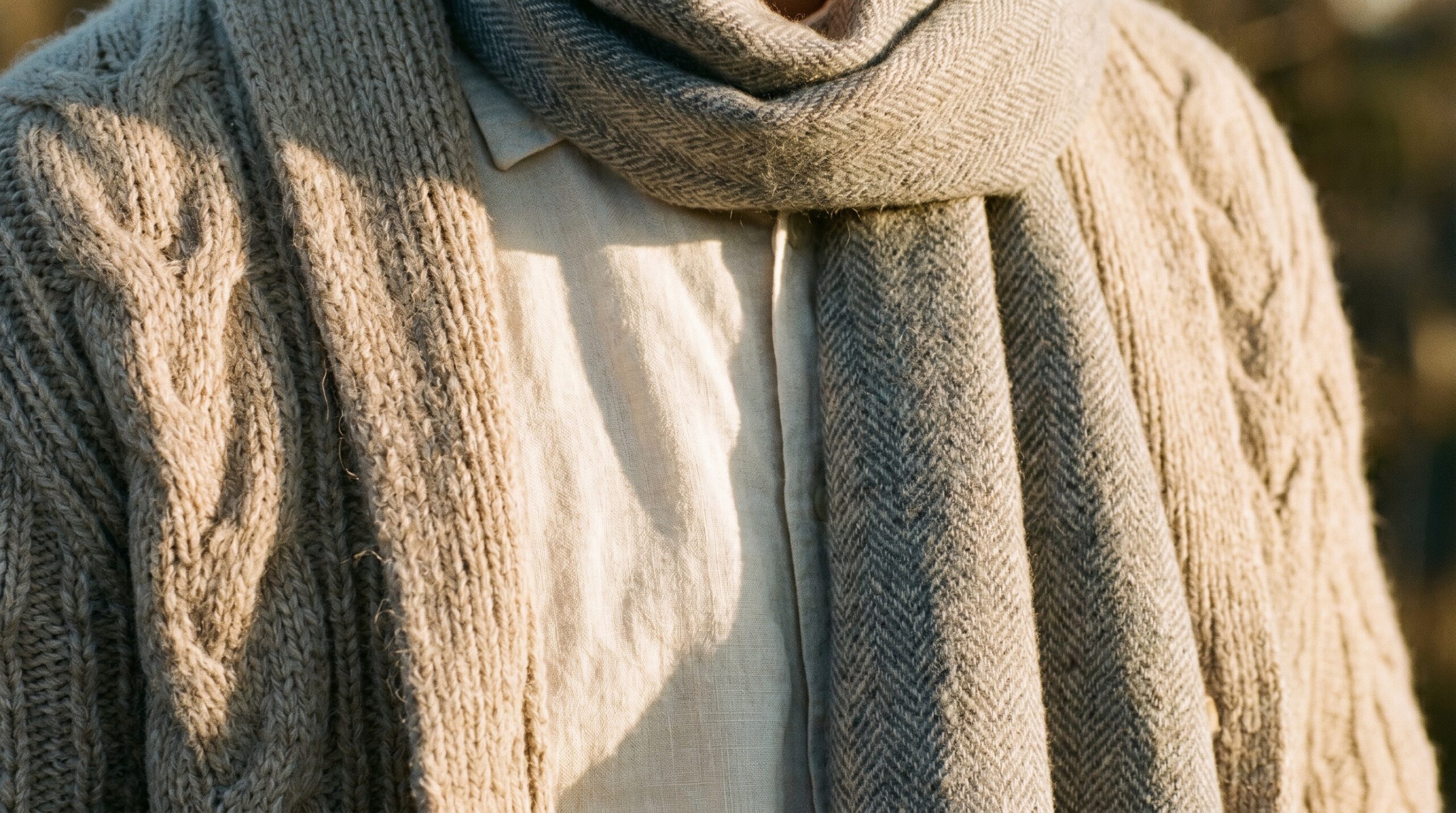
How you care for your clothes dramatically impacts their appearance and longevity. Even high-quality garments look cheap when they’re wrinkled, pilled, or stained. Conversely, budget-friendly pieces maintain their appeal much longer when properly maintained.
Invest in a quality steamer or iron and use it regularly. Wrinkled clothing is perhaps the fastest way to look unkempt and careless. Take five minutes before wearing something to ensure it’s crisp and fresh. This small habit makes an enormous difference in your overall presentation.
Learn proper washing techniques for different fabrics. Not everything needs to go in the dryer—in fact, air-drying extends the life of most garments significantly. Turn dark clothes inside out before washing to prevent fading. Use mesh bags for delicates. These simple practices keep your clothes looking newer for longer.
Address issues immediately. Remove a pill as soon as you notice it with a fabric shaver. Treat stains promptly rather than letting them set. Sew on loose buttons before they fall off. These small maintenance tasks prevent minor issues from becoming major ones and keep your wardrobe looking cared-for and expensive.
Store clothes properly. Use appropriate hangers (wooden or padded for structured items, velvet for slippery fabrics), fold knits to prevent stretching, and give garments room to breathe in your closet. Proper storage prevents unnecessary wear and keeps clothes in better condition.
Use Simple Accessories
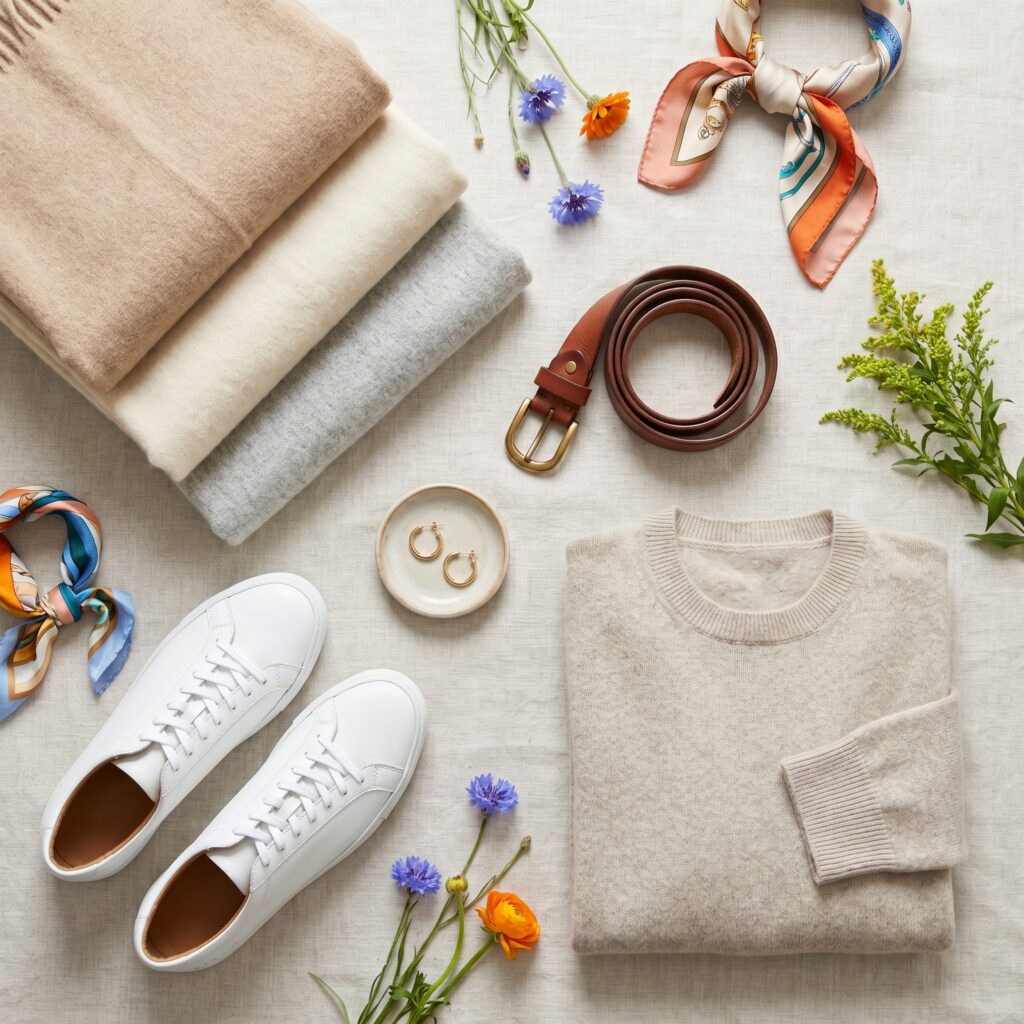
Accessories can make or break an expensive look. The key is restraint and quality over quantity. A few well-chosen, simple accessories create sophistication, while too many—or overly trendy pieces—can cheapen an otherwise polished outfit.
Focus on classic, minimal jewelry in one metal tone. Delicate gold or silver chains, simple stud earrings, and an understated watch create elegance without overwhelm. Avoid anything too costume-y, overly embellished, or obviously plastic. When selecting accessories, consider whether they enhance your outfit or compete with it for easy 9 step skin care attention.
A quality leather belt in black and brown covers most needs. Ensure the hardware isn’t overly shiny or cheap-looking—brushed or matte finishes typically appear more expensive than super-shiny metals. The belt should fit properly, with the buckle fastening in the center holes, not at the very end or beginning.
Bags deserve special attention as they’re highly visible and communicate a lot about your overall style. A simple, structured bag in leather or a quality leather-look material will always appear more expensive than trendy, overly embellished options. Classic shapes like totes, satchels, and crossbody bags in neutral colors offer versatility and timelessness.
Select Better Fabrics
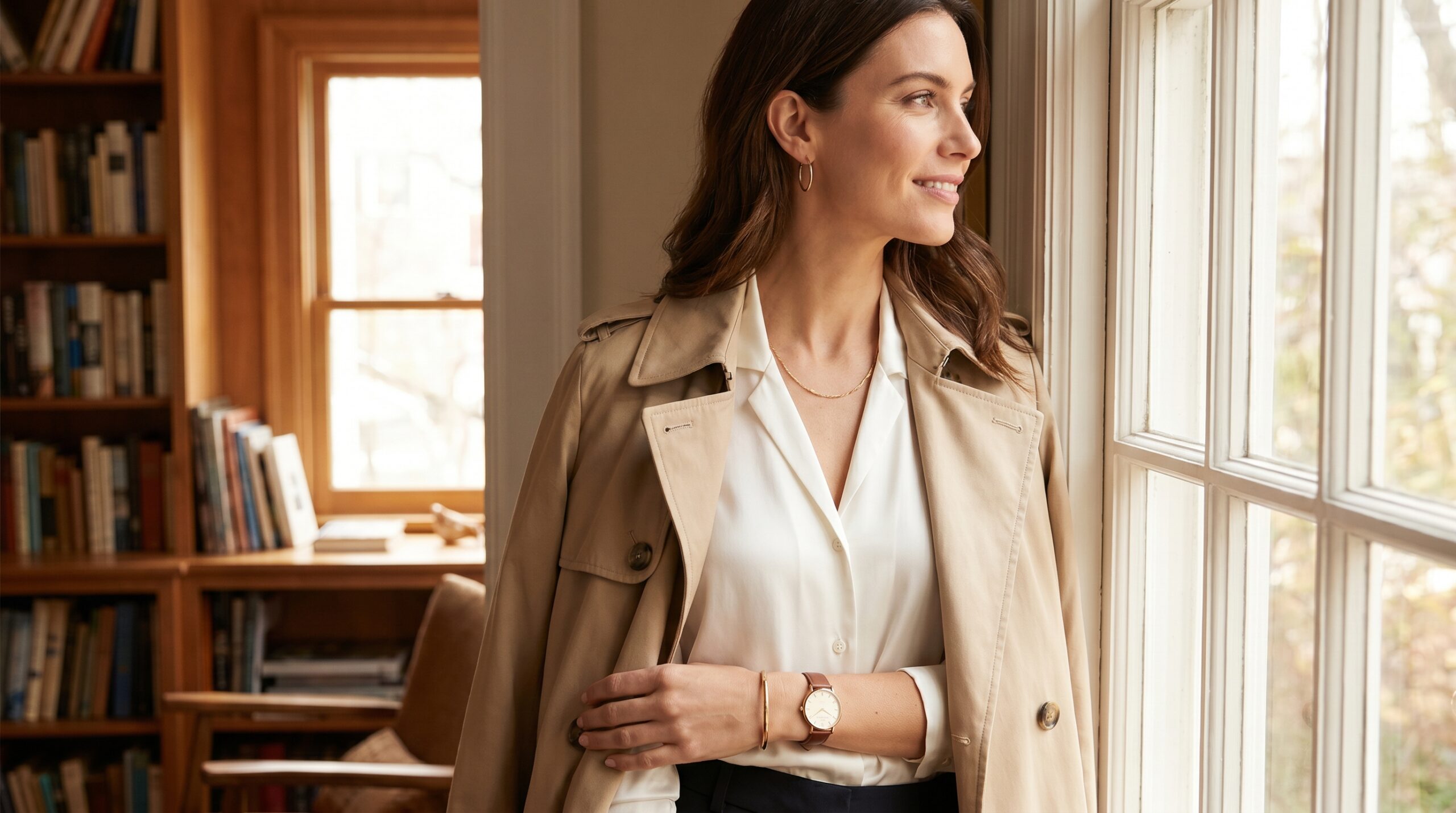
Fabric quality significantly impacts how expensive something looks. Certain materials inherently appear more luxurious, while others immediately signal budget-friendly origins. Learning to identify and prioritize better fabrics transforms your shopping strategy.
Avoid overly synthetic, shiny fabrics that look plasticky. While not all synthetics are bad—many modern blends perform beautifully—extremely shiny polyester, cheap-looking satin, and thin, see-through materials rarely look expensive. When something catches light in an artificial, almost reflective way, it typically reads as cheap.
Seek out natural fibers when possible: cotton, linen, wool, and silk. These materials age beautifully, breathe better, and drape more naturally on the body. If budget constraints make pure natural fibers difficult, look for high-percentage blends (like 80% cotton, 20% polyester) that maintain the better qualities of natural fibers while adding durability.
Pay attention to fabric weight. Flimsy, thin materials that you can see through rarely look expensive. Heavier, more substantial fabrics with body typically appear higher quality. Test this by feeling the fabric between your fingers—it should feel substantial, not papery or excessively lightweight.
Examine the fabric’s texture and finish. Smooth, even weaves look more refined than irregular, fuzzy surfaces. Check for pilling tendency by rubbing the fabric against itself—if it immediately starts fuzzing, it will look worn quickly. Understanding budgeting principles helps you allocate funds toward better fabric quality where it matters most.
Tailor Affordable Pieces
Tailoring is your secret weapon for making budget-friendly clothing look custom-made. Even simple alterations transform off-the-rack pieces into garments that appear exponentially more expensive. Many people skip this step, thinking tailoring is only for luxury items, but it’s actually where affordable clothing receives the biggest transformation.
Hemming pants is perhaps the most impactful alteration. Proper length creates clean lines and proper proportions. Whether you prefer a slight break, no break, or cropped styles, having pants hemmed to your exact height makes an enormous difference. This typically costs $10-20 and completely changes how professional and polished you appear.
Taking in or letting out waistbands, tapering pant legs, shortening or lengthening sleeves, and adjusting shoulder seams are all relatively affordable alterations that dramatically improve fit. A blazer taken in at the waist creates a custom-tailored silhouette that looks far more expensive than its original price tag.
When shopping with tailoring in mind, focus on finding pieces that fit well in areas that are difficult to alter (shoulders, chest, hips) and plan to adjust everything else. This strategy opens up many more options and allows you to purchase items that might not fit perfectly off the rack but have potential with minor adjustments.
Build a relationship with a good tailor. Ask friends for recommendations or read reviews carefully. A skilled tailor can work magic on budget pieces, while a poor one can ruin even quality garments. The investment in alterations pays dividends in how polished and put-together you consistently appear.
Keep Shoes Clean
Shoes are one of the first things people notice, and dirty, scuffed, or worn-out shoes undermine even the most expensive outfit. Conversely, clean, well-maintained shoes elevate your entire look and signal attention to detail and self-respect.
Clean your shoes regularly—not just occasionally, but as part of your routine. Wipe down leather shoes after each wear to remove dirt and dust. Use appropriate cleaners for different materials: leather cleaner and conditioner for leather, special cleaners for suede, and appropriate products for canvas or synthetic materials. This regular maintenance prevents buildup and keeps shoes looking newer longer.
Polish leather shoes regularly. This doesn’t require professional equipment—a simple kit with polish, brushes, and cloths suffices for maintaining a professional shine. Polished shoes immediately appear more expensive and well-cared-for than dull, neglected ones.
Replace worn heels and soles before they become obviously damaged. This relatively inexpensive repair extends the life of shoes significantly and maintains their appearance. Worn-down heels or soles with holes instantly cheapen your look, regardless of how expensive the shoes originally were.
Store shoes properly using shoe trees for leather shoes (which maintain shape and absorb moisture) and organizing them so they’re not crushed or deformed. Give shoes rest between wears to allow them to dry and air out. Rotating between multiple pairs extends the life of all your shoes and ensures you always have clean, presentable options available for when you need to look summer skincare routine polished.
Shopping Mistakes to Avoid
How and what you buy matters as much as how you style and maintain your wardrobe. Avoiding common shopping mistakes keeps your wardrobe functional, cohesive, and expensive-looking without requiring a larger budget.
Don’t shop impulsively. Impulse purchases often don’t coordinate with your existing wardrobe, don’t fit quite right, or seemed appealing in the moment but don’t suit your lifestyle. Before purchasing anything, ask yourself: Where will I wear this? What do I already own that this works with? Does this fit my style and the image I want to project?
Avoid excessive trend-chasing. While incorporating some current elements keeps your style fresh, building your wardrobe on trends guarantees it will look dated quickly. Instead, focus on timeless pieces and add trendy elements sparingly through accessories or inexpensive items you won’t feel bad retiring after one season.
Don’t sacrifice quality for quantity. Five poorly made shirts that pill after three washes aren’t a better value than two well-made shirts that last for years. This doesn’t mean everything needs to be expensive, but prioritize better quality over having more items. A smaller wardrobe of well-made pieces that fit properly always looks more expensive than a closet full of ill-fitting, poor-quality items.
Resist items that require special care you won’t actually provide. If you won’t hand-wash or dry-clean something regularly, don’t buy it. It will either get ruined in regular washing or sit unworn in your closet. Both outcomes waste money and defeat the purpose of building a functional, expensive-looking wardrobe.
Avoid anything with visible branding or logos. Ironically, obviously branded items often look less expensive than understated, logo-free pieces. Quiet luxury—clothing without obvious branding—appears more sophisticated and expensive. Save money by avoiding the logo tax and appear more refined in the process.
Don’t overlook secondhand and consignment options. Thrift stores, consignment shops, and online resale platforms offer high-quality pieces at fraction of retail prices. You can find better fabrics and construction in secondhand designer or quality brands than in new fast fashion at similar price points.
Frequently Asked Questions
What are the absolute must-have wardrobe staples for looking expensive on a budget?
The essential foundation includes well-fitting dark wash jeans, tailored black pants, a white button-down shirt, a quality blazer in navy or black, a simple black dress, a neutral trench coat or wool coat, and classic leather shoes in neutral colors. These versatile pieces form countless outfits and are worth investing in proper fit and reasonable quality.
Add simple accessories like a leather watch, delicate jewelry, and a structured bag in a neutral tone. This capsule wardrobe creates an expensive-looking foundation that works for multiple occasions and can be expanded over time.
Can I really make fast fashion look high-end?
Yes, with the right strategies. The key is being extremely selective about what you buy from fast fashion retailers. Choose pieces in better fabrics (avoid shiny synthetics), stick to classic cuts rather than trendy styles, and prioritize neutral colors. After purchasing, immediately improve the look through proper fit—have items tailored if needed—and impeccable care. Steaming, proper washing, and maintenance make enormous differences. Remove tags, loose threads, and any cheap-looking details. However, recognize that fast fashion has limitations, so supplement with some higher-quality basics where it matters most (outerwear, shoes, bags) while using fast fashion for trend experiments and less essential pieces.
How do I choose accessories that don’t look cheap?
Focus on simplicity and classic designs. Avoid anything overly trendy, extremely shiny, or heavily embellished. Choose jewelry in one metal tone—mixing metals can work but requires more skill to avoid looking chaotic. Opt for smaller, more delicate pieces rather than large statement jewelry.
For bags, structured shapes in solid colors appear more expensive than slouchy, overly detailed options. Ensure hardware on bags and belts is brushed or matte rather than super shiny. Real leather or quality faux leather always looks better than plastic or cheap synthetic materials. When in doubt, less is more—one great simple accessory looks far more expensive than multiple trendy, flashy pieces worn together.
What’s the most impactful change I can make to my wardrobe without spending money?
Organize, edit, and improve care immediately. Go through your closet and remove everything that doesn’t fit properly, is damaged beyond simple repair, or doesn’t align with the polished image you want to create. Then, properly care for what remains—wash, steam, make minor repairs, and organize everything so you can actually see what you own.
Try on combinations you haven’t considered before, focusing on neutral pieces. Often, people own the components of great outfits but never put them together. This process costs nothing but time and immediately makes your daily dressing more polished. Taking proper care of fewer, better pieces always looks more expensive than neglecting a closet full of mediocre items.
Is it better to buy a few expensive items or many cheap ones?
For looking expensive on a budget, the strategic approach is investing more in visible, foundational pieces while spending less on others. Prioritize quality for outerwear (coats, jackets), shoes, and bags—these items are highly visible, harder to fake quality, and impact your overall look significantly.
You can afford to spend less on basics worn under other layers, like simple t-shirts and tanks. However, “expensive” doesn’t always mean designer brands—it means good fabric, construction, and fit. Often, mid-range brands offer much better value than either luxury brands or ultra-cheap fast fashion. The goal is building a smaller, cohesive wardrobe of well-made pieces that fit properly rather than a large collection of poor-quality items. Quality over quantity consistently creates a more expensive appearance.
Final Thoughts
Looking expensive on a budget isn’t about deception or pretending to be something you’re not. It’s about presenting yourself with care, intention, and respect for your appearance. The most polished people understand that true style comes from foundational principles—proper fit, quality fabrics, thoughtful maintenance, and strategic choices—rather than price tags or brand names.
Implementing these fifteen strategies doesn’t require a complete wardrobe overhaul or significant financial investment. Start with one or two areas: perhaps improving how you care for clothes or having a few key pieces tailored. As these habits become routine, add others gradually. The cumulative effect of multiple small improvements creates significant transformation in how expensive and polished you appear.
Remember that confidence plays an enormous role in how you present yourself. When you know your clothes fit well, are clean and pressed, and create a cohesive look, you naturally carry yourself differently. That confidence—combined with the practical strategies outlined here—creates an impression of sophistication and polish that no price tag can buy.
Your personal style is a form of self-expression and self-respect. Investing time and attention in how you present yourself pays dividends in how others perceive you and, more importantly, how you feel about yourself. Looking expensive on a budget is entirely achievable—it simply requires shifting focus from quantity and trends to quality of presentation and timeless principles.
