Easy Fashion Hacks to Update Your Wardrobe on a Budget
Easy fashion hacks to update wardrobe can completely transform the way you see your closet without spending a fortune. Tired of staring at a closet full of clothes but feeling like you have nothing to wear? You’re not alone. The secret to a fresh, exciting wardrobe isn’t necessarily about buying more—it’s about reimagining what you already own. With some creative thinking and a few simple techniques, you can transform tired pieces into statement-makers without breaking the bank. Whether you’re looking to refresh your everyday style or simply want to make the most of your existing collection, these easy fashion hacks will help you rediscover your wardrobe’s potential and express your unique personality through clothing.
Easy Fashion Hacks to Update Wardrobe Without Buying New Clothes
The fashion industry has long promoted the idea that staying stylish means constantly acquiring new pieces. However, a growing movement of conscious fashion enthusiasts is challenging this narrative by embracing creativity and resourcefulness. Reimagining your wardrobe isn’t just about saving money—though that’s certainly a compelling benefit. It’s about developing a more sustainable relationship with fashion, reducing textile waste, and discovering your authentic style through experimentation and personal expression.
When you shift your mindset from consumer to creator, you open up endless possibilities. That plain white t-shirt becomes a canvas for customization. Those jeans that feel dated can be transformed with a simple crop or distress. The slightly-too-long dress can become your new favorite midi with strategic hemming. This approach to fashion cultivates creativity, builds confidence in your personal style choices, and contributes to a more sustainable future. According to research on fashion and sustainability, the environmental impact of our clothing choices is significant, making wardrobe reimagination not just stylish, but responsible. By adopting these easy fashion hacks to update your wardrobe, you’ll discover that the best additions to your closet might already be hanging there.
Master the Art of the Simple Snip & Stitch: DIY Alterations That Transform
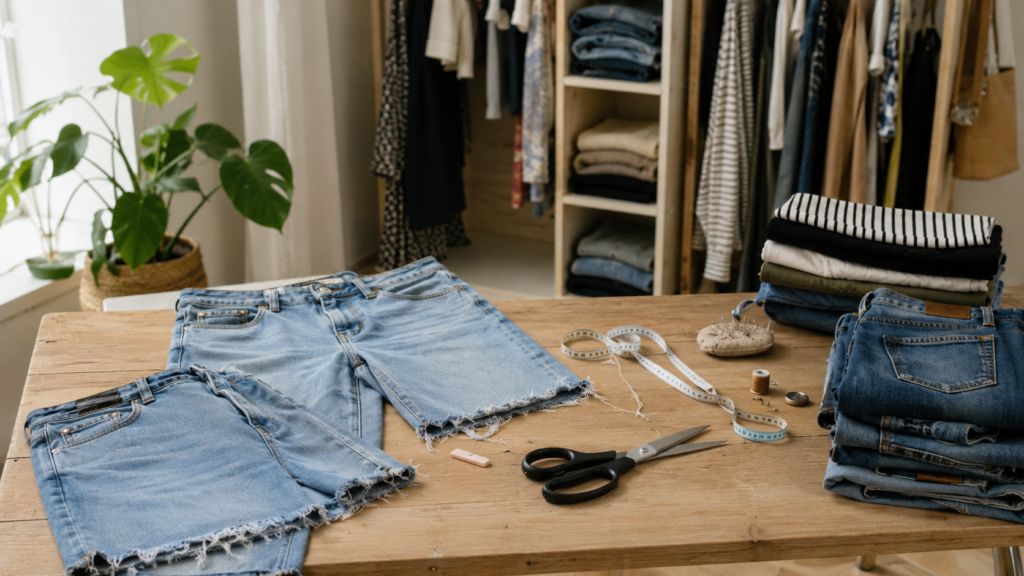
One of the most powerful ways to refresh your wardrobe is through basic alterations. Don’t worry—you don’t need to be a master tailor to achieve stunning results. With minimal tools and basic techniques, you can dramatically transform pieces you thought you’d never wear again.
Hemming and Cropping: The length of a garment can completely change its vibe. Long jeans dragging on the ground? A simple hem (even without sewing—hello, fabric glue and iron-on tape!) can modernize them instantly. Oversized t-shirts can become trendy cropped tops with just scissors and confidence. Mark your desired length with upcycle old outfits chalk or a washable marker, cut straight across, and either leave the raw edge for a casual look or fold and secure with fabric adhesive for a cleaner finish.
Adding Slits and Strategic Cuts: Transform a basic maxi skirt by adding side slits for movement and visual interest. Simply mark where you want the slit to end (typically mid-thigh or knee), cut upward from the hem, and if you want to prevent fraying, apply a tiny bit of clear nail polish or fabric sealant to the top of the slit. This same technique works beautifully on long-sleeve shirts at the cuffs or along the sleeves for a deconstructed aesthetic.
Distressing for Character: Give denim or cotton pieces an intentionally worn look by using sandpaper, a cheese grater, or scissors. Focus on areas that would naturally wear—knees, pockets, hems. Start subtly; you can always add more distressing, but you can’t undo it. For frayed edges, wash the garment after distressing to enhance the effect.
The beauty of these alterations is their forgiving nature. Fashion today celebrates imperfection and individuality, so even if your cuts aren’t perfectly straight, the result often looks intentionally edgy. Start with pieces you rarely wear to build confidence before tackling favorites.
Accessorize Smarter, Not Harder: Breathing New Life into Old Outfits
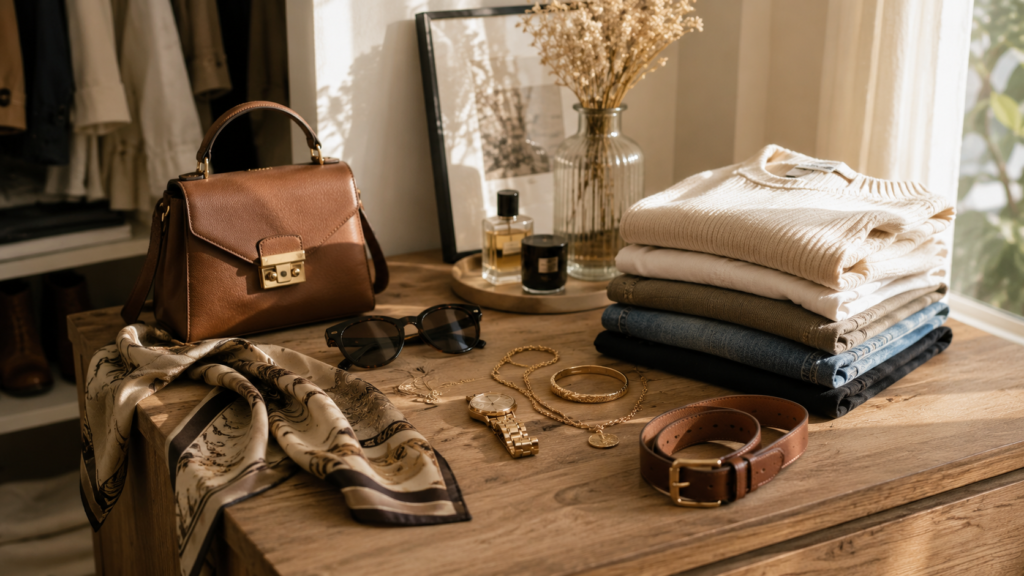
Accessories are the unsung heroes of wardrobe transformation. The same basic outfit can look completely different depending on how you accessorize it, and the best part is that accessories don’t take up much space or require any DIY skills to use effectively.
Scarves: The Ultimate Multitasker: A single scarf can serve at least ten different functions. Wear it traditionally around your neck, tie it as a headband for a vintage vibe, thread it through belt loops as a unique belt, wrap it around your handbag handle for a pop of color, or even tie it as a bandeau top for summer. Silk scarves add sophistication to any outfit, while cotton or linen options work perfectly for casual looks. When you explore how to upcycle outfits innovative styling methods, you’ll discover that scarves offer nearly endless versatility.
Jewelry Reimagined: That collection of necklaces gathering dust can be repurposed in creative ways. Layer multiple delicate chains for a trendy stacked look, wear long necklaces as body chains, or attach brooches to jacket lapels, bag straps, or even shoes. Mismatched earrings are now fashion-forward rather than a mistake—intentionally wear different styles on each ear for an editorial edge.
Belts for Structure and Emphasis: Belts do more than hold up pants. Cinch oversized shirts and dresses at the waist to create flattering silhouettes and define your shape. Wear belts over blazers, cardigans, or even coats to add interest to layered outfits. Try wearing belts at different heights—natural waist, just below the ribcage, or low on the hips—to change the entire proportion of an outfit.
Hats and Statement Pieces: A simple outfit becomes exponentially more interesting with the addition of a hat. Berets, bucket hats, fedoras, and baseball caps each bring their own energy to a look. Similarly, one statement piece—whether bold earrings, a chunky necklace, or a distinctive bag—can elevate basic pieces into a polished ensemble.
The key to accessorizing effectively is experimentation. Try combinations you wouldn’t normally consider, and you’ll likely surprise yourself with fresh outfit ideas that were hiding in plain sight.
Dye, Paint & Embellish: Injecting Personality with Customization
When you’re ready to get truly creative, customization techniques offer limitless possibilities for making your clothes uniquely yours. These methods transform plain or faded garments into personalized statement pieces that reflect your individual style.
Fabric Dyeing: Dyeing is easier than you might think and can completely revitalize white or faded garments. Tie-dye has made a major comeback, but you’re not limited to psychedelic spirals. Try dip-dyeing just the bottom portion of a dress or shirt for an ombré effect, or use multiple colors in subtle earth tones for a sophisticated look. Natural fiber fabrics like cotton, linen, and silk take dye beautifully. Follow package instructions carefully, use gloves, and work in a well-ventilated area. Pro tip: even if a dyeing experiment doesn’t go as planned, you can usually over-dye with a darker color to create something entirely new.
Fabric Paint and Stencils: Fabric paint allows you to add designs, patterns, or artwork directly onto clothing. Start simple with stencils—geometric shapes, words, or nature motifs work beautifully. Position your stencil, secure with tape, and dab (don’t brush) fabric paint through the openings with a foam brush or sponge. You can also freehand designs if you’re feeling artistic. Paint the backs of denim jackets, add accents to plain t-shirts, or create custom patterns on canvas shoes. Fabric paint, once heat-set with an iron, is generally washing-machine safe.
Patches and Appliqués: Patches aren’t just for covering holes anymore—they’re design elements. Sew or iron on embroidered patches to jackets, jeans, backpacks, or hats. Mix vintage patches with modern ones for an eclectic vibe. You can find patches at craft stores, vintage shops, or online, representing everything from band logos to nature scenes to abstract art.
Simple Embroidery: You don’t need advanced needlework skills to add embroidered details. Learn just a few basic stitches—the backstitch, running stitch, and French knot will carry you surprisingly far. Add small details like initials, tiny flowers along a neckline, or decorative lines following seams. The slightly imperfect, handmade quality adds charm and authenticity.
Iron-On Transfers and Decals: For those who want customization without the artistic commitment, iron-on transfers offer an easy solution. You can purchase pre-made transfers or print custom designs onto special transfer paper. This method works especially well for adding text, photos, or intricate designs that would be difficult to paint or embroider.
When customizing, start with garments you don’t wear often, so there’s no pressure for perfection. Remember that handmade elements add character—embrace the unique, one-of-a-kind nature of your creations. As future fashion trends increasingly emphasize sustainability and personalization, these skills position you at the forefront of conscious style.
Strategic Styling Techniques: Wearing What You Have in New Ways
Sometimes updating your wardrobe requires no physical changes to your clothes at all—just a fresh perspective on how to wear them. Strategic styling can make familiar pieces feel completely new.
Masterful Layering: Layering isn’t just for warmth; it’s an art form that adds depth and visual interest to outfits. Try unexpected combinations: a slip dress over a t-shirt, a button-up shirt under a sweater with the collar peeking out, or a turtleneck under a summer dress to extend its seasonality. Play with lengths and textures—a longer shirt hem beneath a cropped sweater creates dimension, while mixing materials like denim with silk adds contrast.
The Tuck, Knot, and Twist: These simple techniques instantly change a garment’s silhouette. The full tuck (entire shirt tucked in) creates a polished, put-together look. The front tuck (only the front portion tucked) is casually chic and flattering on most body types. The side tuck adds asymmetry and interest. Knotting shirts at the waist creates a cropped effect without committing to cutting, while twisting and tucking tank tops can eliminate excess fabric and create a more fitted shape.
Unexpected Shoe Pairings: Shoes dramatically impact an outfit’s overall vibe. Challenge yourself to wear pieces with update your wardrobe unexpected footwear: sneakers with dresses for a sporty-feminine mix, loafers with edgy ripped jeans for contrast, or ankle boots with summer skirts for transitional styling. This simple swap can take an outfit from predictable to editorial.
The Rule of Thirds: This styling principle suggests dividing your body into thirds when planning proportions. If wearing high-waisted bottoms, the waistband should sit approximately one-third down your body, creating balanced, flattering proportions. This rule helps determine where to tuck shirts, when to add a belt, and how to layer pieces for the most visually pleasing result.
Color Blocking and Pattern Mixing: Don’t be afraid to combine colors and patterns you’ve always kept separate. Stripes with florals, plaids with polka dots—when done with confidence, these combinations look intentional and fashion-forward. Start by ensuring at least one color connects the different patterns, and vary the scale (pair large prints with small ones).
The goal of strategic styling is to see your existing pieces as modular elements that can be endlessly recombined. Take photos of new combinations you try; you’ll build a visual reference library of outfits that work, making getting dressed easier and more creative.
Organize for Inspiration: The Wardrobe Detox and Rediscovery
Sometimes the best wardrobe update starts with organization. A cluttered, disorganized closet makes it difficult to see what you own, leading to repetitive outfit choices and the false impression that you need new clothes.
The Wardrobe Audit: Set aside a few hours to take everything out of your closet. As you return items, honestly assess each piece. Does it fit? Do you feel good wearing it? Has it been worn in the past year? This process often uncovers forgotten favorites buried in the back or bottom of drawers. You might rediscover pieces that now work perfectly with recent additions or that can be altered using the techniques mentioned earlier.
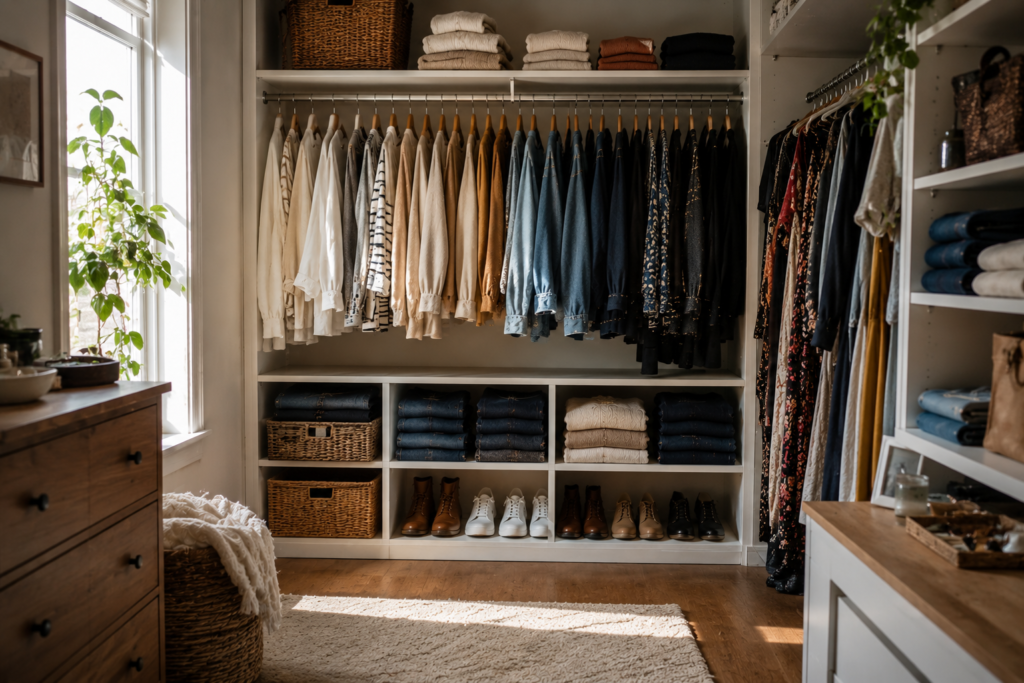
Strategic Categorization: Organize your closet in a way that sparks creativity. Some people prefer organizing by garment type (all shirts together, all pants together), while others find organizing by color more inspiring. Consider creating an “outfit zone” where you store pre-planned complete outfits for busy mornings, or a “remix section” where you place pieces you’re trying to wear in new ways.
Visibility is Key: Store clothes so you can see everything at a glance. Use slim hangers to maximize space, fold bulky items, and keep frequently-worn pieces at eye level. Consider open shelving or clear storage boxes for accessories so you remember to use them. When you can see your full collection, you’re more likely to mix and match creatively.
An organized wardrobe doesn’t just look better—it functions as a creativity tool, helping you spot new combinations and reminding you of the abundance you already possess.
Sustainable Style: Why Easy Hacks Matter for Your Wallet and the Planet
Embracing these easy fashion hacks offers benefits that extend far beyond your personal style. Financially, reimagining and refreshing existing pieces is dramatically more affordable than constantly purchasing new items. The money saved can be redirected toward a few quality investment pieces or simply kept in your budget for other priorities.
Environmentally, the impact is significant. The fashion industry is one of the world’s largest polluters, and textile waste fills landfills at alarming rates. By extending the life of your existing clothes through alterations, customization, and creative styling, you directly reduce demand for new production and keep garments out of the waste stream. This mindful approach to fashion aligns with growing global awareness about sustainability and personal responsibility.
Perhaps most importantly, these hacks foster creativity and confidence. There’s genuine satisfaction in wearing something you’ve customized or styled in a unique way, knowing it reflects your personal aesthetic rather than simply following trends. You develop problem-solving skills, resourcefulness, and a more intentional relationship with your possessions.
—
Frequently Asked Questions
How can I update my wardrobe without buying new clothes?
You can update your wardrobe without purchases by altering existing pieces (hemming, cropping, adding slits), customizing with dye or paint, accessorizing differently, experimenting with new styling techniques like tucking and layering, and reorganizing your closet to rediscover forgotten items. These approaches transform what you already own into fresh outfit options.
What are some easy DIY projects to personalize my clothing?
Easy DIY personalization projects include tie-dyeing or dip-dyeing faded pieces, adding iron-on patches, using fabric paint with stencils to create designs, simple embroidery with basic stitches, distressing denim with sandpaper or scissors, and cropping oversized tops or hemming too-long pants. These require minimal skills and inexpensive supplies.
How can I make my old clothes look more fashionable?
Make old clothes look fashionable by trying new styling combinations, adding trendy accessories like scarves or statement belts, altering proportions through tucking or knotting, pairing items with unexpected shoes, layering in creative ways, and adding embellishments. Sometimes simply wearing something differently—like belting an oversized shirt as a dress—completely changes its appeal.
What are the benefits of upcycling my wardrobe?
Upcycling your wardrobe saves money, reduces environmental impact by keeping textiles out of landfills, allows for personal creative expression, helps you develop a unique style that isn’t mass-produced, builds practical skills, and creates a more mindful, intentional relationship with fashion. It’s both personally rewarding and environmentally responsible.
Are there quick styling tricks to refresh my outfits?
Yes! Quick styling tricks include the front-tuck (tucking just the front of your shirt), layering a dress over pants or a turtleneck under dresses, adding a belt to define your waist on oversized pieces, changing your shoes to alter the outfit’s vibe, mixing patterns and textures you normally keep separate, and using scarves as belts, headbands, or bag accessories. These require no purchases or alterations, just creative thinking.
