15 DIY Home Office Ideas for Small Spaces
Working from home has become the norm for millions of people, but not everyone has the luxury of a dedicated home office. If you’re struggling to carve out a productive workspace in your small apartment or house, you’re not alone. The good news is that with some creativity and DIY ingenuity, you can create a functional, comfortable, and inspiring home office without breaking the bank or requiring much space.
This guide provides practical, budget-friendly DIY solutions specifically designed for small spaces. Whether you’re working from a corner of your bedroom, a closet nook, or a slice of your living room, these ideas will help you maximize every inch while keeping costs low.
Choose the Best Location
Before you start building or buying anything, selecting the right location is crucial for your productivity and comfort. In small spaces, you need to be strategic about where you set up shop.
Evaluate Natural Light: Look for areas with access to natural light, which boosts mood and reduces eye strain. A spot near a window is ideal, but avoid placing your screen directly facing the window to prevent glare.
Consider Noise Levels: Identify the quietest areas of your home. Corners away from high-traffic zones, appliances, or street-facing windows work best. If noise is unavoidable, plan to incorporate sound-dampening elements like curtains or acoustic panels.
Assess Available Space: Measure your potential workspace carefully. Even a 2×3 foot area can accommodate a compact desk setup. Consider unconventional spots like under staircases, wide hallways, or even large closets with the doors removed.
Think About Ventilation: Good air quality matters for concentration and health. The EPA provides excellent guidelines on improving indoor air quality at https://www.epa.gov/indoor-air-quality-iaq/improving-indoor-air-quality, which is especially important in smaller, enclosed workspaces.
Proximity to Outlets: Choose a location near electrical outlets to minimize visible cable runs and reduce tripping hazards. If outlets are limited, plan for a power strip with surge protection.
DIY Desk Ideas
A desk is the cornerstone of any home office, but commercial options can be expensive and often too large for tight spaces. These DIY projects offer creative, space-saving alternatives.
Floating Wall-Mounted Desk: This is perfect for extremely small spaces. Purchase a sturdy wooden plank (butcher block or laminated pine work well) measuring 24-36 inches wide and 16-20 inches deep. Attach it to wall studs using heavy-duty floating shelf brackets or metal L-brackets. This setup takes up zero floor space when not in use and can fold down in some configurations. DIY floating desk Cost: $40-$70.
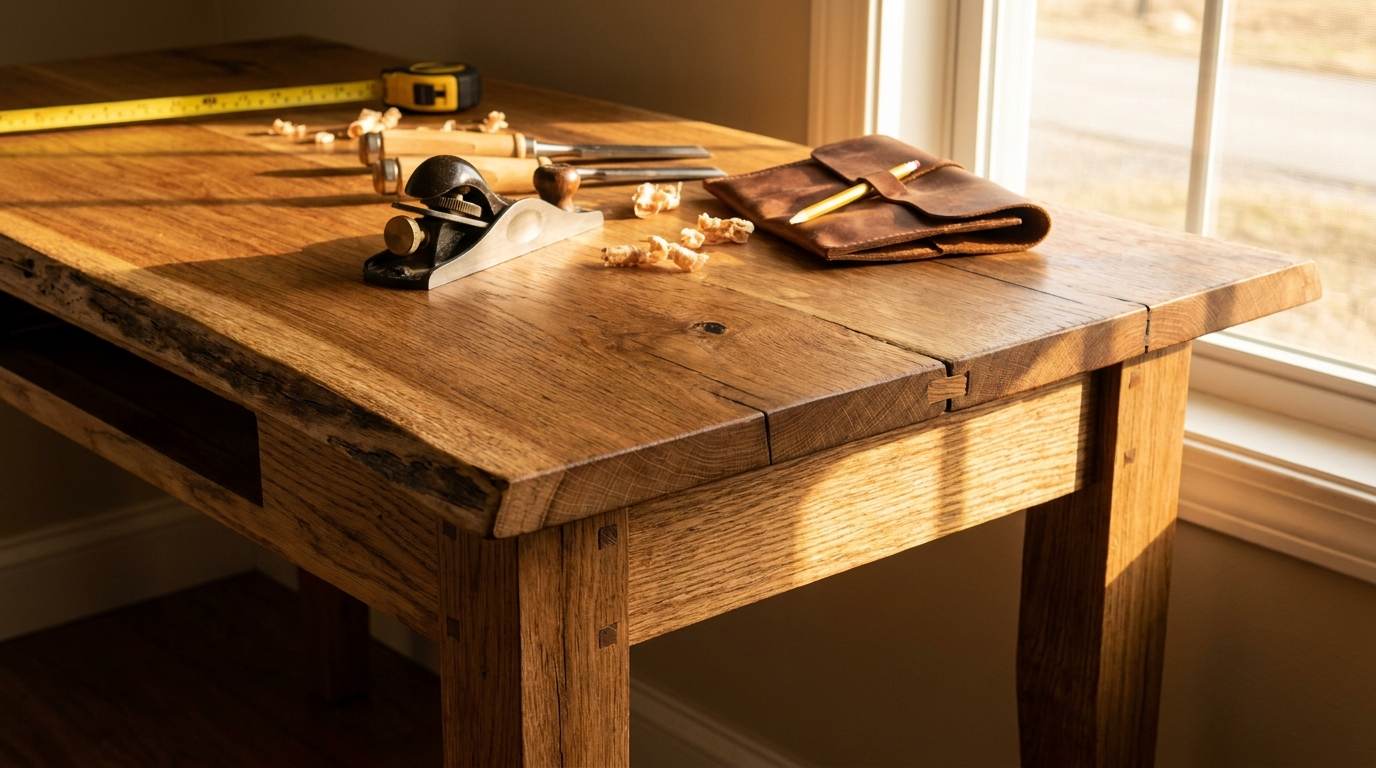
Door Desktop: Old solid-core doors make excellent spacious desks. Sand the door smooth, apply a coat of paint or stain, and place it on two filing cabinets, sawhorses, or IKEA leg units. A standard door provides ample workspace while remaining budget-friendly. Cost: $30-$60 if using a salvaged door.
Corner Wrap-Around Desk: Maximize corner space by creating an L-shaped desk using two pieces of plywood or laminated boards. Secure them with corner braces and support with legs or small cabinets. This configuration provides extensive workspace without monopolizing room flow. Cost: $50-$90.
Fold-Down Murphy Desk: Build a hinged desk that folds flat against the wall when not in use. Use a 20×30 inch board attached with piano hinges and install chain supports to hold it horizontal. Add a small shelf above for supplies. This is ideal for multi-purpose rooms. Cost: $35-$65.
Laptop Stand Desk: For minimalists, create a standing or sitting desk using stacked wooden crates or concrete blocks supporting a narrow shelf. This ultra-compact solution works perfectly for laptop-only workers. Cost: $20-$40.
Wall Storage
When floor space is limited, vertical storage becomes your best friend. These wall-mounted solutions keep supplies organized and accessible.
Pegboard Organizer Wall: Install a pegboard (available at hardware stores for $15-$25) painted to match your décor. Use hooks, baskets, and small shelves to hold everything from pens to headphones. Pegboards are infinitely customizable and can evolve with your needs.
Floating Shelves: Mount 2-3 floating shelves above your desk for books, plants, and decorative storage boxes. Space them 10-12 inches apart. Use matching boxes or baskets to hide clutter while maintaining visual appeal. Cost per shelf: $10-$20.
Magazine Rack File Organizer: Repurpose wooden magazine racks as vertical file holders. Mount them horizontally on the wall to create inbox/outbox systems or document storage that keeps papers visible but organized.
Tension Rod Organizers: Install a tension rod inside a shallow alcove or between two walls. Hang S-hooks to suspend baskets, clipboards, or hanging file folders. This requires zero drilling and is perfect for renters. Cost: $8-$15.
Rail System: Install a simple curtain rod or rail below your floating shelf. Use clips to hang papers, notes, or inspirational images. This creates a functional vision board that’s easy to update. Cost: $10-$18.
Cable Management
Nothing ruins a clean aesthetic like tangled cables snaking across your workspace. Proper cable management makes small spaces feel more organized and professional.
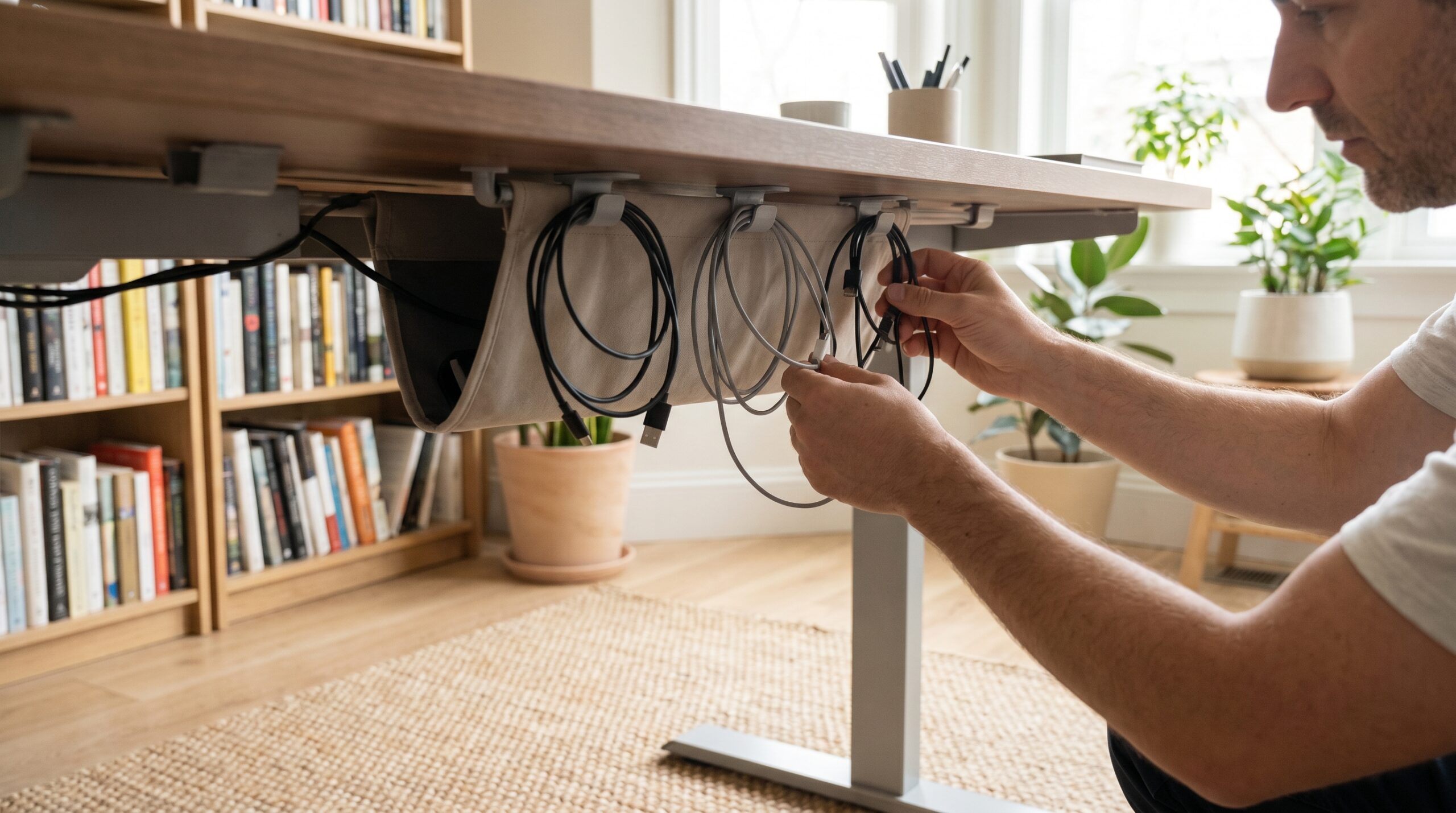
Cable Clips and Adhesive Holders: Use adhesive cable clips (under $10 for a pack) along the desk edge or wall to route cables neatly. Group cables together and direct them toward your power source in one organized bundle.
DIY Cable Box: Repurpose a decorative box or shoebox to hide power strips and excess cable length. Cut holes in the ends for cables to enter and exit. This simple solution eliminates visual clutter immediately.
Binder Clips: Attach binder clips to your desk edge and thread cables through the metal loops. DIY craft room setup This keeps unplugged charger ends from falling behind your desk. Cost: essentially free.
PVC Pipe Cable Raceway: Cut a length of PVC pipe lengthwise, paint it to match your wall, and mount it to conceal cables running along walls or baseboards. More polished than exposed wires, and costs under $10.
Velcro Cable Ties: Replace twist-ties with reusable velcro cable ties (around $8 for 50) to bundle cables together neatly. These are adjustable and won’t damage cable insulation over time.
Affordable Lighting
Proper lighting reduces eye strain and creates an inviting workspace. You don’t need expensive designer fixtures to achieve great lighting in a small office.
Clip-On LED Desk Lamp: These versatile lamps ($15-$30) clamp onto your desk edge, saving precious desk surface space. Look for models with adjustable arms and brightness settings for maximum flexibility.
String Lights: Create ambient lighting by stringing LED lights around your workspace. Drape them along shelves or around a bulletin board for a warm, inviting glow that’s easy on the eyes. Cost: $10-$20.
DIY Industrial Lamp: Make a trendy task light using a simple socket kit ($8-$12), an Edison bulb, and fabric-covered cord. Attach to a wooden base or clamp for a custom look at a fraction of retail prices.
Under-Shelf LED Strips: Mount adhesive LED strip lights under floating shelves to provide indirect task lighting. These create a modern look while illuminating your workspace evenly. Cost: $12-$25 for a 6-foot strip.
Repositioned Existing Lamps: Before buying new lighting, experiment with repositioning existing floor or table lamps to better serve your workspace. Add a higher-wattage LED bulb for brighter, more efficient light.
Ergonomic Setup
Ergonomics shouldn’t be sacrificed just because you’re working with a small space and tight budget. Poor ergonomics leads to discomfort, pain, and decreased productivity.
DIY Monitor Stand: Elevate your laptop or monitor to eye level using stacked books, wooden blocks, or a simple riser made from a wooden shelf board and four cabinet feet. Your screen’s top should be at or slightly below eye level. Cost: $5-$15.
Book Footrest: If your chair is too high for your feet to rest flat, create a footrest from a sturdy cardboard box filled with paper for weight, wrapped in fabric, or simply use a stack of large books. This promotes better posture and circulation.
Lumbar Support Pillow: Roll a small towel and secure it with rubber bands, or stuff a pillowcase with extra clothes to create custom lumbar support for your chair. Position it in your lower back curve. Cost: free.
Keyboard Tray Alternative: If your desk is too high, place your keyboard and mouse on a lap desk or serving tray while sitting. This maintains proper arm angles without expensive equipment modifications. Cost: $10-$20.
OSHA Guidelines: For comprehensive ergonomic setup guidance, consult the computer workstation guidelines at https://www.osha.gov/etools/computer-workstations. These professional standards ensure your DIY setup promotes health and comfort.
Standing Desk Converter: Stack sturdy boxes, crates, or books to create variable-height platforms for a DIY standing desk converter. repurposed shutters display Alternate between sitting and standing throughout your workday to reduce sedentary strain.
Decorate the Workspace
A visually appealing workspace boosts motivation and makes working from home more enjoyable. Small decorative touches personalize your area without cluttering limited space.
Plants: Add a small succulent, pothos, or snake plant to your desk. Plants improve air quality and create a calming atmosphere. Choose low-maintenance varieties that thrive indoors with minimal light.
Color-Coordinated Supplies: Use a consistent color palette for storage boxes, folders, and accessories. This creates visual cohesion that makes small spaces feel more intentional and less chaotic.
Inspirational Board: Create a mini vision board or inspiration wall using a small cork board or magnetic board. Pin quotes, goals, or images that motivate you. This adds personality without requiring floor space.
Desk Mat: A simple desk mat or mouse pad in your favorite color or pattern defines your workspace and protects your desk surface. These cost $10-$25 and add instant polish.
Minimalist Artwork: Hang one or two pieces of simple artwork or prints above your desk. Avoid cluttering walls in small spaces—less is more. Choose pieces with calming colors or geometric patterns.
Repurposed Containers: Use attractive mugs, jars, or small bowls to hold pens, scissors, and supplies. This costs nothing if you shop your own home and adds character to your desk.
Budget Office Checklist
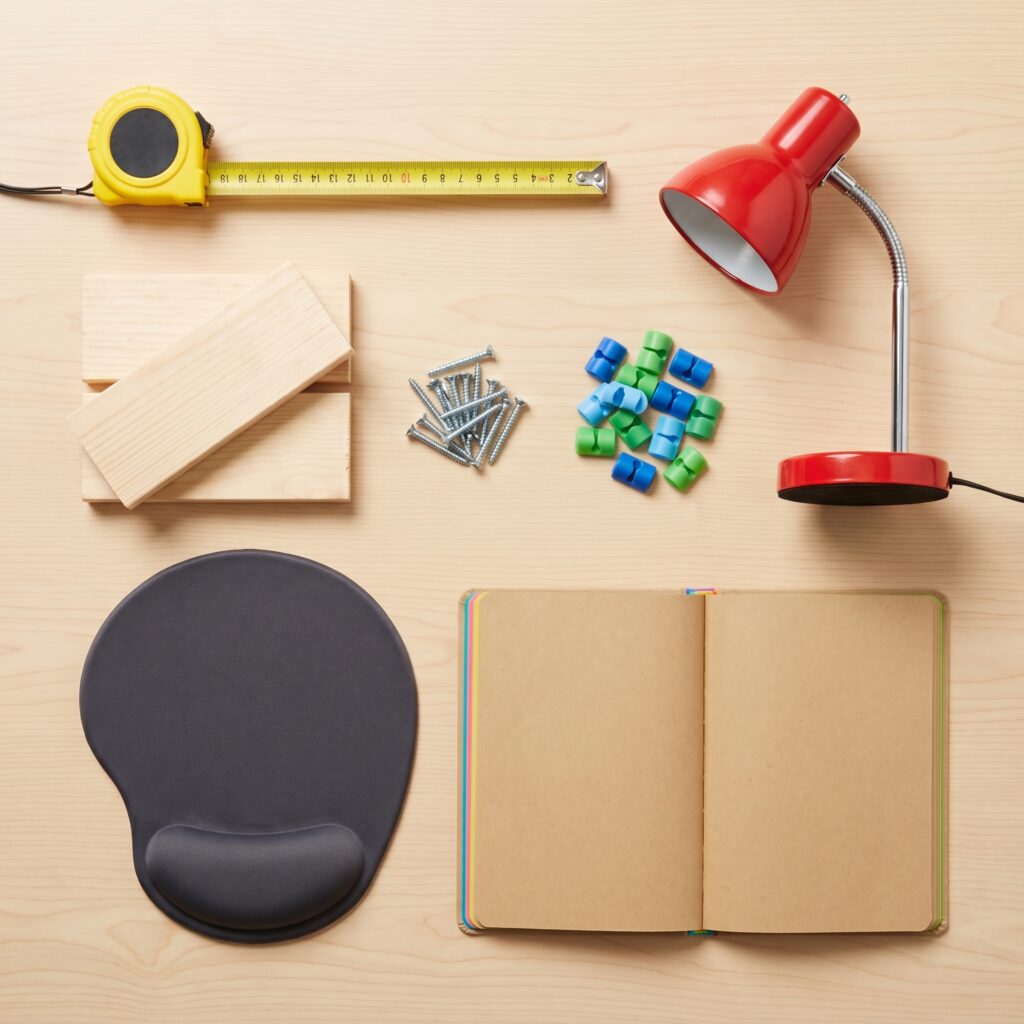
Here’s a complete home office setup that costs under $200, perfect for small spaces:
Desk Solutions ($40-$70):
Seating ($30-$60):
Lighting ($15-$30):
Storage ($25-$40):
Technology Accessories ($20-$30):
Ergonomic Additions ($10-$20):
Decorative Elements ($10-$20):
Office Supplies ($20-$30):
Total: $170-$230 (with room to adjust based on what you already own)
Money-Saving Tips:
Frequently Asked Questions
How can I create a home office if I don’t have a dedicated room?
You don’t need a full room to create an effective workspace. Look for underutilized corners, alcoves, or sections of larger rooms. A corner of your bedroom, a section of your living room behind a sofa, a wide hallway, or even a converted closet can work perfectly. Use a room divider, curtain, or bookshelf to create visual separation between your workspace and living space. The key is establishing a designated area that your brain associates with work mode, even if it’s just a small corner. Floating desks and fold-down options are ideal because they can be tucked away when not in use.
What are the cheapest materials I can use for DIY home office furniture?
The most budget-friendly materials include salvaged wood (pallets, old doors, or reclaimed lumber), plywood and MDF boards from hardware stores, cinder blocks or bricks for supports, plastic crates for storage and desk legs, PVC pipes for frames and organizers, and cardboard reinforced with wood for temporary solutions. Check construction site dumpsters (with permission), browse free sections on Craigslist or Facebook Marketplace, and visit Habitat for Humanity ReStores for deeply discounted materials. With basic tools and creativity, these materials can create surprisingly professional-looking furniture.
How do I keep a small home office organized and clutter-free?
Implement a “one in, one out” rule where you remove an old item whenever you add something new. Use vertical storage extensively—walls are your most valuable real estate in small spaces. Establish daily cleanup habits: spend five minutes at the end of each workday putting everything back in its place. Go paperless whenever possible by scanning documents and filing digitally. Use drawer dividers, desktop organizers, and labeled containers to give everything a specific home. Regularly purge unnecessary items every month. The smaller your space, the more disciplined you need to be about what enters and stays in it.
Can I make an ergonomic home office setup without buying expensive equipment?
Absolutely. Ergonomics is about positioning, not price tags. Elevate your monitor with books or a DIY stand so the top is at eye level. Adjust your chair height so your feet rest flat and your knees bend at 90 degrees—add a footrest if needed. Position your keyboard so your elbows bend at 90 degrees with relaxed shoulders. Create lumbar support with a rolled towel. Take regular breaks to stand, stretch, and move every 30-60 minutes. Ensure proper lighting to reduce eye strain. These adjustments cost little to nothing but provide the same ergonomic benefits as expensive equipment. Focus on maintaining neutral body positions and movement variety throughout your day.
What are some creative ways to hide office supplies in a small space?
Use decorative boxes or baskets on shelves that blend with your decor while concealing supplies. Install a curtain below your desk to hide storage containers or file boxes underneath. Repurpose household items like attractive jars, vintage tins, or ceramic containers as supply holders that look intentional. Mount a pegboard inside a closet or cabinet door for hidden but accessible storage. Use drawer organizers to maximize efficiency in existing furniture. Consider a desk with built-in drawers or add a slim rolling cart that can tuck under your desk. Wall-mounted magazine racks can hold notebooks and folders vertically. The goal is to make storage both functional and visually integrated into your space rather than adding visual clutter.
Conclusion
Creating an effective home office in a small space doesn’t require a massive budget or professional contractor. With some DIY creativity, smart space planning, and the ideas outlined in this guide, you can build a productive, comfortable, and attractive workspace that meets your needs without overwhelming your home or your wallet.
Start by choosing the best location, then prioritize the essentials: a functional desk, adequate storage, proper lighting, and ergonomic positioning. Add organizational systems that work vertically and keep cables tidy. Finally, personalize your space with small decorative touches that inspire you.
Remember, the best home office is one that you’ll actually use consistently. It doesn’t need to be perfect or Pinterest-worthy—it just needs to support your work and fit your life. Start with one or two projects from this guide, and gradually build your ideal workspace over time as your budget and needs evolve.
Your productive, organized, and inspiring home office awaits—and it’s more achievable than you think!
