How to Organize Your Home Room by Room
A cluttered home can feel overwhelming and stressful, affecting your productivity and peace of mind. While many people dream of having a perfectly organized space, the task of getting there often seems insurmountable. The secret to successfully organizing your home isn’t a one-size-fits-all magic solution—it’s a systematic, room-by-room approach that breaks the process into manageable steps. This comprehensive guide will walk you through practical strategies for organizing each space in your home, complete with storage ideas, labeling systems, and maintenance routines that actually work for everyday life.
Start With Decluttering
Before you can truly organize any space, you need to declutter. This is the foundation of home organization and the step that makes everything else easier. Start by gathering supplies: large boxes or bags labeled “Keep,” “Donate,” “Sell,” and “Trash.” Set a timer for 15-30 minutes per session to avoid burnout—decluttering doesn’t have to happen all at once.
As you go through items, ask yourself key questions: Have I used this in the past year? Does this serve a purpose or bring me joy? Would I buy this again today? Be honest with your answers. Sentimental items deserve special consideration, but not everything from your past needs to occupy your present space.
For items you’re donating or discarding, consider the environmental impact. The EPA provides excellent resources on how to properly recycle various household items at https://www.epa.gov/recycle, ensuring your decluttering efforts are eco-friendly. Many communities also have specific programs for electronics, hazardous materials, and textiles that shouldn’t end up in landfills.
Create a decluttering schedule that tackles one room or even one zone at a time. This prevents the overwhelming feeling of trying to transform your entire home overnight. Remember, the goal isn’t perfection—it’s creating a space that functions better for your daily life.
Organize the Entryway
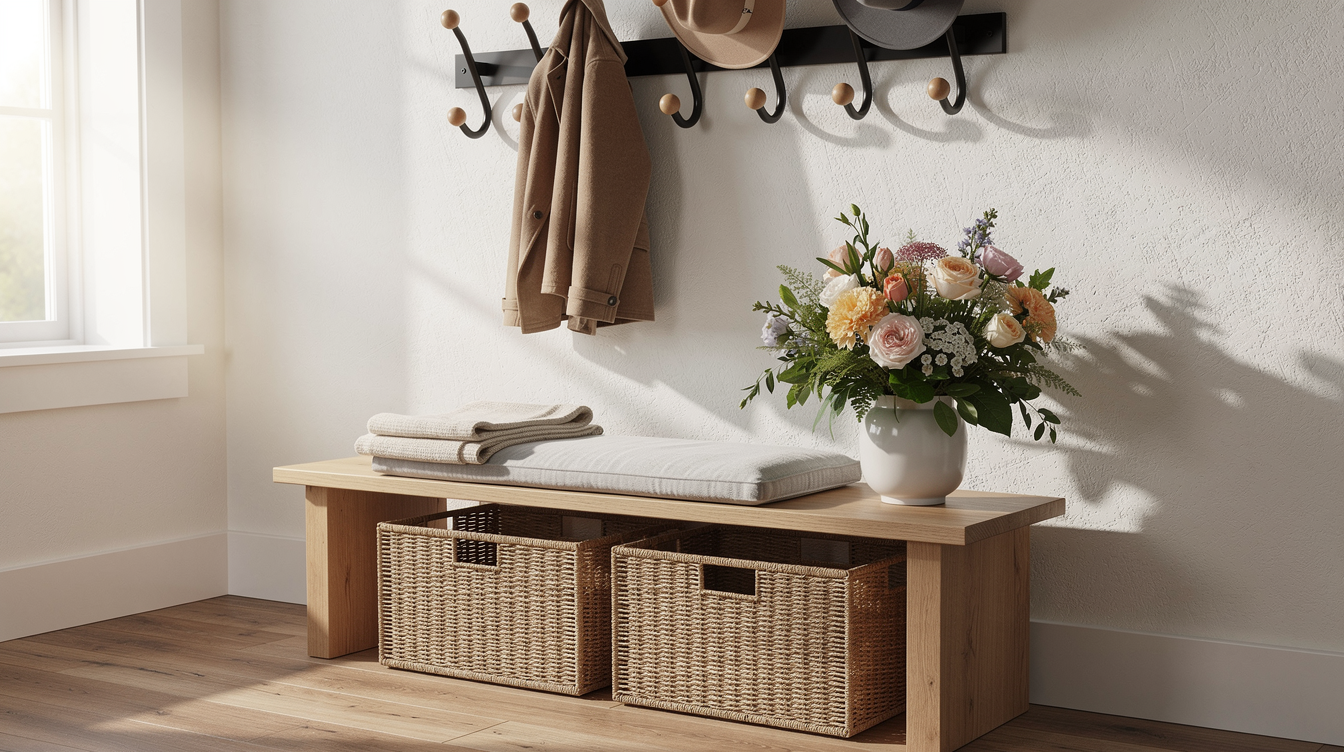
Your entryway sets the tone for your entire home. This high-traffic area needs to be both functional and welcoming. Start by installing hooks at varying heights—adult height for coats and bags, and lower hooks for children’s items. This simple addition prevents coats from piling up on furniture.
Implement a shoe storage system that works for your space. Options include a shoe rack, cubby system, or even a decorative basket for each family member. Keep only current-season shoes in the entryway; store off-season footwear elsewhere. A small bench with hidden storage serves double duty, providing seating while hiding items you need to grab on your way out.
Create a “launch pad” for everyday essentials. Use a small tray or bowl for keys, a wall-mounted organizer for mail, and designated spots for wallets, sunglasses, and other items you regularly take with you. Label each section clearly so family members know where everything belongs.
Consider adding a small bulletin board or calendar for important reminders, upcoming events, and permission slips. This keeps paper clutter contained and ensures nothing important gets lost. When implementing these changes, you’ll find that smart closet organization maintaining order becomes second nature once everything has a designated home.
Kitchen Organization
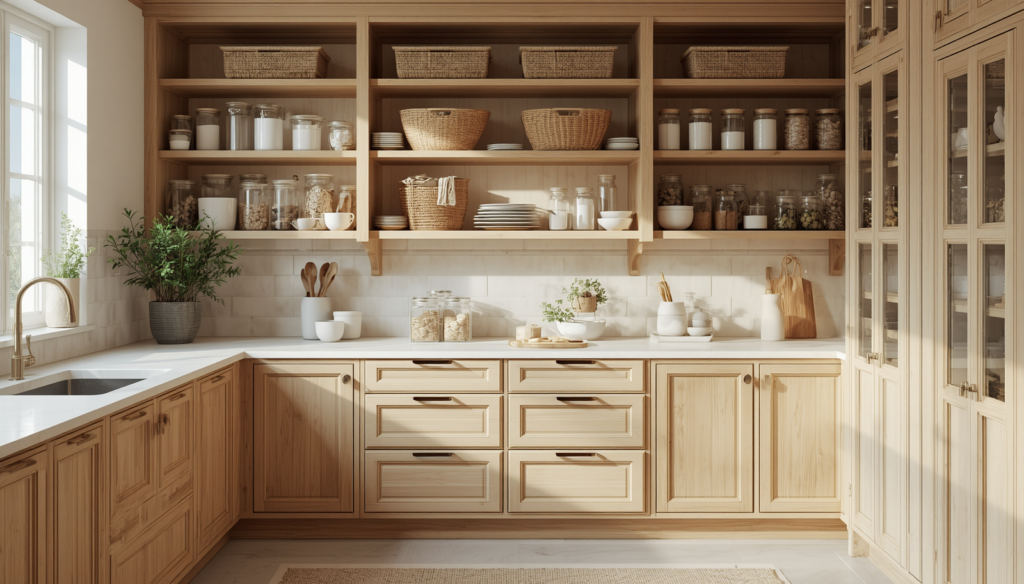
The kitchen is often the heart of the home and requires strategic organization to function efficiently. Begin with your pantry. Remove everything, check expiration dates, and wipe down shelves. Group similar items together: baking supplies, canned goods, snacks, breakfast items, and spices.
Invest in clear, airtight containers for dry goods like flour, sugar, rice, and pasta. These containers keep food fresh longer and allow you to see at a glance when supplies are running low. Label everything clearly with both the contents and expiration date. Use a label maker or simple masking tape and permanent marker.
For cabinets and drawers, implement zones based on function. Store items near where you use them: coffee supplies near the coffee maker, cooking utensils near the stove, dishes near the dishwasher. Use drawer dividers to keep utensils organized and prevent the dreaded “junk drawer” from forming.
Maximize vertical space with shelf risers, allowing you to stack plates and bowls efficiently. Install hooks inside cabinet doors for measuring cups and spoons. Use lazy Susans in corner cabinets and for items like oils and vinegars that are easier to access when you can spin them into view.
Under the sink is prime real estate for cleaning supplies. Use a caddy or tension rod to hang spray bottles, keeping them off the base of the cabinet and preventing leaks from damaging the area. The CDC offers important guidelines on safe storage of household chemicals at https://www.cdc.gov/household-safety/safe-storage.html, which is especially crucial if you have children or pets.
Living Room Organization
The living room should be a relaxing space, not a dumping ground for miscellaneous items. Start by assigning homes for common clutter culprits: remote controls, magazines, toys, and throw blankets. A coffee table with drawers or a decorative basket underneath can hide remotes and coasters while keeping them accessible.
Implement the “one in, one out” rule for books, magazines, and decorative items. When you bring something new into the space, remove something old. This prevents accumulation and keeps surfaces clear. Use floating shelves or a bookcase to display items vertically, making the room feel larger while providing organized storage.
For families with children, designate a specific toy storage area in the living room. Use labeled bins or baskets that kids can easily access and, more importantly, easily clean up. Rotate toys monthly to keep playtime interesting without overwhelming the space.
Cable management is often overlooked but makes a significant difference in visual clutter. Use cable ties, clips, or a cable box to corral cords behind the entertainment center. This simple step creates a cleaner, more organized appearance.
Create landing spots for items that frequently migrate to the living room. A decorative tray can hold items that belong in other rooms, making it easy to do a quick sweep and return everything to its proper place during your daily tidy-up routine.
Bedroom Organization
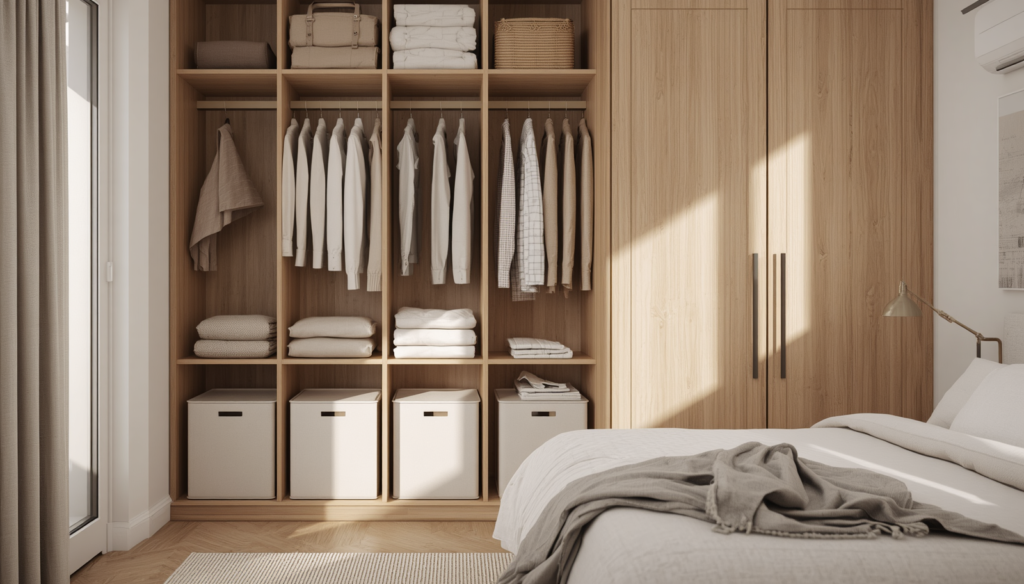
Your bedroom should be a peaceful retreat, and organization plays a crucial role in creating that atmosphere. Start with the closet, which is often the biggest challenge. Remove everything and sort clothing by type: work clothes, casual wear, athletic wear, special occasion outfits.
Use uniform hangers to create a cohesive look and maximize space—slim velvet hangers work well for most clothing types. Organize hanging clothes by category and then by color within each category. This system makes getting dressed easier and helps you see what you actually own.
Fold and store items like sweaters, t-shirts, and jeans in drawers or on shelves. The file folding method (standing items vertically) allows you to see everything at once and prevents piles from toppling over. Use drawer dividers for small items like socks, underwear, and accessories.
Under-bed storage is valuable real estate. Use flat storage containers for off-season clothing, extra linens, or items you don’t need daily access to. Vacuum-sealed bags can compress bulky items like winter coats and comforters, maximizing this space.
Nightstand organization prevents bedside clutter. Keep only essentials on top: a lamp, alarm clock, and perhaps a book. Use the drawer for items like charging cables, medications, and other bedtime necessities. When you clever boot storage hacks establish these bedroom systems, you’ll notice improved sleep quality and easier mornings.
Bathroom Organization
Bathrooms tend to accumulate products quickly, making organization essential for functionality. Start by removing everything from cabinets and drawers. Discard expired medications, dried-up cosmetics, and products you no longer use. Most cosmetics have a shelf life printed on the packaging—a small icon showing an open jar with a number indicates months of safe use after opening.
Group similar items together: hair care, skin care, dental care, first aid, and cleaning supplies. Use drawer dividers or small bins to keep categories separate and prevent items from sliding around. Label each section for easy identification and to help family members maintain the system.
Under the sink, install a sliding drawer system or use stackable bins to maximize vertical space. Keep cleaning supplies separate from personal care items. A small caddy for daily-use items like face wash and toothpaste keeps counters clear while maintaining easy access.
For shared bathrooms, assign each family member a specific bin or drawer. This personalizes storage, reduces conflicts over space, and teaches children responsibility for their belongings. Color-coding or labeling makes it easy for everyone to identify their designated area.
Utilize wall space with mounted organizers for frequently used items like hair dryers and styling tools. Install towel hooks instead of bars—they’re easier to use and prevent towels from bunching. Over-the-toilet storage units add shelving without requiring wall installation, perfect for rental situations.
Create Daily Systems
Organization isn’t a one-time event—it requires daily maintenance systems to stay effective. The key is making these systems so simple and convenient that following them becomes automatic. Start with a “one-touch rule”: whenever possible, put items away immediately rather than setting them down temporarily. This prevents clutter from accumulating in the first place.
Implement a “reset routine” that takes just 10-15 minutes each evening. Walk through your home returning items to their designated spots, wiping down kitchen counters, and doing a quick tidy of high-traffic areas. This small daily investment prevents messes from building up and makes weekends more enjoyable.
Create mail and paper management habits. Sort mail immediately over a recycling bin, keeping only what requires action or filing. Designate a specific spot for bills and important documents, and handle them weekly. Go paperless wherever possible to reduce incoming clutter.
Establish morning and evening routines that include organizational tasks. Make beds each morning to start the day with a sense of accomplishment. Each evening, spend five minutes preparing for the next day: laying out clothes, packing bags, and clearing surfaces. These DIY home improvement guide small habits compound over time, making organization feel effortless.
Involve all household members in maintaining systems. Assign age-appropriate tasks to children, teaching them organizational skills while distributing the workload. When everyone participates, the home stays organized with minimal effort from any single person.
Weekly Reset Checklist
Even with daily maintenance, a weekly reset helps keep your organization systems running smoothly. Set aside an hour each week—Sunday evenings work well for many families—to complete these tasks:
Kitchen Weekly Reset:
Living Areas Weekly Reset:
Bedrooms Weekly Reset:
Bathrooms Weekly Reset:
Entryway Weekly Reset:
During your weekly reset, also conduct a quick audit of your organizational systems. Are they still working? Do adjustments need to be made? Flexibility is key—what works in one season or life stage may need tweaking as circumstances change.
Frequently Asked Questions
What is the best way to start organizing a very messy home?
Start with the area that bothers you most or that you use most frequently. This provides immediate relief and motivation to continue. Set a timer for 15 minutes and focus on just clearing surfaces or sorting one category of items. Breaking the task into tiny, manageable chunks prevents overwhelm. Don’t try to organize everything at once—even professional organizers work one space at a time. Celebrate small wins to build momentum.
How can I maintain an organized home after a big clean-up?
Maintenance is all about daily habits and clear systems. Implement the “one in, one out” rule to prevent accumulation. Spend 10-15 minutes each evening doing a quick reset. Label everything so family members know where items belong. Most importantly, make sure every item has a designated home—if there’s no obvious place for something, you’ll struggle to put it away. Review and adjust your systems quarterly to ensure they still work for your lifestyle.
What are essential organization tools I should invest in?
Start with basics before investing in specialized products: clear bins in various sizes, labels (a label maker is helpful but not essential), drawer dividers, shelf risers, and hooks. Quality hangers make a significant difference in closet organization. Avoid buying too many containers before decluttering—you may need less than you think. Choose clear containers when possible so you can see contents at a glance. Invest in quality over quantity; a few sturdy organizers work better than many flimsy ones.
How do I deal with sentimental items when decluttering?
Sentimental items deserve special care. Create a memory box with a size limit—when it’s full, you must choose what’s most meaningful. Take photos of items you want to remember but don’t need to keep physically. For children’s artwork, create a digital archive or select only the most special pieces to frame or preserve. Ask yourself if the item represents a happy memory—if it causes guilt or obligation rather than joy, consider letting it go. Remember, memories live in your heart, not in objects.
Is it better to declutter all at once or bit by bit?
This depends on your personality and circumstances. Some people thrive with an intensive weekend decluttering session, while others do better with gradual progress over weeks or months. If you choose the all-at-once method, clear your schedule and prepare mentally for an exhausting but rewarding experience. The bit-by-bit approach works well for busy people or those who find decluttering emotionally difficult. Either way, consistency matters more than speed. Choose the approach that you’ll actually complete rather than the one that sounds most impressive.
Conclusion
Organizing your home room by room is a manageable process when you break it down into specific steps. By starting with decluttering, implementing practical storage solutions, and creating sustainable daily and weekly systems, you can transform even the most chaotic space into an organized, functional home. Remember that organization is personal—what works for someone else may not work for you, and that’s perfectly fine. The best organizational system is one you’ll actually use consistently.
Start small, be patient with yourself, and celebrate progress along the way. Your home didn’t become disorganized overnight, and it won’t become perfectly organized overnight either. Focus on progress rather than perfection, and adjust systems as needed. With the room-by-room approach outlined in this guide, you now have a clear roadmap to creating the organized, peaceful home you deserve. Take it one room, one drawer, one shelf at a time, and soon you’ll have organizational systems that work effortlessly for your lifestyle.
