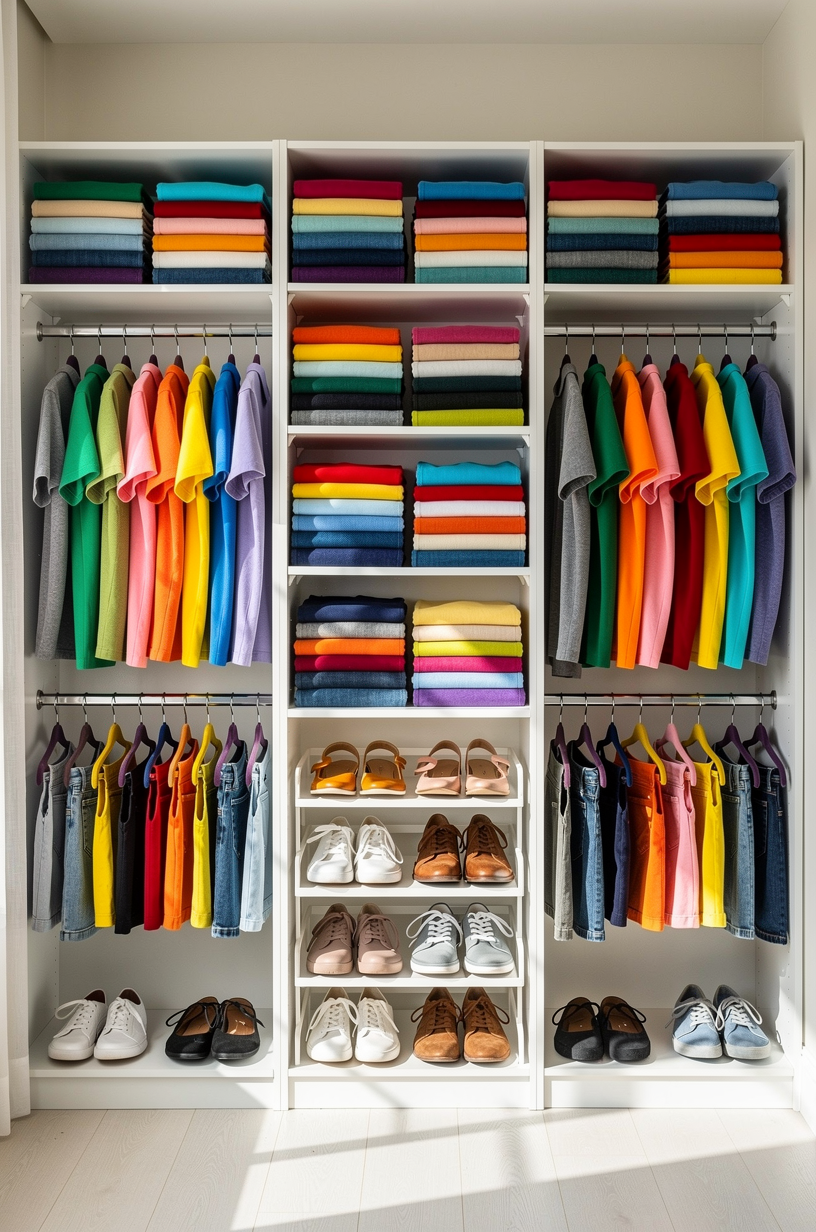
How to Organize a Small Closet in One Afternoon
Feeling overwhelmed by your cramped, chaotic closet? You’re not alone. According to research on the psychology of our living spaces, cluttered environments can significantly impact our mental well-being and daily stress levels. The good news is that transforming your small closet from a disaster zone into an organized haven doesn’t require a full weekend or an expensive makeover. With the right strategies and a focused afternoon, you can create a functional space that maximizes every square inch.
Small closet organization is all about working smarter, not harder. This guide will walk you through actionable, time-efficient strategies that emphasize multi-purpose items and minimalist approaches. By the end of one afternoon, you’ll have a closet system that not only fits all your belongings but also makes getting dressed each morning a pleasure instead of a frustration.
Supply Checklist
Before you begin your small closet organization project, gather these essential supplies:
Basic Supplies:
Organization Tools:
Budget-Friendly Option (Under $100):
Total: Approximately $100
Empty and Clean the Closet
The first step in any successful small closet organization project is starting with a completely blank slate. This might feel daunting, but it’s essential for creating a system that truly works for your space and needs.
Begin by removing every single item from your closet—yes, everything. Take out all clothing, shoes, accessories, hangers, and any storage containers. As you empty the closet, place items in categories on your bed or nearby floor. This complete emptying serves two purposes: it allows you to see exactly what you’re working with, and it gives you access to clean the entire space thoroughly.
Once empty, vacuum or sweep the floor, paying special attention to corners where dust accumulates. Wipe down all shelves, the hanging rod, and walls with an all-purpose cleaner. Check for any needed repairs like loose shelf brackets or a sagging closet rod. This is also an excellent time to assess your closet’s current setup—note where the shelves are positioned and consider whether their placement serves your needs.
This cleaning process typically takes 15-20 minutes but makes a significant difference in how your newly organized closet feels. A fresh, clean space gives you motivation to maintain your organization system long-term.
Sort Your Clothes

With your closet empty and clean, it’s time to tackle the most crucial step in small closet organization: sorting through your clothing. This is where you’ll make decisions that directly impact how much space you’ll need and how functional your closet becomes.
Create four distinct piles: Keep, Donate, Trash, and Maybe. Be honest and ruthless during this process. As you evaluate each item, ask yourself: Have I worn this in the past year? Does it fit properly? Is it in good condition? Does it make me feel confident? If you answer “no” to any of these questions, it’s time to let it go.
For items in good condition that you no longer wear, consider smart closet organization donating them to local charities or consignment shops. The EPA provides excellent guidance on reducing and reusing basics, emphasizing how donating extends the life of textiles and reduces environmental impact. Items that are stained, torn beyond repair, or heavily worn should go in the trash pile.
The “Maybe” pile should be minimal—these are pieces you’re genuinely unsure about. Place these items in a separate box with today’s date. Store the box elsewhere, and if you haven’t reached for anything in it within three months, donate the entire box without opening it again.
This sorting process is where the minimalist approach truly shines. Research featured on Psychology Today explains that organized spaces correlate with reduced anxiety and improved decision-making abilities. By keeping only what you truly need and love, you’re setting yourself up for lasting success.
For your “Keep” pile, further organize by category: everyday clothes, work attire, special occasion outfits, and seasonal items. This pre-sorting will make the next steps significantly faster and more efficient.
Double Hanging Space
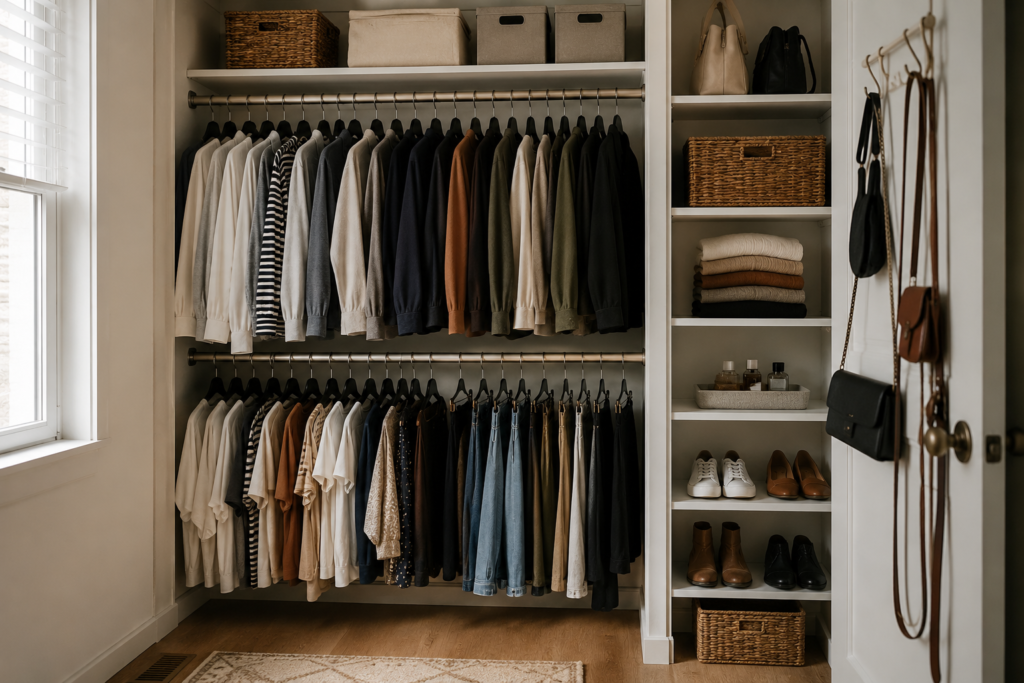
One of the most effective strategies for small closet organization is maximizing vertical space through double hanging. This simple technique can instantly double your hanging capacity, making it perfect for items that don’t require full-length hanging space.
Most standard closets come with a single rod positioned about 5-6 feet from the floor. This setup wastes valuable space below shorter items like shirts, blouses, folded pants, and skirts. By installing a double hang system, you create two tiers of hanging space, effectively utilizing the entire vertical area.
You have several affordable options for creating double hanging space. The easiest is a double hang closet rod—a simple device that hangs from your existing rod and creates a second tier below. These typically cost $15-25 and require no installation beyond hanging them up. Alternatively, you can install a second permanent rod if you’re comfortable with basic tools.
When organizing with double rods, use the top rod for items you wear less frequently or out-of-season clothing. The bottom rod should hold your everyday essentials for easy access. Group similar boot storage hacks items together on each rod—all short-sleeve shirts in one section, pants in another, skirts together—to create a boutique-like organization system that makes getting dressed effortless.
For items that do require full-length hanging, like dresses and long coats, designate one section of your closet to maintain the original single-rod configuration. This hybrid approach gives you flexibility while maximizing your overall hanging capacity.
Use Shelf Dividers
Shelves in small closets often become cluttered dumping grounds where stacks of folded clothes topple over and mix together. Shelf dividers are an inexpensive solution that transforms chaotic shelves into organized, functional storage zones.
Shelf dividers are simple devices that clip onto or slide under shelves to create vertical sections, preventing stacks from falling into each other. They’re particularly useful for organizing folded sweaters, jeans, t-shirts, and handbags. Most dividers cost just $3-5 each, making them one of the most cost-effective organization tools available.
Install dividers to create dedicated sections for different categories. For example, one section might hold sweaters, another for jeans, another for workout clothes, and so on. This visual separation makes it easy to find what you need and, more importantly, easy to put things back in their proper place.
When using shelf dividers for small closet organization, aim to keep stacks no more than 6-8 items high. Taller stacks become unstable and difficult to retrieve items from without disturbing the entire pile. If you have more items than fit comfortably with this height limit, that’s a signal to revisit your sorting process or consider storing seasonal items elsewhere.
For an even more organized look, fold clothes using the file-folding method (also called vertical folding), where items stand upright rather than stack flat. This technique allows you to see every item at a glance and remove one without disturbing others.
Organize Shoes
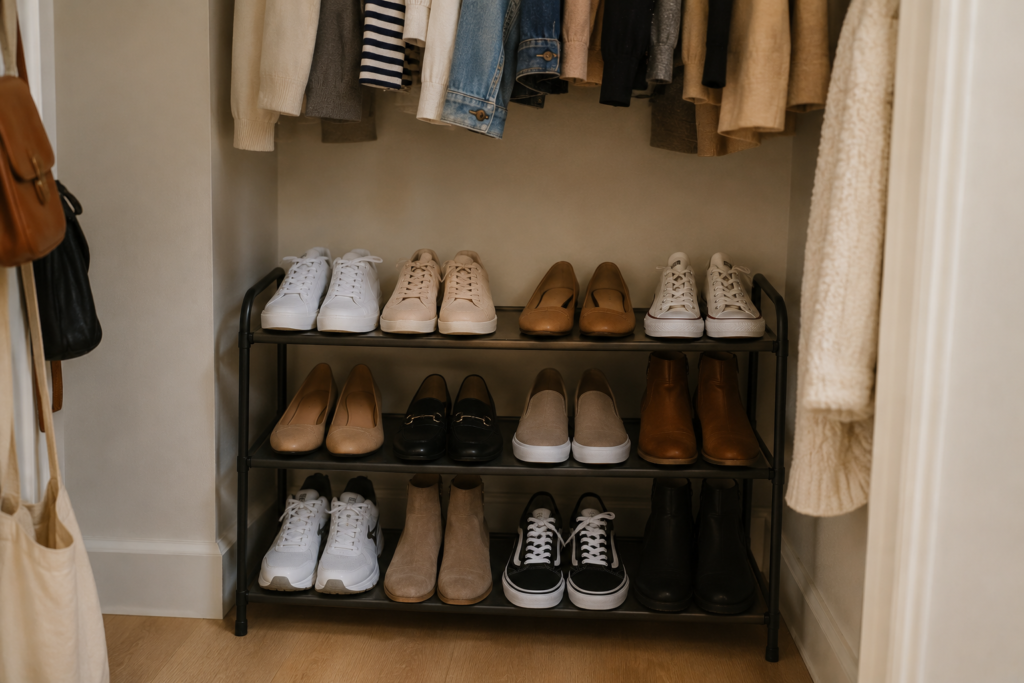
Shoes can quickly overwhelm a small closet if not properly organized. The key is finding a storage solution that keeps pairs together, protects their shape, and maximizes your limited floor and wall space.
For small closet organization, over-the-door shoe organizers offer exceptional value. These hanging organizers feature clear pockets that hold 12-24 pairs of shoes, taking advantage of otherwise unused door space. They cost around $10-15 and keep shoes visible and easily accessible. The clear pockets let you see every pair at a glance, making morning routines faster.
If you prefer to keep shoes on the closet floor, invest in a tiered shoe rack that stacks vertically rather than spreading horizontally. These racks can hold 9-12 pairs in the same footprint that might otherwise hold just 3-4 pairs. Place your most-worn shoes on the most accessible tier and minimalist wardrobe guide seasonal or special-occasion shoes on higher or lower levels.
For boots, use boot shapers or stuff them with rolled magazines to maintain their shape and allow them to stand upright without flopping over. This keeps them organized and extends their lifespan. You can line boots along the closet floor or on a lower shelf.
Consider storing off-season shoes in clear plastic boxes on the highest shelves or under your bed to free up prime closet real estate for current-season footwear. Label these boxes clearly so you can easily rotate shoes when seasons change.
Store Accessories
Accessories like belts, scarves, jewelry, and ties can create significant clutter in a small closet if not properly contained. The good news is that these items are typically small and can be organized effectively with minimal space and investment.
For belts, install adhesive hooks on an inside closet wall or use a dedicated belt hanger that hooks onto your closet rod. These multi-loop hangers can hold 10-15 belts in a compact space, keeping them visible and tangle-free. The same approach works beautifully for scarves—either use a multi-loop hanger or drape them over the crossbar of a regular hanger.
Jewelry storage in a small closet requires keeping pieces separated to prevent tangling while maintaining visibility. Small drawer organizers with compartments work perfectly for this purpose. Place these organizers in any dresser drawers near your closet, or use a hanging jewelry organizer that attaches to your closet rod. For frequently worn pieces, adhesive hooks on the inside of your closet door or wall create an accessible jewelry station.
Ties should hang on a dedicated tie rack or multi-loop hanger to prevent wrinkles and make selection easy. If closet rod space is limited, mount a tie rack on the inside of your closet door.
Handbags and purses deserve special consideration in small closet organization. Use shelf dividers to keep them upright on shelves, or hang them from hooks on the closet wall or door. For expensive bags, stuff them with tissue paper to maintain their shape and consider storing them in dust bags. Nest smaller clutches inside larger totes to maximize space efficiency.
Use the Closet Door
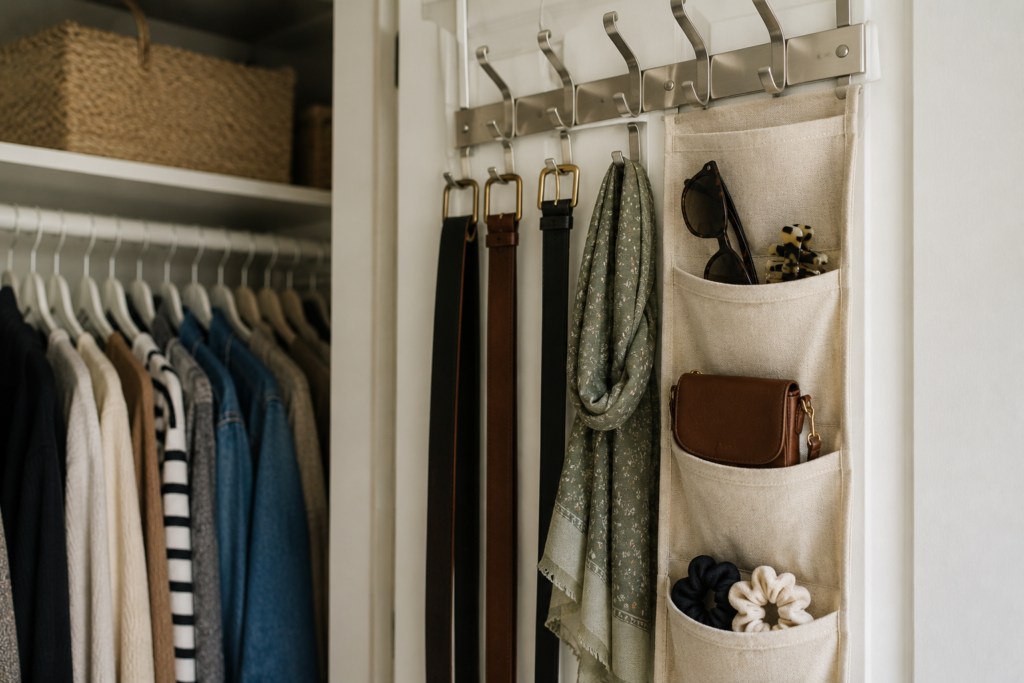
The back of your closet door represents valuable untapped real estate in small closet organization. This vertical surface can accommodate a surprising amount of storage without taking up any interior closet space.
Over-the-door organizers come in various configurations beyond just shoe storage. Consider over-the-door hooks for robes, tomorrow’s outfit, or bags. Multi-pocket fabric organizers can hold scarves, small accessories, cleaning supplies, or laundry essentials. These organizers typically hang on hooks that fit over the top of the door and require no installation.
For a more permanent solution, install adhesive hooks or a mounted rack directly on the door surface. Modern adhesive hooks are remarkably strong and can hold several pounds without damaging walls or doors. Use these for hanging frequently worn items, belts, or small bags.
One clever strategy is creating a small accessory station on your closet door with several hooks at different heights. This becomes your landing zone for the jewelry, watch, and belt you remove each evening and the staging area for pieces you’ll wear tomorrow.
Be mindful not to overload your closet door, as too much weight can stress the hinges or prevent the door from closing properly. Stick to lightweight items or those you access daily, and ensure any over-the-door organizer is slim enough that the door closes completely.
Maintain the System
Creating an organized small closet in one afternoon is an achievement, but maintaining that organization is where the real challenge lies. The good news is that with a few simple habits, your newly organized closet will stay functional with minimal ongoing effort.
Implement the “one in, one out” rule: every time you bring a new clothing item into your closet, remove one item to donate or discard. This prevents accumulation and ensures your closet never exceeds its capacity. This principle keeps your wardrobe curated and your closet manageable.
Establish a daily habit of returning items to their designated spots immediately after use. When you remove a shirt from a hanger, put the empty hanger back on the rod right away rather than tossing it aside. When you take off shoes, place them in their assigned spot rather than leaving them on the floor. These micro-habits take seconds but prevent clutter from accumulating.
Schedule a quick 10-minute closet refresh every month. During this brief session, straighten stacks, reorganize anything that’s gotten out of place, and remove any items you haven’t worn. This regular maintenance prevents small messes from becoming overwhelming projects.
At the change of each season, spend 30 minutes rotating your clothing. Move out-of-season items to less accessible areas and bring current-season clothes to prime locations. This is also an excellent time to reassess whether items still serve you or should be donated.
If you live with others who share the closet, make sure everyone understands the organization system and their role in maintaining it. Take photos of your newly organized closet to serve as a reference point for how things should look.
Frequently Asked Questions
How do I start organizing a small closet if I feel overwhelmed?
Start with just one small section rather than tackling everything at once. Set a timer for 15 minutes and focus solely on sorting one category, like t-shirts or shoes. This makes the project feel manageable and builds momentum. Remember that progress, not perfection, is the goal. Taking before photos can also help you see your progress and stay motivated throughout the afternoon.
What are the best space-saving hangers for a small closet?
Slim velvet hangers are the gold standard for small closet organization. They’re about half the thickness of traditional plastic hangers, immediately freeing up significant rod space. The velvet coating prevents clothes from slipping off, and they work well for everything from tank tops to coats. A 50-pack typically costs around $20, making them an affordable investment that dramatically increases your hanging capacity.
How can I store seasonal clothes in a tiny closet?
Use vacuum-sealed storage bags to compress bulky seasonal items like winter coats and sweaters, then store these on your closet’s highest shelf or under your bed. Alternatively, designate one section of your double-hang system for off-season clothing, placing these items on the less accessible upper rod. Rotating your wardrobe seasonally ensures your most-used items occupy prime closet real estate while out-of-season pieces stay organized but out of the way.
What should I do with clothes I’m not sure about keeping?
Create a “maybe” box for items you’re uncertain about. Place these questionable pieces in a labeled box with today’s date and store it somewhere outside your closet. If you haven’t needed or thought about anything in that box within three months, donate the entire box without reopening it. This approach removes the mental burden of decision-making while giving you confidence that you’re not letting go of anything you truly need.
Is it better to fold or hang clothes in a small closet?
The answer depends on the specific item and your available space. Hang items that wrinkle easily (dress shirts, blouses, dresses, pants with creases) and fold items that are heavy or stretch out on hangers (sweaters, t-shirts, jeans). In a very small closet with limited rod space, consider folding more items using the vertical filing method, which allows you to store them efficiently on shelves while keeping everything visible. The goal is balancing garment care with space efficiency.
Conclusion
Transforming a small closet from chaotic to organized in just one afternoon is entirely achievable with the right approach and tools. By focusing on actionable strategies like double hanging rods, shelf dividers, and door storage, you can maximize every inch of available space without breaking the bank. The key is combining smart organization products with a minimalist mindset that keeps only what you truly need and use.
Remember that small closet organization isn’t about finding room for everything you own—it’s about creating a functional system for the items that deserve space in your life. With your afternoon investment of time and under $100 in supplies, you now have a closet that serves you efficiently, reduces daily stress, and makes getting dressed a pleasure rather than a frustration. Maintain your new system with simple daily habits and seasonal refreshes, and you’ll enjoy an organized closet for years to come.