You’re standing at your window, watching another bland corner of your yard do absolutely nothing—no movement, no color, just green. What if that space could transform into a living butterfly sanctuary, all while giving you the privacy screen you’ve been craving? Enter the rose of sharon, a showstopping flowering shrub that does double duty as both a pollinator magnet and a lush, natural fence.
Rose of sharon (Hibiscus syriacus) isn’t your average garden shrub. This deciduous beauty blooms later in the season—typically from mid-summer through early fall—when many other flowering plants have already called it quits. That extended bloom time means butterflies, bees, and hummingbirds get a reliable nectar source right when they need it most. The flowers come in shades of white, pink, lavender, red, and bicolor combinations, each bloom lasting just a day but replaced continuously by fresh ones throughout the season.
What makes this shrub particularly appealing for homeowners is its impressive height potential. Rose of sharon can reach 8 to 12 feet tall and spread 6 to 10 feet wide, creating an effective privacy screen without the maintenance headaches of traditional fencing. The upright, vase-shaped growth habit fills vertical space beautifully, and because it leafs out late in spring, you can enjoy early bulbs planted beneath it before the canopy fills in.
Why Rose of Sharon Attracts Butterflies
The butterfly connection runs deeper than just pretty petals. According to the North American Butterfly Association, rose of sharon supports multiple butterfly species including swallowtails, painted ladies, and fritillaries. These pollinators are drawn to the large, open flower structure that makes nectar easily accessible. Unlike tubular flowers that require specific proboscis lengths, the flat, hibiscus-style blooms welcome a diverse range of beneficial insects.
Best Growing Conditions for Rose of Sharon
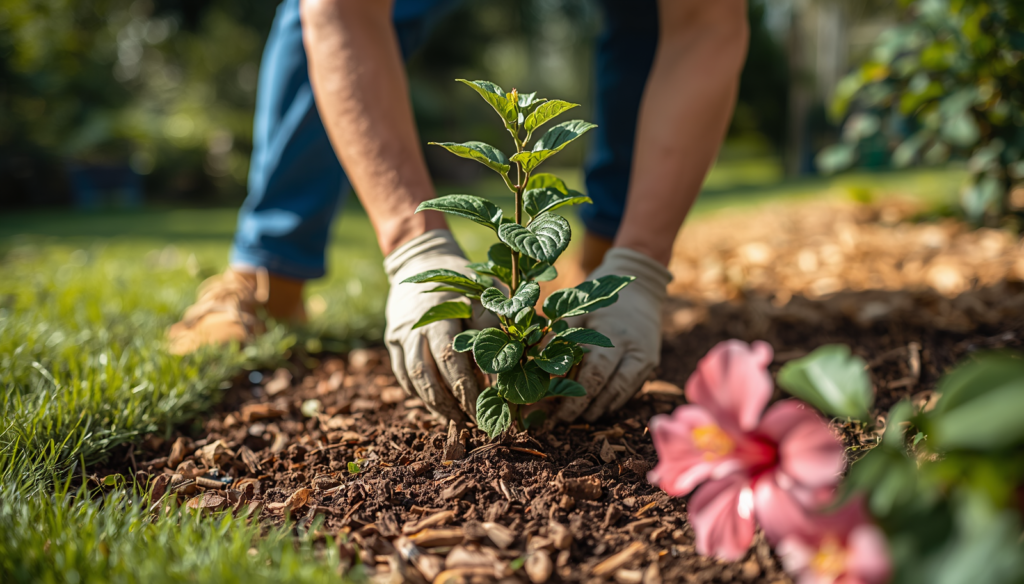
Planting rose of sharon successfully starts with understanding your soil and climate. This shrub thrives in USDA hardiness zones 5 through 9, tolerating both humid summers and cold winters. It prefers full sun—at least six hours daily—but can handle partial shade, though flowering may be reduced. Soil-wise, rose of sharon is remarkably adaptable, growing well in clay, loam, or sandy soils as long as drainage is adequate. Avoid waterlogged areas, as standing water can lead to root rot.
Timing your planting makes a real difference. Spring planting after the last frost gives roots time to establish before summer heat arrives, while fall planting works in milder climates where the ground doesn’t freeze until late November. Dig a hole twice as wide as the root ball but no deeper—you want the top of the root ball level with the surrounding soil. Backfill with native soil rather than amended potting mix; forcing the roots to adapt to native conditions from the start creates stronger, more resilient plants.
Rose of Sharon Watering and Pruning Tips
Watering needs shift dramatically after establishment. Newly planted rose of sharon requires consistent moisture—about an inch per week—for the first growing season. Once established, typically after one full year, the shrub becomes drought-tolerant and only needs supplemental water during extended dry spells. Overwatering mature plants actually causes more problems than underwatering, leading to weak growth and increased susceptibility to fungal diseases.
Pruning rose of sharon might feel intimidating, but it’s actually one of the more forgiving shrubs when it comes to shaping. Because it blooms on new wood—growth produced during the current season—you can prune heavily in late winter or early spring without sacrificing flowers. Remove dead, damaged, or crossing branches first, then shape the overall form by cutting back up to one-third of the plant’s height if needed. This aggressive pruning encourages bushier growth and more abundant blooms.
Common Rose of Sharon Problems
One aspect that deserves honest discussion is the rose of sharon invasive potential in certain regions. The shrub produces copious seeds that germinate readily, leading to volunteer seedlings popping up throughout your garden and beyond. In states such as Illinois and parts of the Mid-Atlantic, it’s considered invasive. The solution? Choose newer sterile or near-sterile cultivars such as ‘Azurri Blue Satin’ or ‘Lil’ Kim,’ which produce few to no seeds while maintaining all the ornamental and pollinator benefits.
Pest and disease management for rose of sharon centers on a few recurring issues. Japanese beetles find the flowers irresistible, often skeletonizing blooms and leaves in heavy infestations. Handpicking beetles in early morning when they’re sluggish works for small plantings, while neem oil applications provide organic control for larger areas. Aphids occasionally cluster on tender new growth, but a strong spray from the garden hose usually dislodges them before populations explode.
Fungal diseases such as leaf spot and powdery mildew appear during humid conditions, particularly when air circulation is poor. Space plants adequately—at least 6 feet apart—to promote airflow, and avoid overhead watering that leaves foliage wet overnight. If fungal issues persist, remove affected leaves promptly and consider applying an organic fungicide containing sulfur or copper as a preventative measure during vulnerable periods.
Best Companion Plants for Rose of Sharon
Companion planting amplifies the butterfly-friendly benefits of rose of sharon while creating a more dynamic landscape. Pair it with perennials that bloom at different times to extend nectar availability throughout the growing season. Early bloomers such as catmint and salvia provide spring nectar, while fall-flowering sedums and asters keep butterflies fed as temperatures cool. Low-growing plants such as creeping thyme or sweet alyssum fill the ground layer, creating habitat for beneficial ground beetles that prey on garden pests.
If you’re looking to explore related ways to enhance your outdoor space, consider incorporating creative DIY elements that make your garden more interactive for the whole family. Butterfly gardens naturally inspire curiosity, especially in children who can observe the complete lifecycle from caterpillar to chrysalis to adult butterfly.
The ecological value of rose of sharon extends beyond butterfly attraction. According to conservation experts at the Xerces Society for Invertebrate Conservation, providing consistent nectar sources in residential landscapes creates crucial corridors for pollinators navigating increasingly fragmented habitats. Your single shrub contributes to a larger network of resources that supports declining pollinator populations.
Creating a detailed care schedule helps maintain rose of sharon’s health year-round. In early spring, apply a 2- to 3-inch layer of organic mulch around the base, keeping it several inches away from the trunk to prevent moisture-related diseases. A balanced, slow-release fertilizer applied in spring provides nutrients for the growing season, though established plants often thrive without supplemental feeding in reasonably fertile soil. Mid-summer brings peak bloom time—deadhead spent flowers if you want to prevent self-seeding, though this isn’t necessary for flower production.
As fall approaches, reduce watering frequency to help the plant harden off before winter. Leave seed heads intact if you want to provide food for overwintering birds such as finches and chickadees. In late winter, before new growth emerges, complete any structural pruning and remove mulch temporarily to allow the soil surface to warm and dry, discouraging fungal spores and overwintering pests.
Best Rose of Sharon Varieties for Butterflies
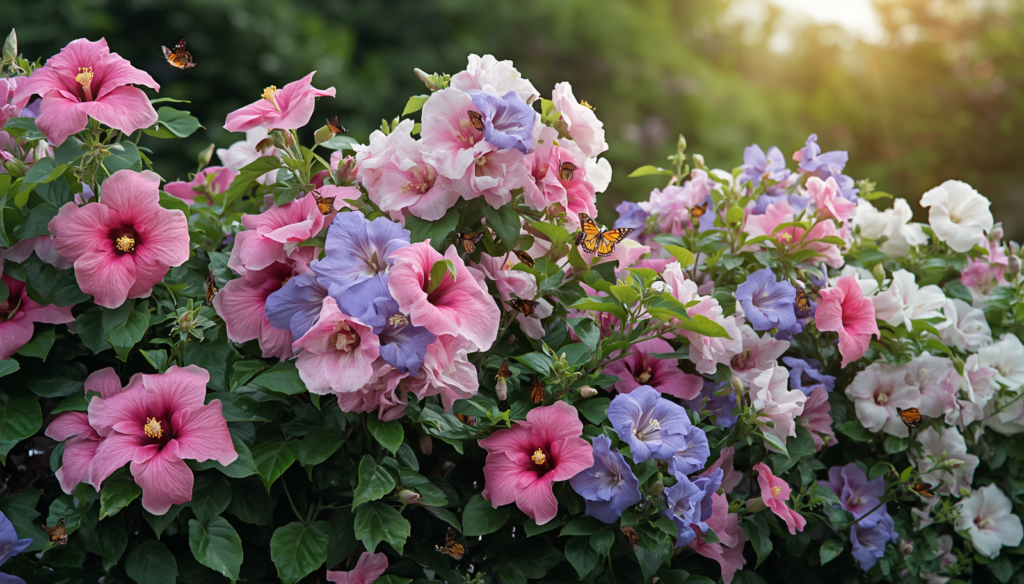
Variety selection can dramatically impact your garden’s aesthetic and maintenance needs. ‘Blue Chiffon’ produces double, ruffled blooms in a true blue-violet shade rarely seen in flowering shrubs. ‘Minerva’ offers large lavender-pink flowers with dramatic red centers and shows good resistance to common diseases.
For smaller spaces, the compact ‘Lil’ Kim’ series maxes out at just 3 to 4 feet tall, perfect for foundation plantings or mixed borders. According to horticultural experts, choosing disease-resistant cultivars reduces maintenance time significantly while ensuring consistent performance.
Rose of Sharon vs Butterfly Bush
Comparing rose of sharon to other butterfly-attracting shrubs helps clarify where it excels. Traditional butterfly bushes (Buddleia) bloom prolifically but can become invasive in many regions and often die back significantly in cold winters. Rose of sharon offers similar pollinator appeal with better cold hardiness and a more substantial, year-round structure. Lilacs provide spring flowers and fragrance but finish blooming by early summer, leaving a gap that rose of sharon fills perfectly with its late-season performance.
Landscape Design Ideas With Rose of Sharon

The ornamental landscape design potential of rose of sharon is often underutilized. Rather than planting a single specimen, consider creating a mixed hedge using different cultivars for a tapestry of colors throughout late summer. Alternating rose of sharon with evergreen shrubs such as boxwood or holly creates year-round privacy while maintaining seasonal visual interest. The upright form also makes it suitable for training as a small single-trunk tree, an option that works beautifully in courtyard gardens or as a focal point near patios.
Much like thoughtful planning transforms a garden, intentional design choices elevate any space in your home. The same principles of color coordination, texture contrast, and functional beauty apply whether you’re arranging furniture or positioning flowering shrubs.
Regional considerations affect rose of sharon performance more than many gardeners realize. In hot, humid climates such as the Deep South, afternoon shade helps prevent stress and extends bloom freshness. Northern gardeners should choose cold-hardy cultivars and provide winter mulch for the first few years until roots are well-established. Western gardeners in low-humidity areas may find rose of sharon needs more consistent irrigation than advertised, particularly when planted in full sun with reflected heat from hardscaping.
How Rose of Sharon Supports Butterfly Lifecycles
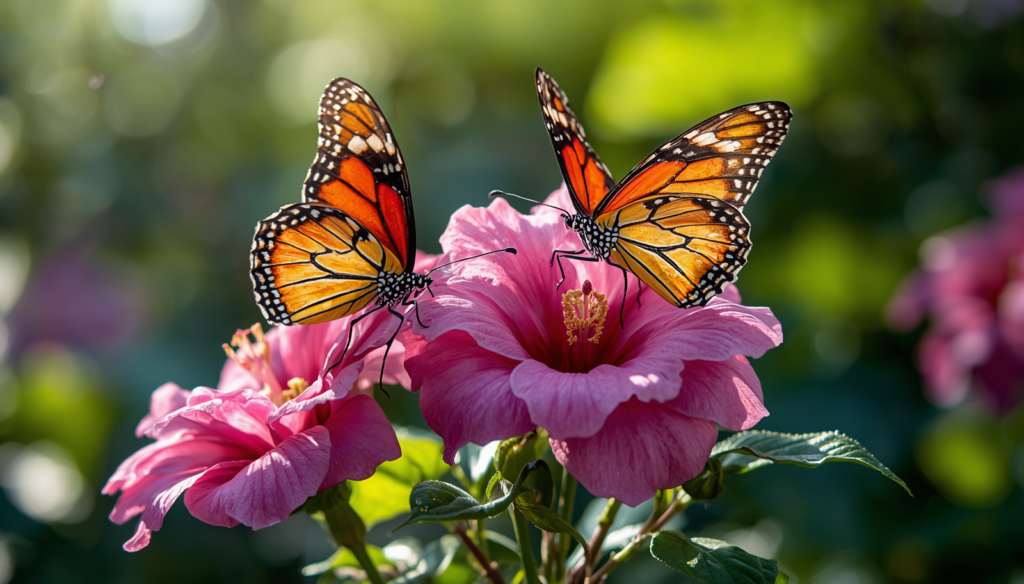
The butterfly lifecycle relationship with rose of sharon creates opportunities for deeper ecological engagement. While adult butterflies visit for nectar, rose of sharon isn’t typically a host plant for caterpillars—most butterfly species require specific native plants for egg-laying and larval development. Complement your rose of sharon with native host plants such as milkweed for monarchs, parsley for swallowtails, or violets for fritillaries to support complete butterfly lifecycles rather than just providing adult food sources.
Growing Rose of Sharon in Containers
Container growing works surprisingly well for rose of sharon, particularly dwarf cultivars. Choose a pot at least 18 inches in diameter with drainage holes, and use a high-quality potting mix rather than garden soil.
Container plants dry out faster and require more frequent watering—check soil moisture every few days during active growth. Fertilize monthly during the growing season with a water-soluble fertilizer at half strength. Overwinter containers in an unheated garage or protect roots with insulation if left outdoors in cold climates.
Soil amendments rarely benefit rose of sharon unless your soil is severely depleted or extremely pH-imbalanced. This shrub tolerates a wide pH range from slightly acidic to slightly alkaline (5.5 to 7.5), making it adaptable to most garden conditions. If a soil test reveals significant deficiencies, incorporate compost at planting time rather than chemical amendments. Compost improves soil structure, adds trace nutrients, and supports beneficial soil microorganisms that help plants access existing nutrients more efficiently.
Seasonal planting advice varies by climate zone. Zones 5 and 6 gardeners should plant in spring to maximize establishment time before winter. Zones 7 and 8 can plant in either spring or fall, with fall offering the advantage of cooler temperatures and typically more reliable rainfall. Zone 9 gardeners actually find fall planting preferable, as it avoids subjecting new plants to intense summer heat before roots have spread.
Final Thoughts
Rose of sharon offers an unbeatable combination of late-season color, pollinator support, and practical screening in a package that adapts to varied conditions with minimal fuss. By choosing the right cultivar for your region, providing proper initial care, and maintaining realistic expectations about its vigorous self-seeding habit, you’ll create a garden feature that delivers beauty and ecological benefits for years to come. Your yard doesn’t have to stay static—with one well-placed shrub, you can invite an ever-changing display of winged visitors while carving out the private outdoor retreat you’ve been dreaming about.
Have you ever grown rose of sharon in your garden? Share your favorite variety or butterfly visitors in the comments below.
